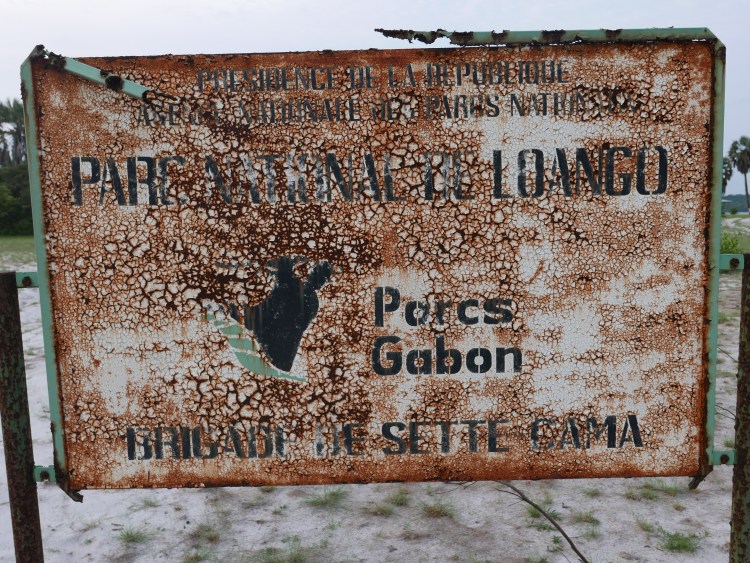
Sette Cama was first discovered, like a lot of other places along the Gabonese and African coast, by the Portuguese in the late 15th century. The name means “Seven Graves”. Allegedly, a Portuguese ship sunk in front of what is today the village of Sette Cama; seven bodies were found and buried there. No one will ever know if this fine story is true or not.
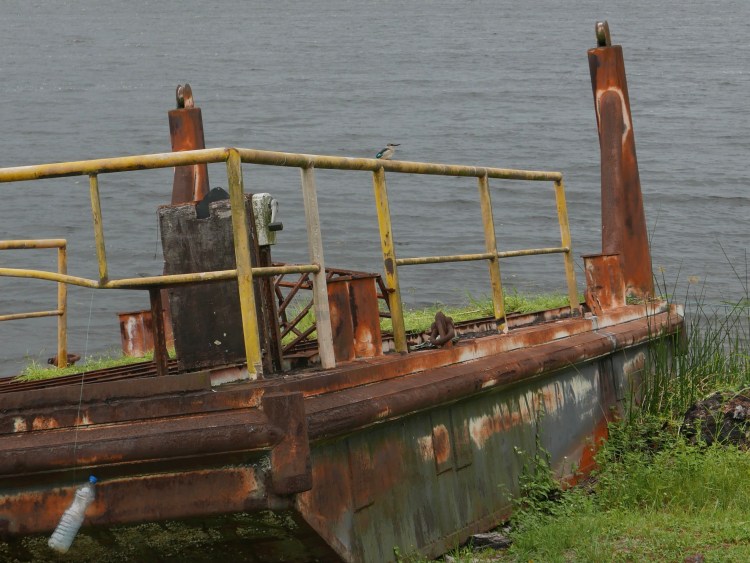
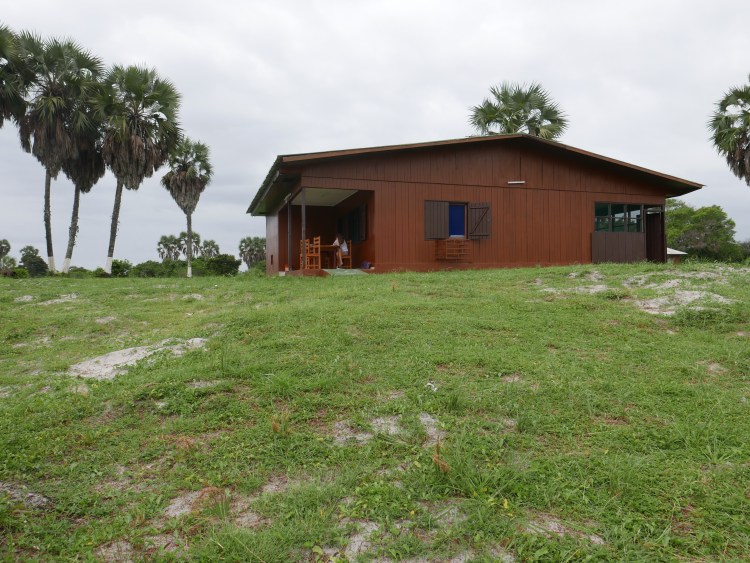
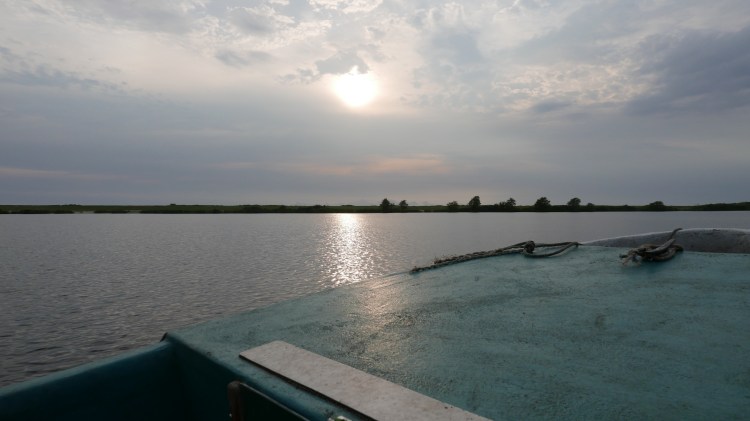
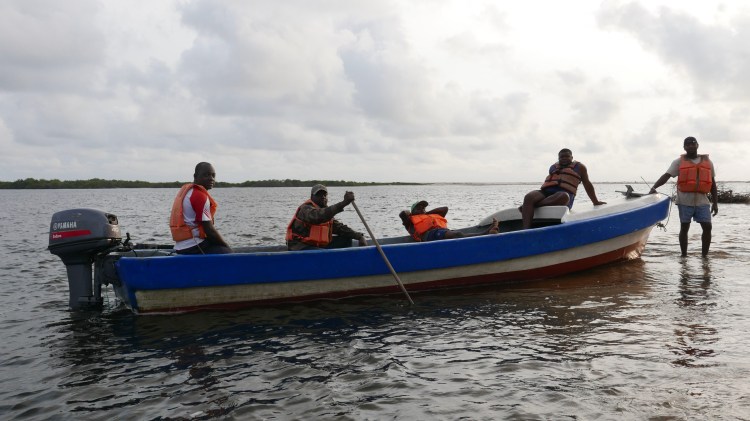
From Gamba, we reach Sette Cama by motorboat. It’s a scenic ride through the mighty Ndogo lagoon, a 50-km long and 20-km wide maze of water, mangrove, and tiny green islands. As we are disembarking, we are so happy to think that we are momentarily done with traveling and that we are going to spend four days and four nights in the same place. The place in question is one of the wooden houses that make the base of the local ANPN (National Agency of National Parks) brigade. Once again, it’s strictly no-frills: we take showers with buckets of water from the lagoon, and the electricity generator works only at night. But the camp feels peaceful, our terrace faces the lagoon, a beautiful grey blue-collared kingfisher is posted on the rusty remains of a barge from colonial times, and it seems like we have once again succeeded in completely escaping civilisation for a little while.
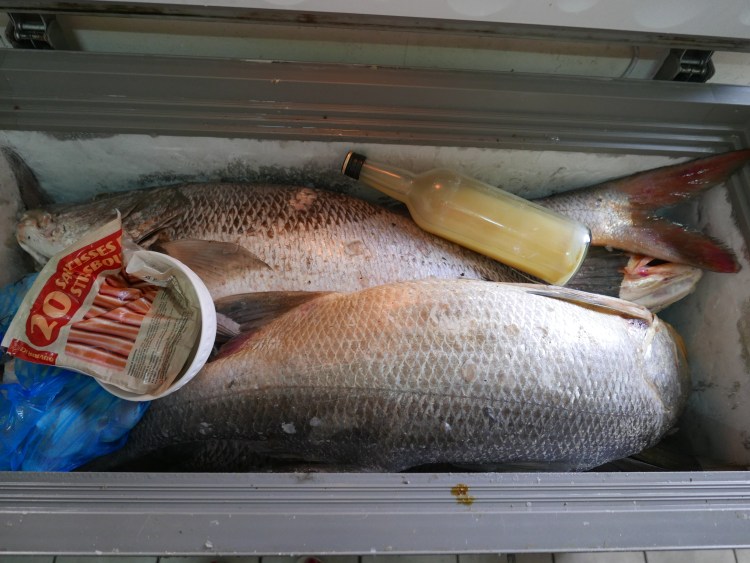
Opening out of curiosity the freezer in our kitchen, we find in it two gigantic fish that could provide a fine meal to 30 people. The eco guards explain us that the day before they caught local fishermen who had largely exceeded the quotas allowed in the lagoon, and that in such cases they have to confiscate the scaled booty as a proof of misdemeanour. We are here at the Southern tip of the Loango National park (we were in the Northern part back in February) and fauna protection is taken seriously here. The biggest part of the eco guards’ job is to patrol the waters and track down illegal fish nets and their owners. They have limited means for that – their main boat is the one that we are renting for these 4 days – and the lagoon offers hundreds of hidden fishing spots. Nevertheless, they look dedicated to their mission and they distribute hefty fines on a regular basis. Thanks to them, the rules that apply in the lagoon are clearly known to the Gamba fishing community, and the concept of sustainable fishing is slowly getting understood. We ask them what they will eventually do with the fish in our freezer. They tell us that in such cases they eventually give it to the villagers so that it does not get lost – now they’d better hurry, cause the freezer is off the grid for half of the day!
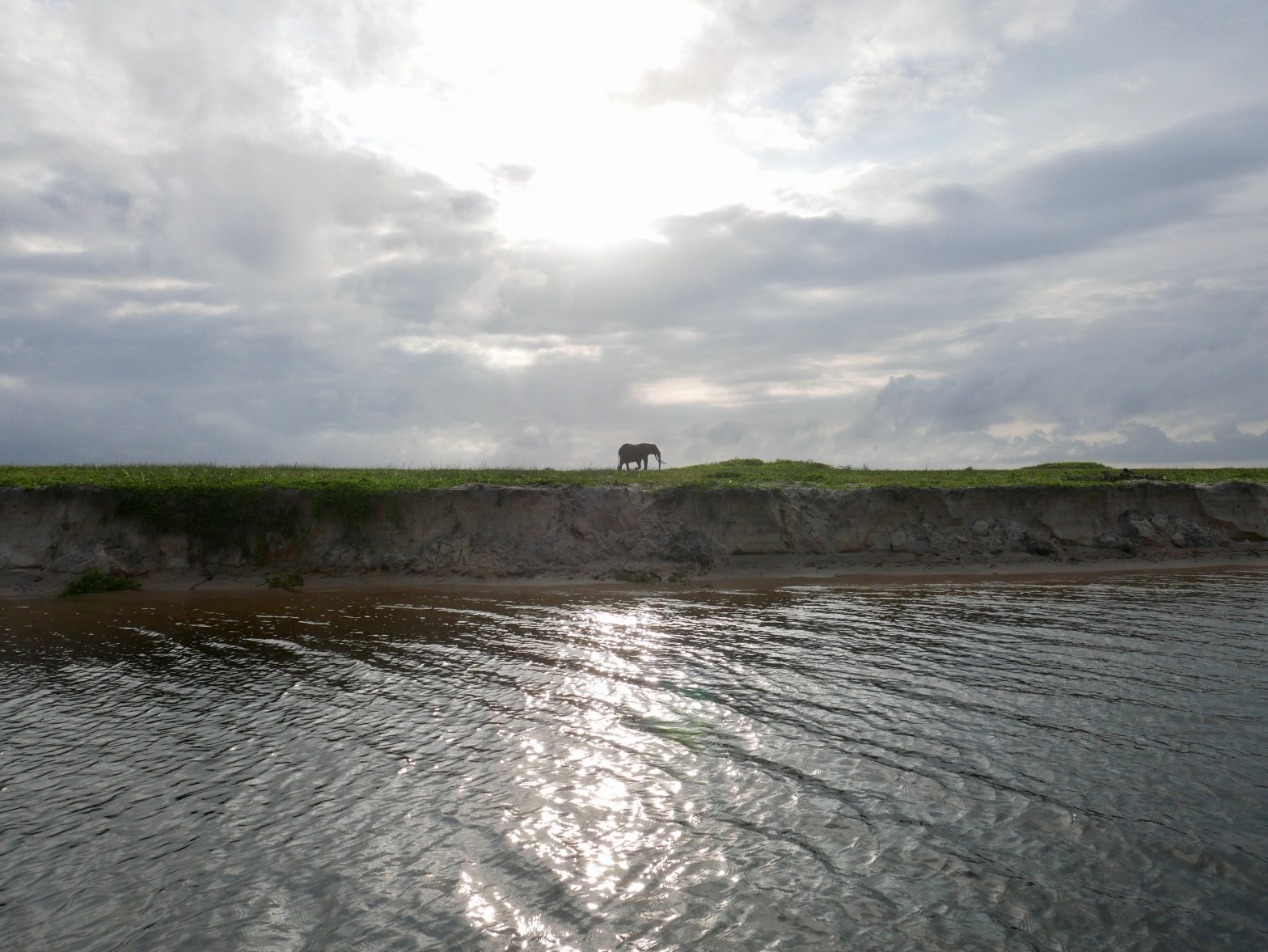
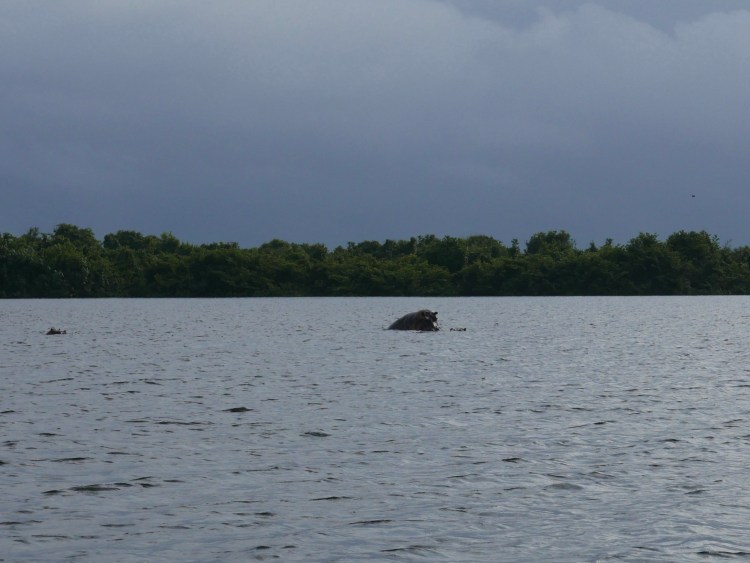
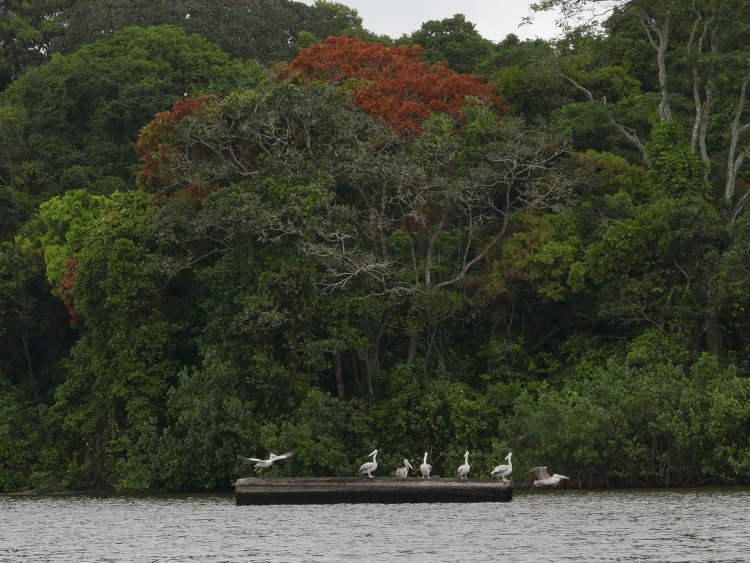
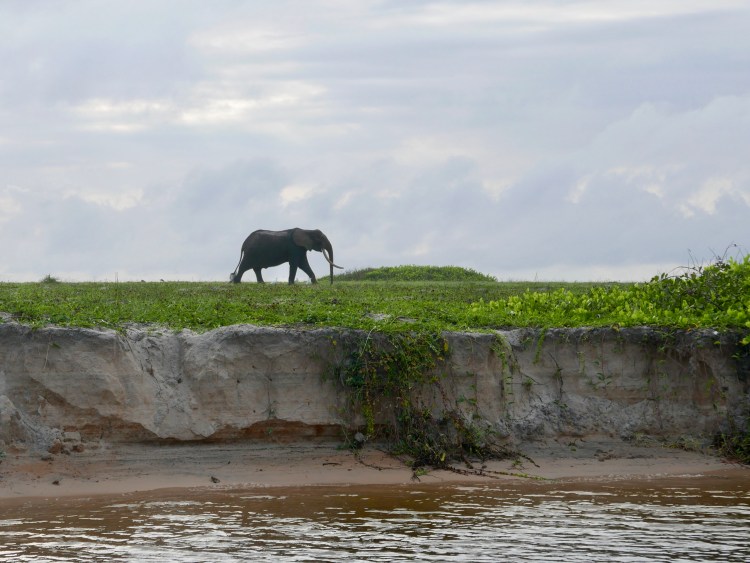
Sette Cama and the ANPN camp are located on a long and narrow stretch of land between the ocean and the lagoon. Around the camp we have forest and sand, and towards the end of the stretch mostly bushes and sand. On our first boat trip, we meet a couple of hippos quietly wading in the middle of the lagoon. They are regulars here, and it turns out we will see them everyday during our stay, never too far from a happy batch of pelicans. Meanwhile on land, an elephant shows up between us and the setting sun.
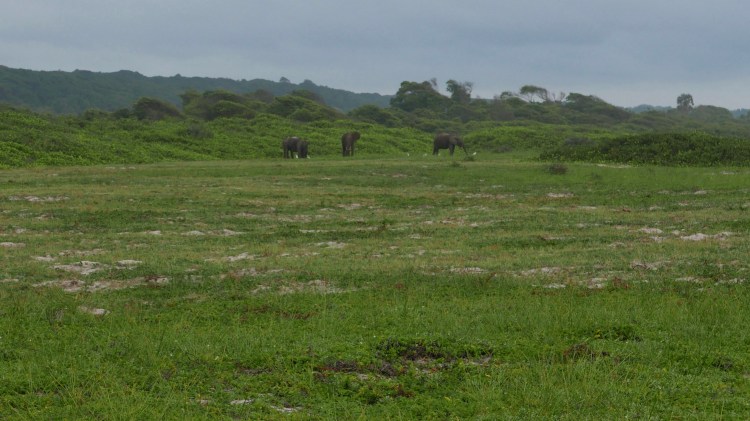
From then on, our time in Sette Cama is all awe, wonder and liters of sweat. With our loyal friend Yannick and the local legend Kassa, we hike every day in the equatorial forest, our feet often looking for roots to step on so they don’t sink in the mud.
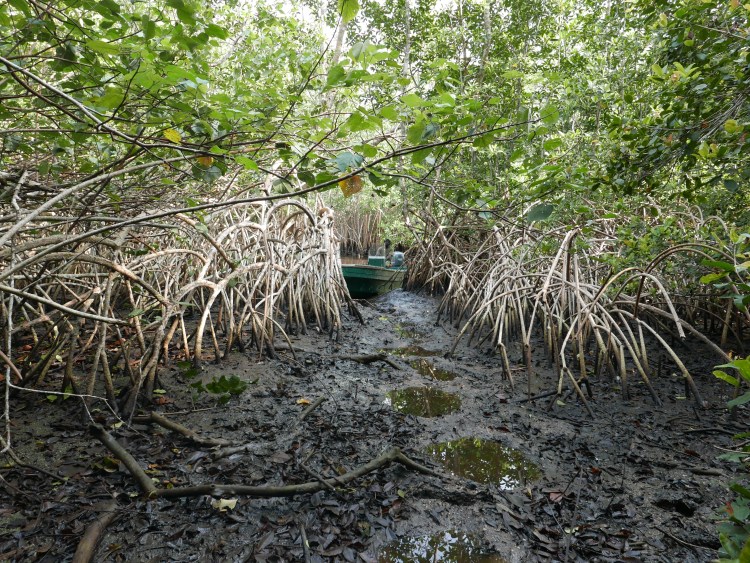
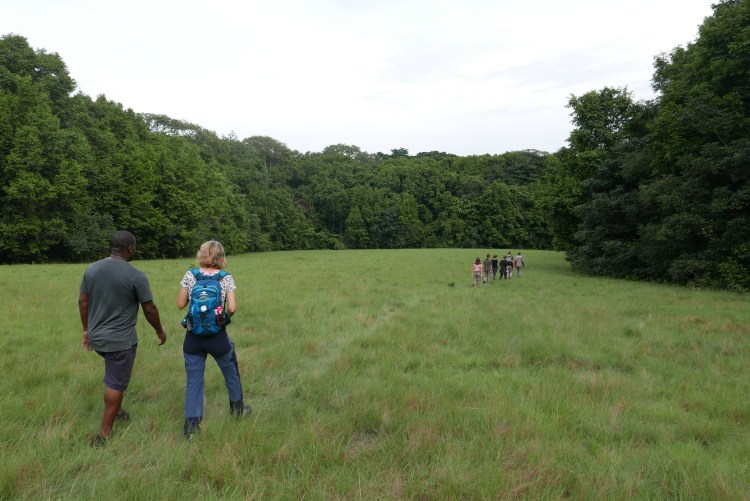
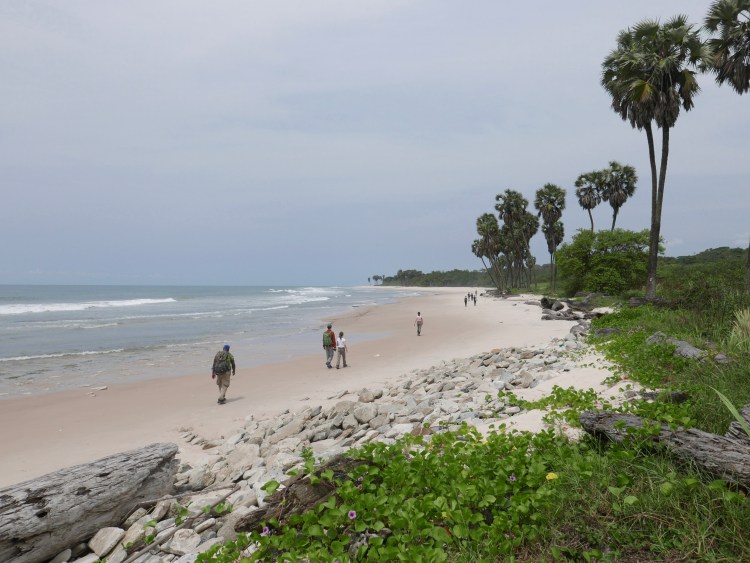
At times, savanna areas give us a welcome respite from the slightly oppressing forest. On our longest hike, we find salvation at midday on a pristine beach, making us feel like discoverers of the New World.
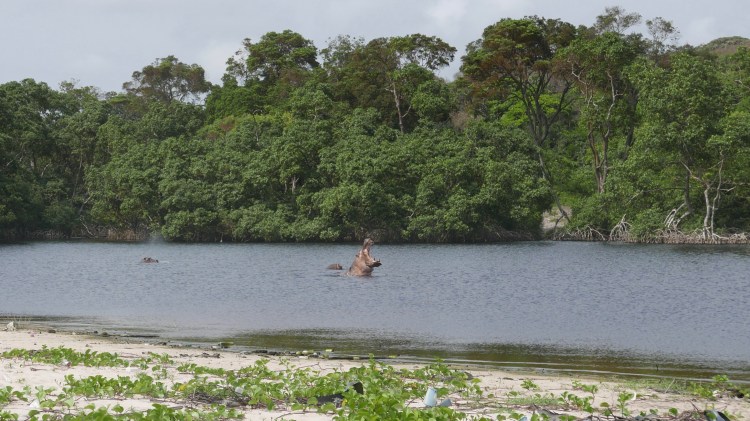
There, we spend time observing a group of hippos in a small lagoon – as members of the Gabonese-only “surfing hippos society”, they go bathing into the sea when they feel their life needs a bit of adrenaline.
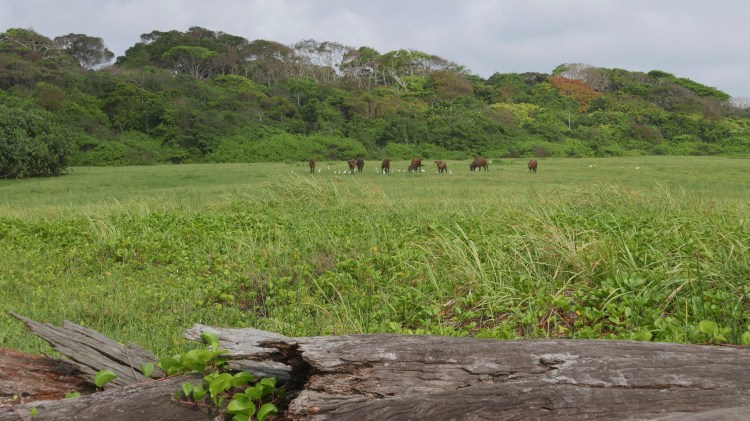
On our way back to the camp, walking along the beach, we meet a herd of wild buffalos and a couple of sitatungas, those cute little antelopes of central Africa. Later at night, Kassa takes us crocodile spotting. From the speeding motor boat, he scans the banks of the lagoon with his headlamp. And sure enough, after 4 minutes, and from a 100 meters away, he has already seen a dwarf (but not that small at all) croc, which stays perfectly immobile as we approach to observe him from close. As we are getting to know the “little Loango” a bit more each day, we realise that amongst all places we have visited so far in Gabon, this is where wildlife – big and small – is the most abundant and the easiest to approach.
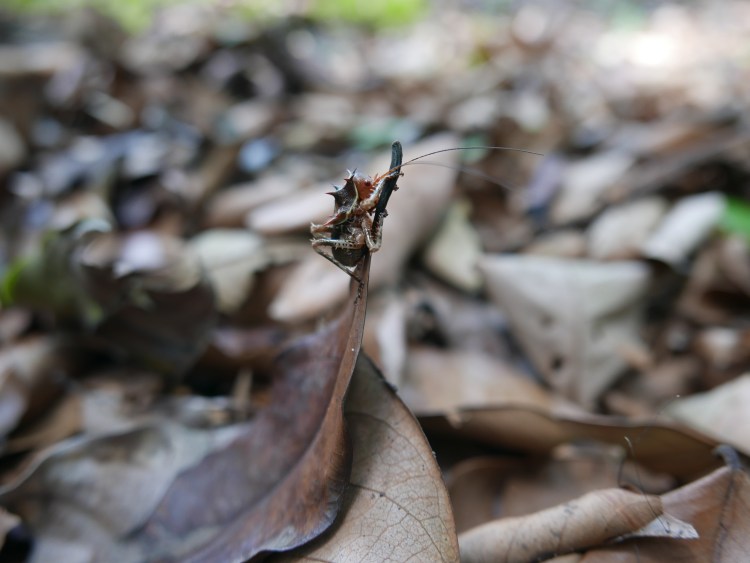
At the end of the land stretch of Sette Cama, the lagoon finally meet the ocean, forming an estuary. At low tide, both side are separated by a shoal, but at high tide the waters hit each other and mix in loud waves, it gets all foamy and whirly, and chockfull of essential nutriments for the fish. This particular spot has been for decades a Mecca for fishermen from all around the world. Until a few years ago, people were coming all the way from Europe, Japan or the USA just to fish here for a few days. Since then, Gamba has lost its plane connection with Libreville due to the oil crisis, and became even more isolated since the Covid crisis hit. As a result, there are only a handful of fishermen around here at the time of our visit, and they are expats living in Libreville. As they talk while preparing their gear about what they fish here and how they fish it, their voice seems to speak to some invisible person beyond us and a mad gleam shines from the bottom of their eyes – they look like possessed Radiohead fans a few hours before the show. This makes us very curious, and we join them on the bank sand one evening at dusk – when the fish start to come out. We watch them, both feet solidly anchored in the sand and water at knee level, throwing their lure far away in the foam one time, two times, twenty times, tirelessly, until the line suddenly tenses itself. That is when the battle begins, and it can take time to bring the fish out of the water. This is “catch and release” fishing, meaning you must return the fish to the water in the end. Tarpon, barracudas, whitefin jack, giant African threadfin, crevalle jack… some of them can weigh up to 90 kilos, so you can be sure to sleep well after an entire fishing night. And you have stories to tell later, like when 3-meter bulldog sharks come out to check from close what you are doing here. Still, once we have understood how it works, and realised that the fish lose half of their mouth in the process, the show quickly loses interest for outsiders like us. These guys definitely live in a world of their own. But they are truly passionate – we respect that.
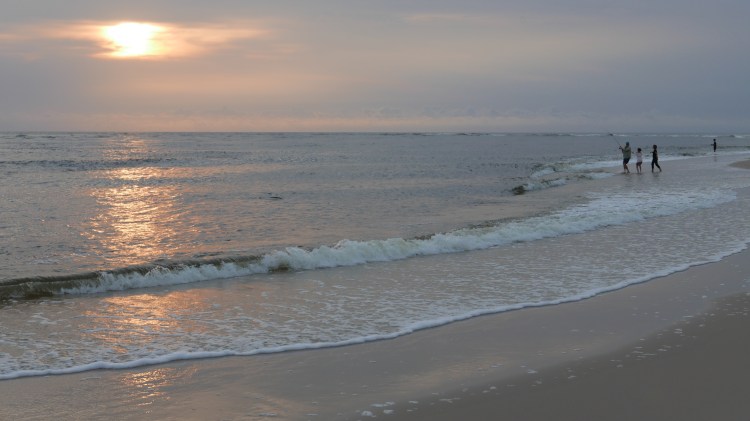
On our last day, in the forest just beside the ANPN camp, we meet with a group of 30 collared mangabeys, who have seen us coming from far. As we stop to watch, the main part of the group goes about their business of constantly playing and jumping all around (which makes them impossible to photograph), while the few guard monkeys are trying to scare us off by screaming their lungs out from high up in the trees – just listening to them is extremely entertaining. And with their bordeaux cap, they are really elegant animals.
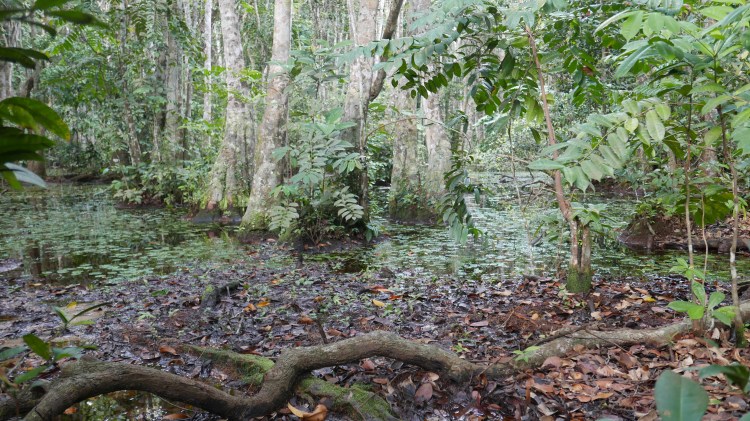
Later, as we are silently leaving the forest on a sand trail towards the sea, Kassa stops: 5 meters away, behind the bushes, an elephant is standing and eating. At this moment, all the elephant training that we have received throughout our expeditions in Gabon is paying off: each one of us manages to stay perfectly calm and kneels down in the sand, following Kassa’s gestured instructions. Time stops as we observe the peaceful giant. Then, as he finally sees us and runs away, the spell breaks.
 Tanad stories from Gabon
One thought on “in Seven Graves”