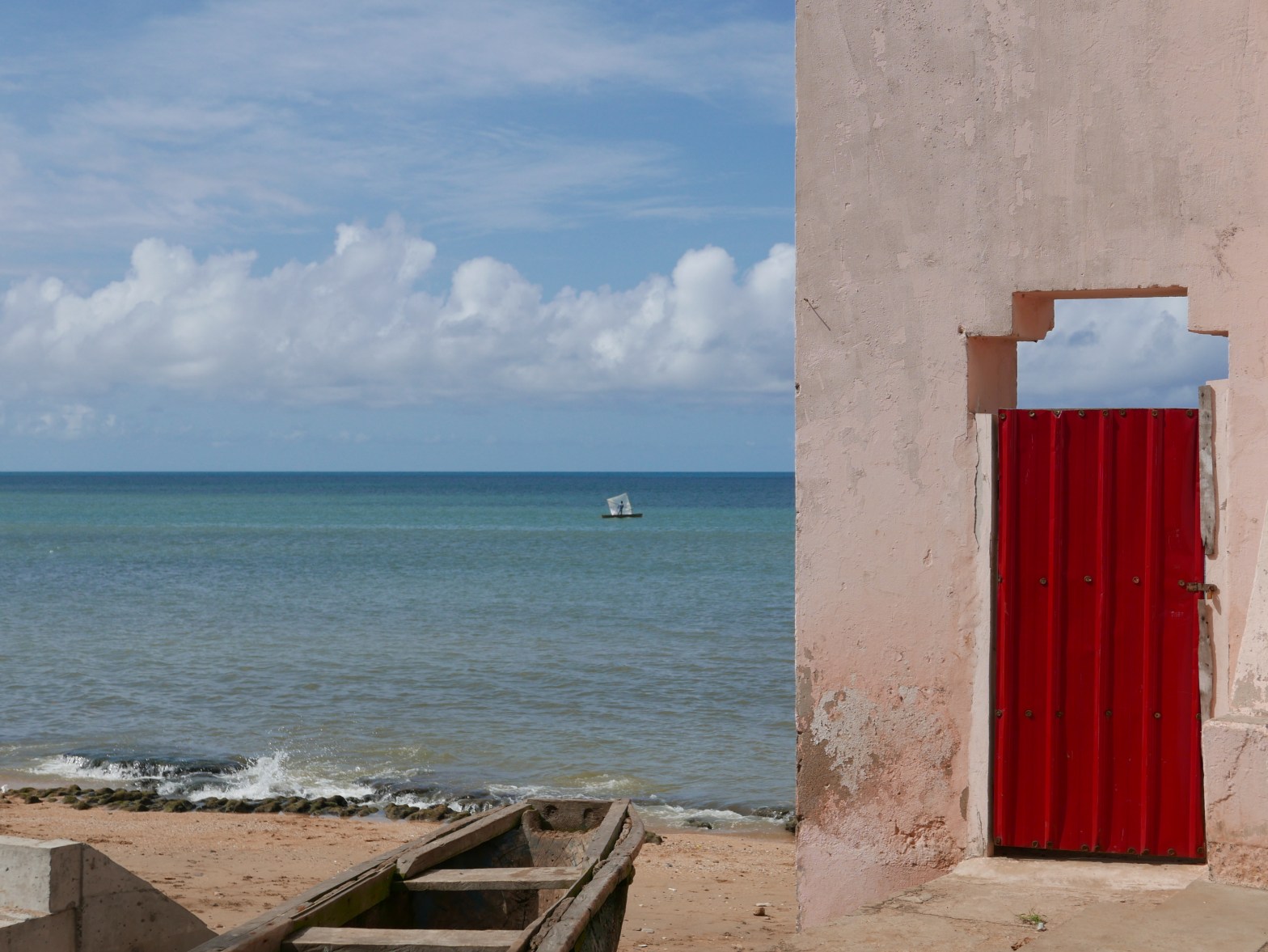
Before we moved to Libreville, we were not aware of the existence of a country called São Tomé and Principe, made of two tiny volcanic islands dropped in the middle of the Gulf of Guinea, lying some 250 km away from the Gabonese shore, right at the intersection of the Greenwich meridian and the equator. It’s not an excuse I know, but it is indeed the second smallest country in Africa (behind Seychelles), with a bit more than 200,000 inhabitants. As I did not have the same holiday dates as my three girls, I went there after Easter for a solo discovery one-week trip. São Tomé is a 45-min direct flight from Libreville in a toy-like plane, and a complete change of scenery from Gabon – except for the weather, which is just as hot, damp and rainy.
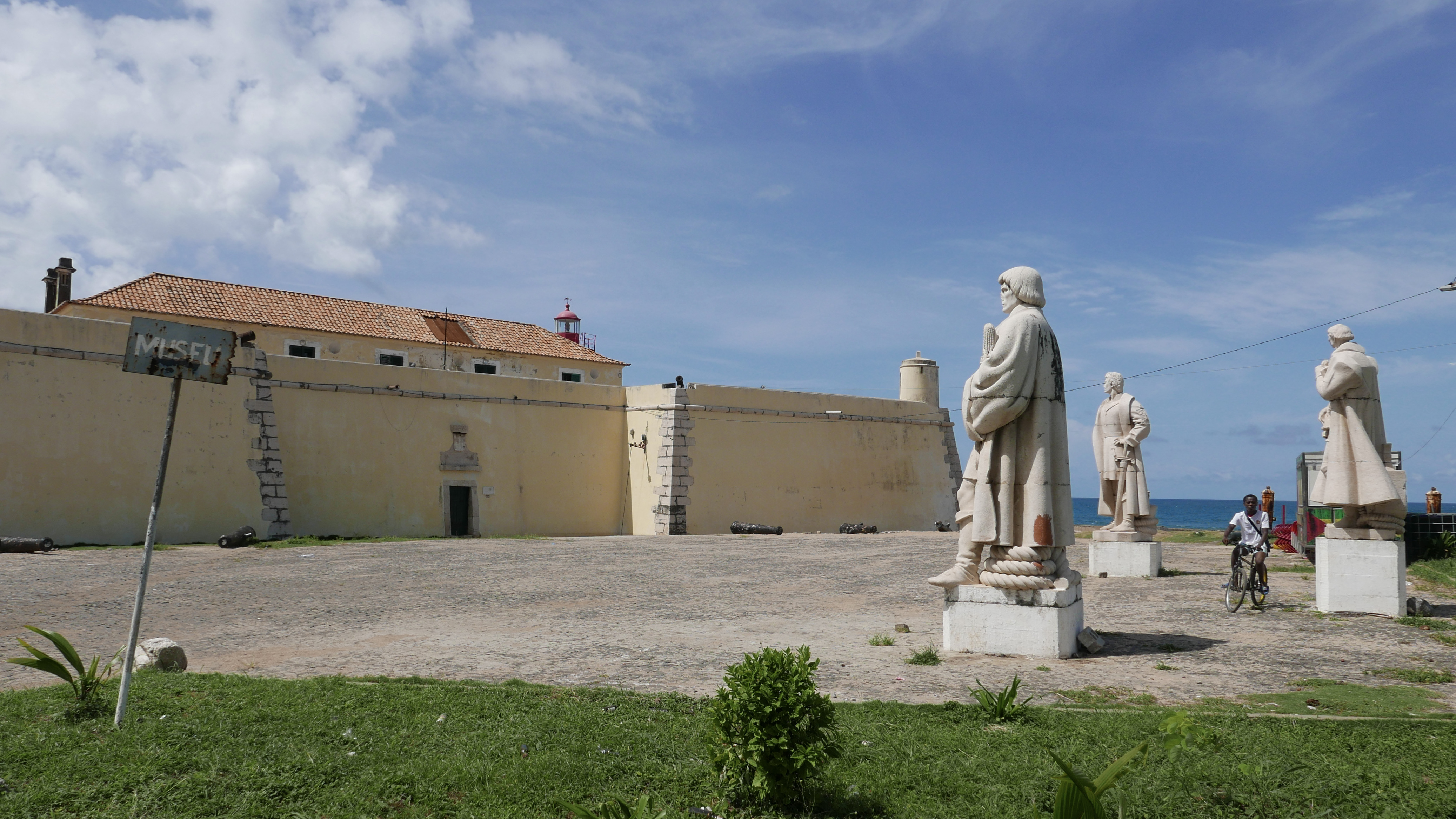
São Tomé remained uninhabited by humans until the Portuguese discovered it in 1470. Tiny populations of Portuguese, Jews and slaves from Angola made up the first settlements. The Dutch tried their luck in occupying it, and the French even briefly took control of the island of Principe in 1799. All kinds of dodgy traffickers, pirates, convicts and misfits from Europe showed up. The Portuguese kept a strong hand on both islands, which became a hub for the Portuguese slave trade, with slaves bought from what is today West Africa, Congo and Angola, and sold to Portugal, Brazil or the Caribbean. As a result, the population of the islands is very mixed today.
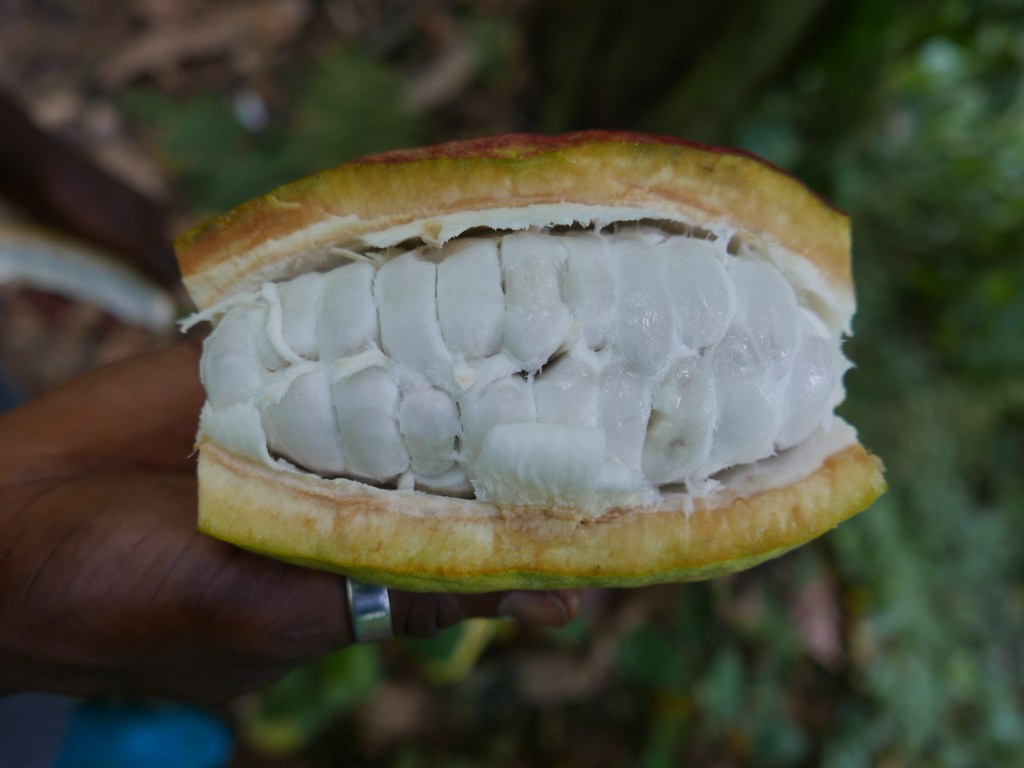
The settlers introduced coffee and cacao in the 19th century, which quickly became the main resources of the islands. Though slavery was officially abolished in 1875 by the Portuguese government, the working conditions in the plantations remained close to slavery for a long time, allowing São Tomé to become in 1913 the biggest cacao exporter in the world, which earned it the nickname of “chocolate island”. The two islands became an independent country in 1975. Since then, they have remained, for better or worse, isolated from global turmoil. In 2018, a record number of 33,400 tourists visited the country. In May 2021, there are no more than two weekly planes linking the island with Lisbon and one with Libreville, and none of them is full.
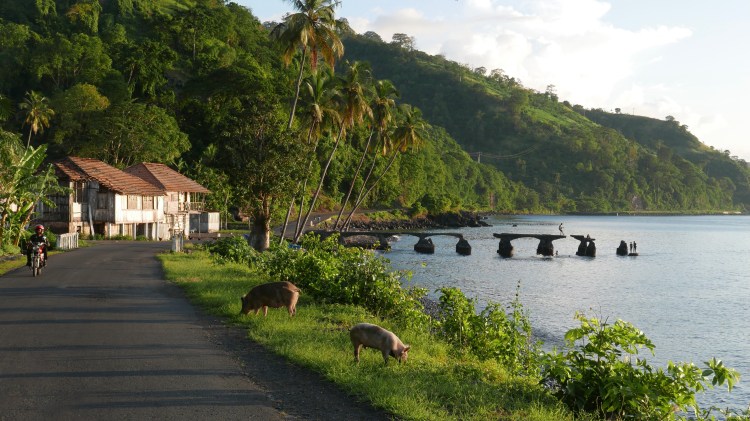
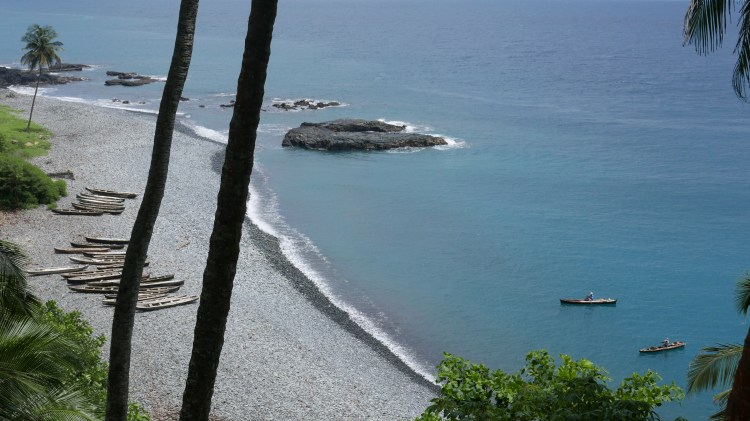
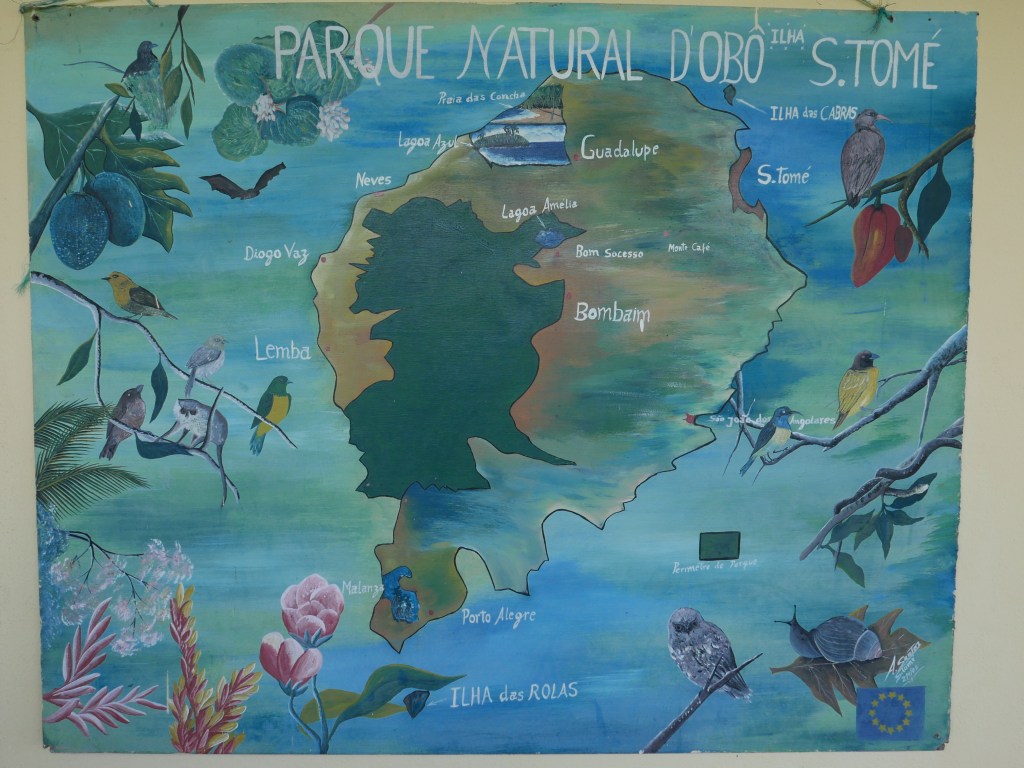
São Tomé offers gently spectacular and varied landscapes. In the North, baobabs stand on beaches and in the savannah. In the South, palm plantations stretch endlessly under sugar loaf-shaped rocky summits, and idyllic sand beaches await the traveller who made it to the very end of the road. The Obo national park covers a third of the island, in its centre and Southwest part: it hosts a lush and elephant-free rainforest, many endemic plants such as the giant begonia, endemic birds such as the Papa Figo, as well as plenty of small green or black snakes, a few monkeys and fascinating remnants of roads, bridges and bat-friendly water tunnels built God knows how a hundred years ago by the Portuguese, who partly succeeded in their ambition to tame such extreme wilderness. The island is dotted all around with countless rivers and streams, and is dominated by the mighty Pico São Tomé, culminating at 2,024 m.
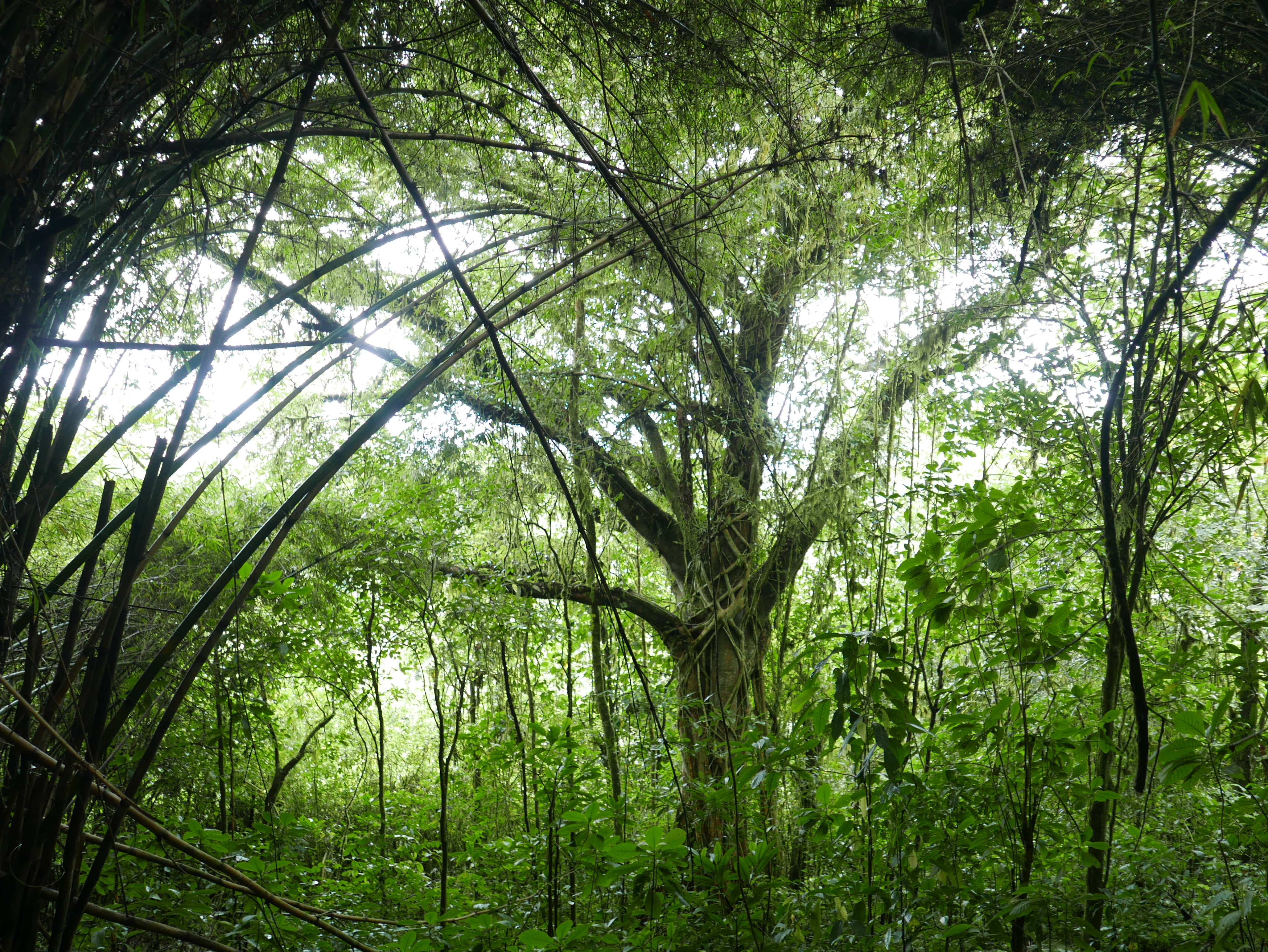
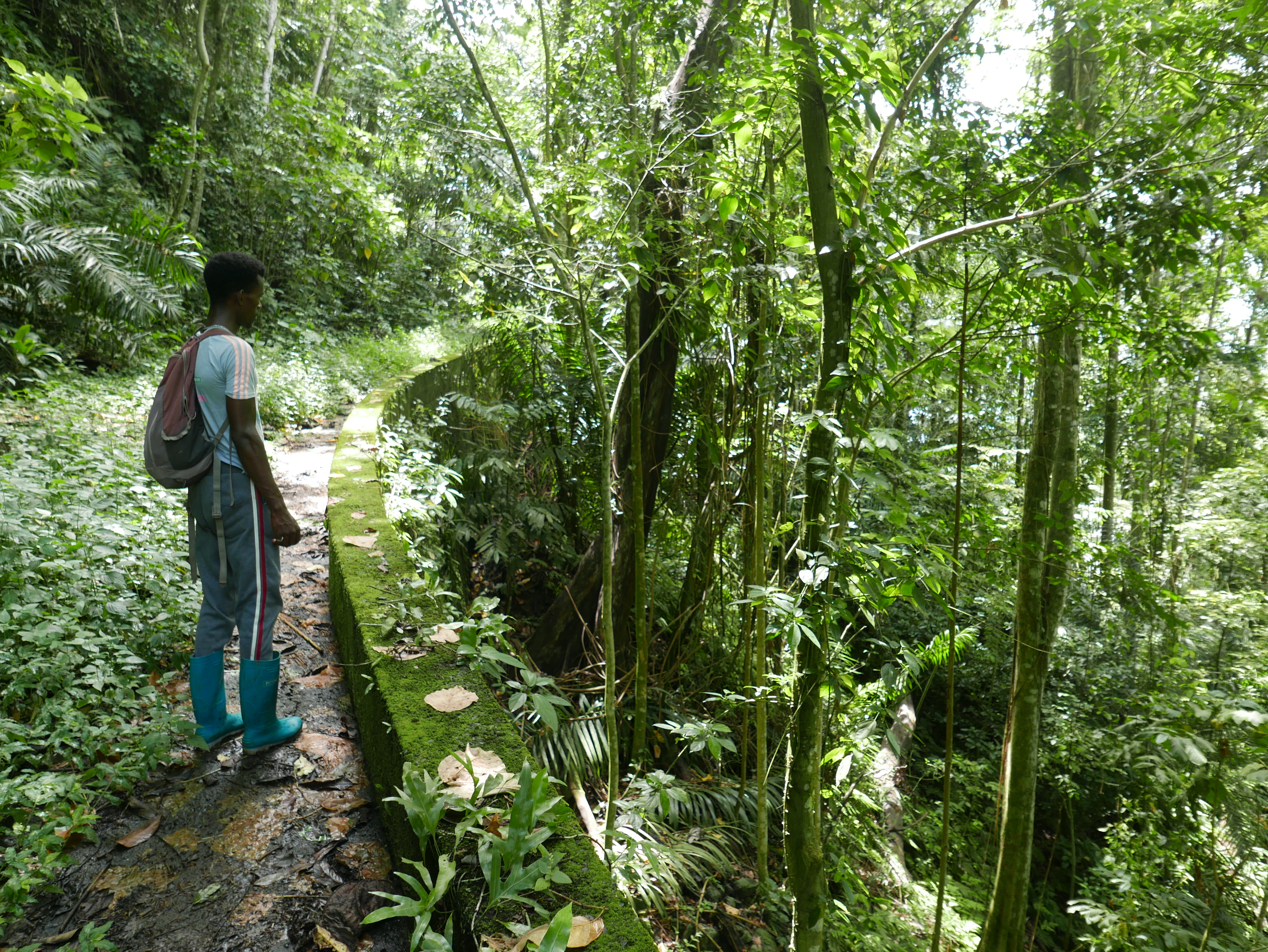
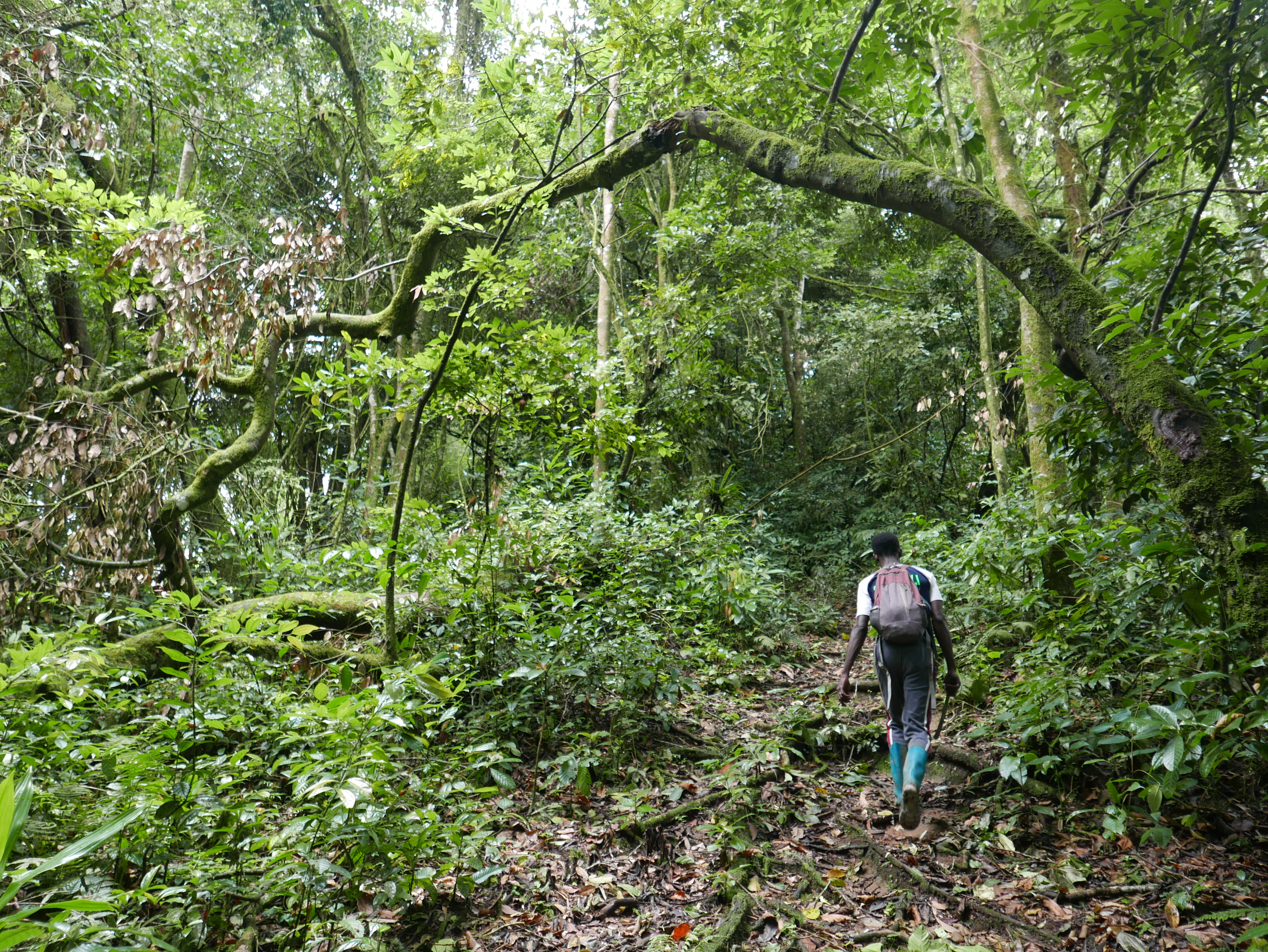
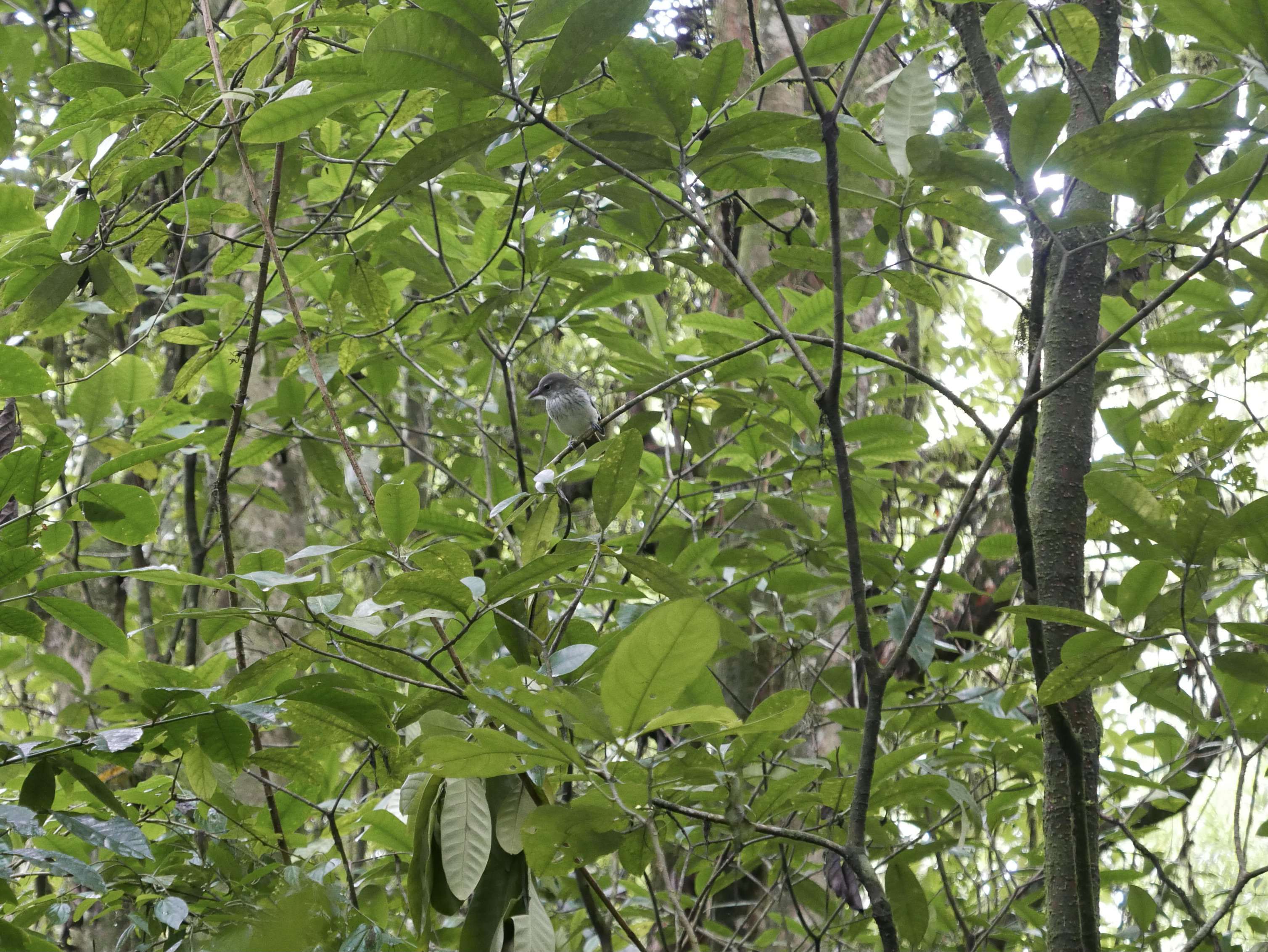
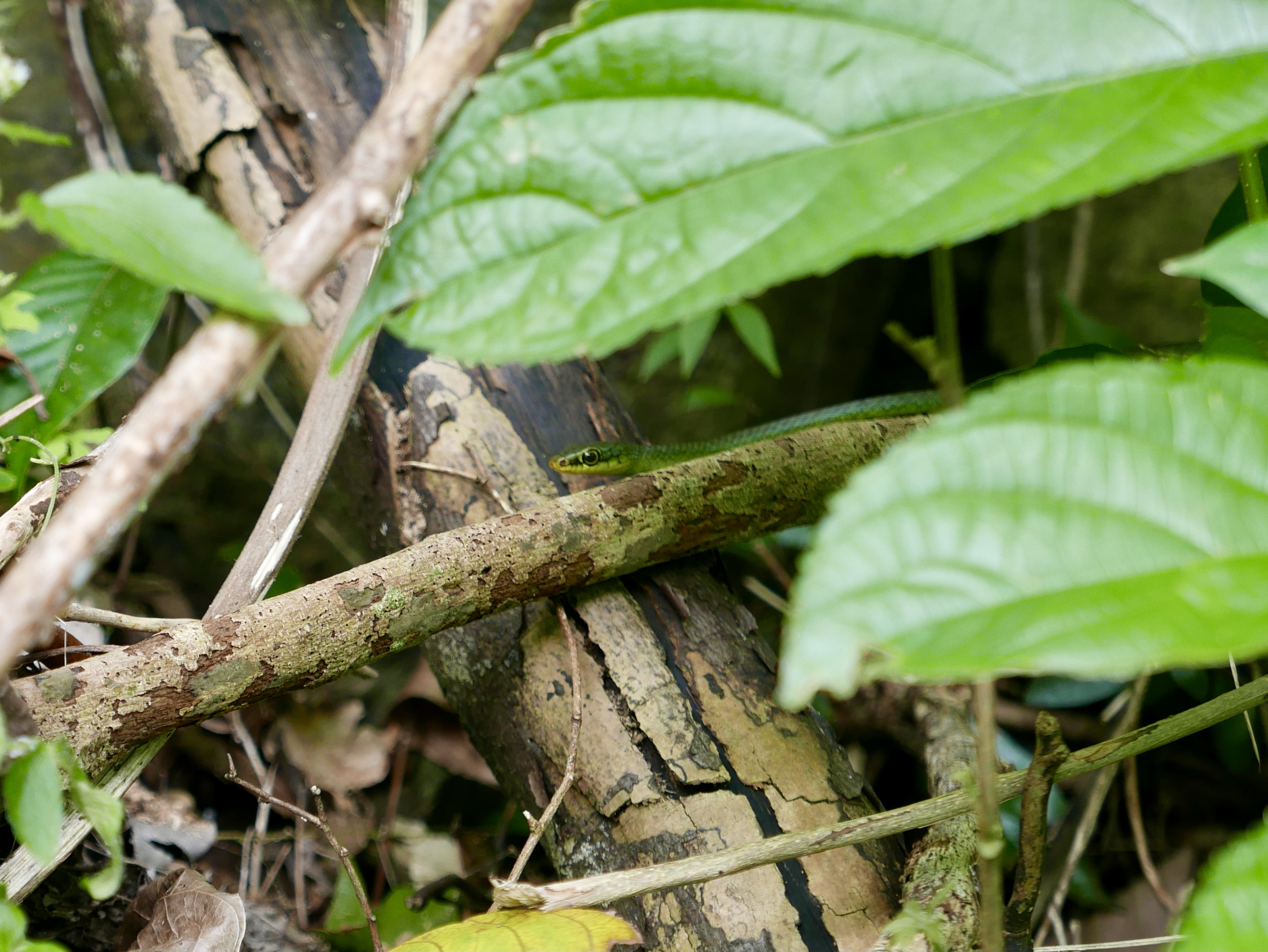
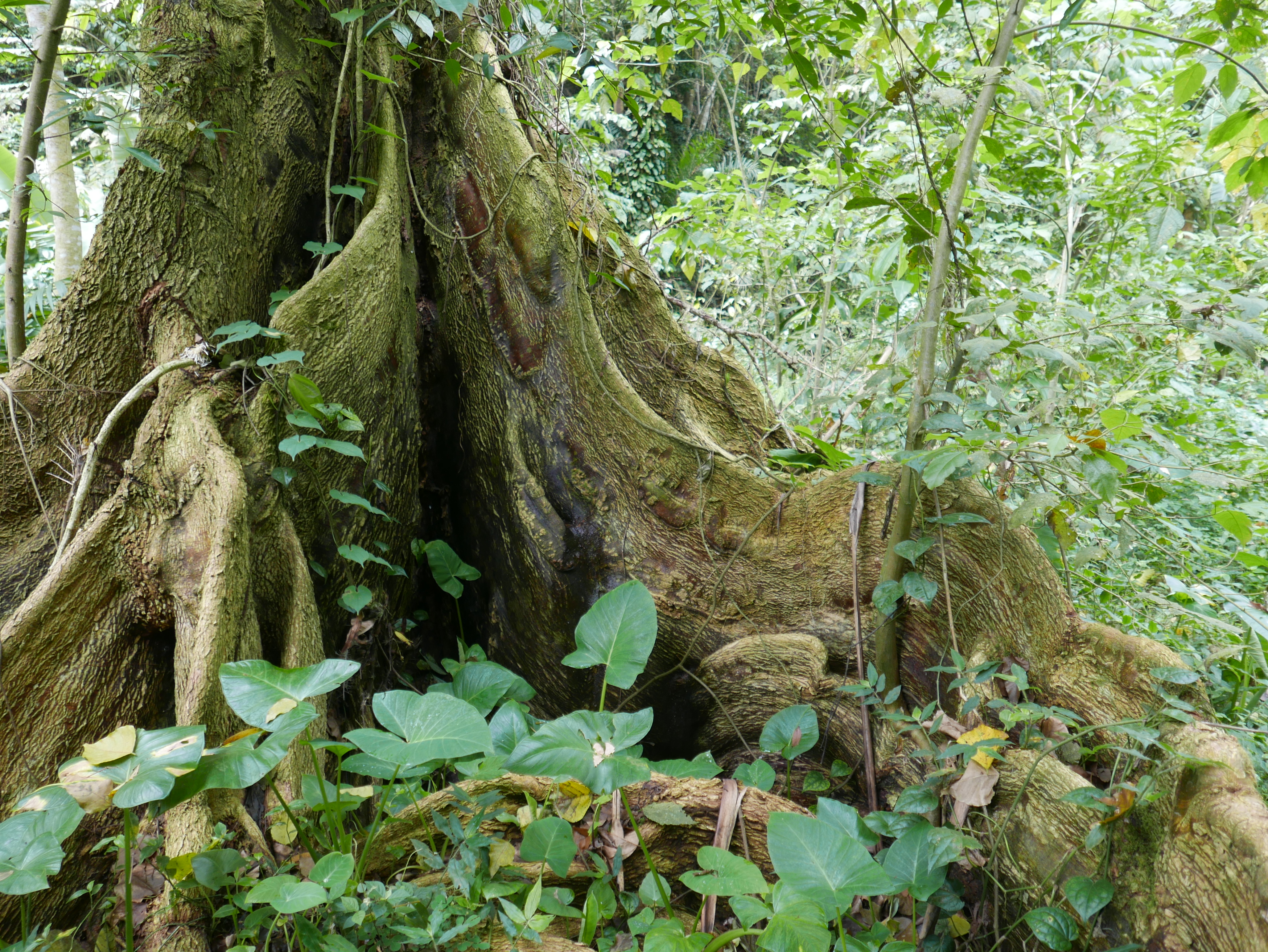
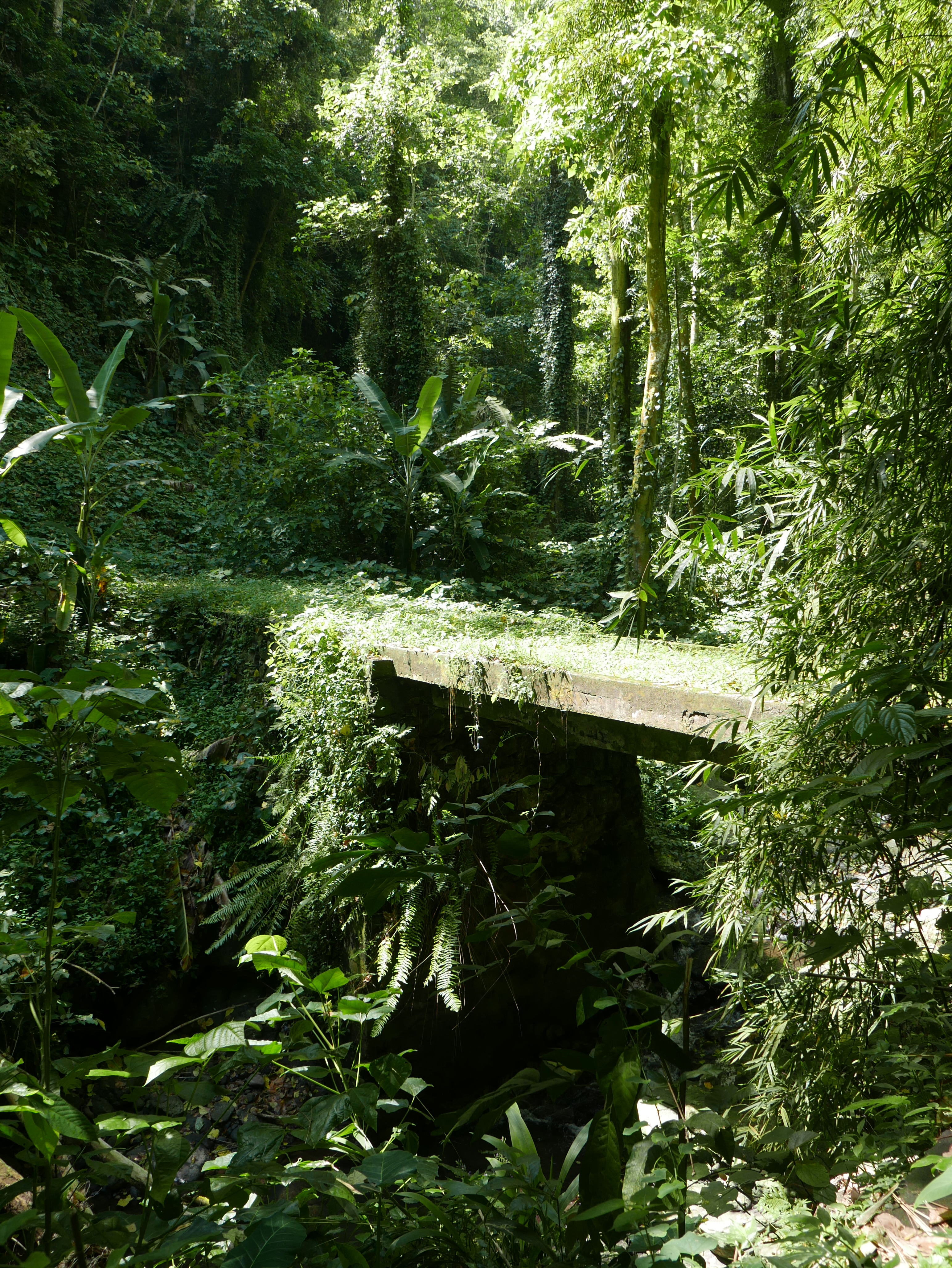
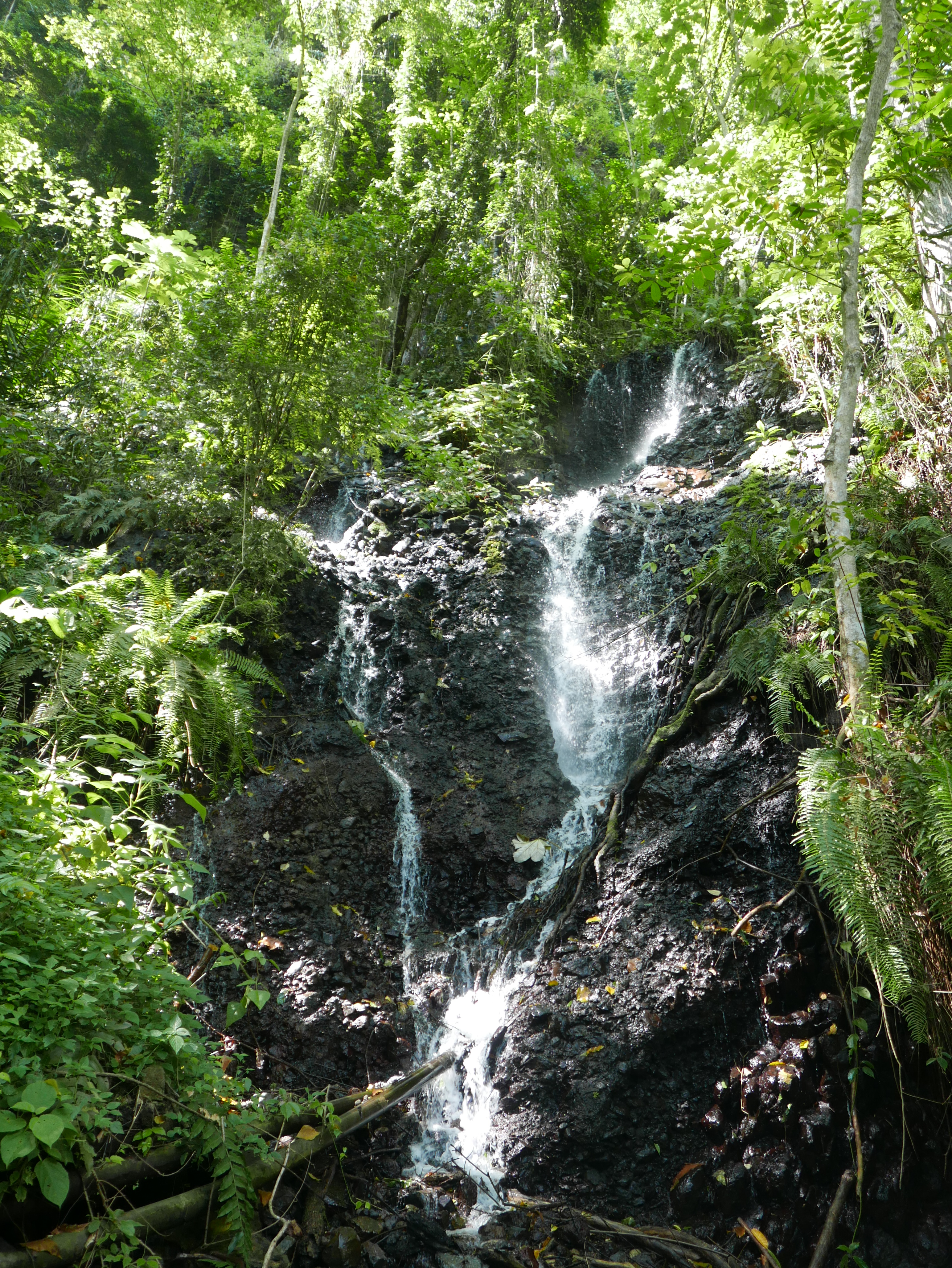
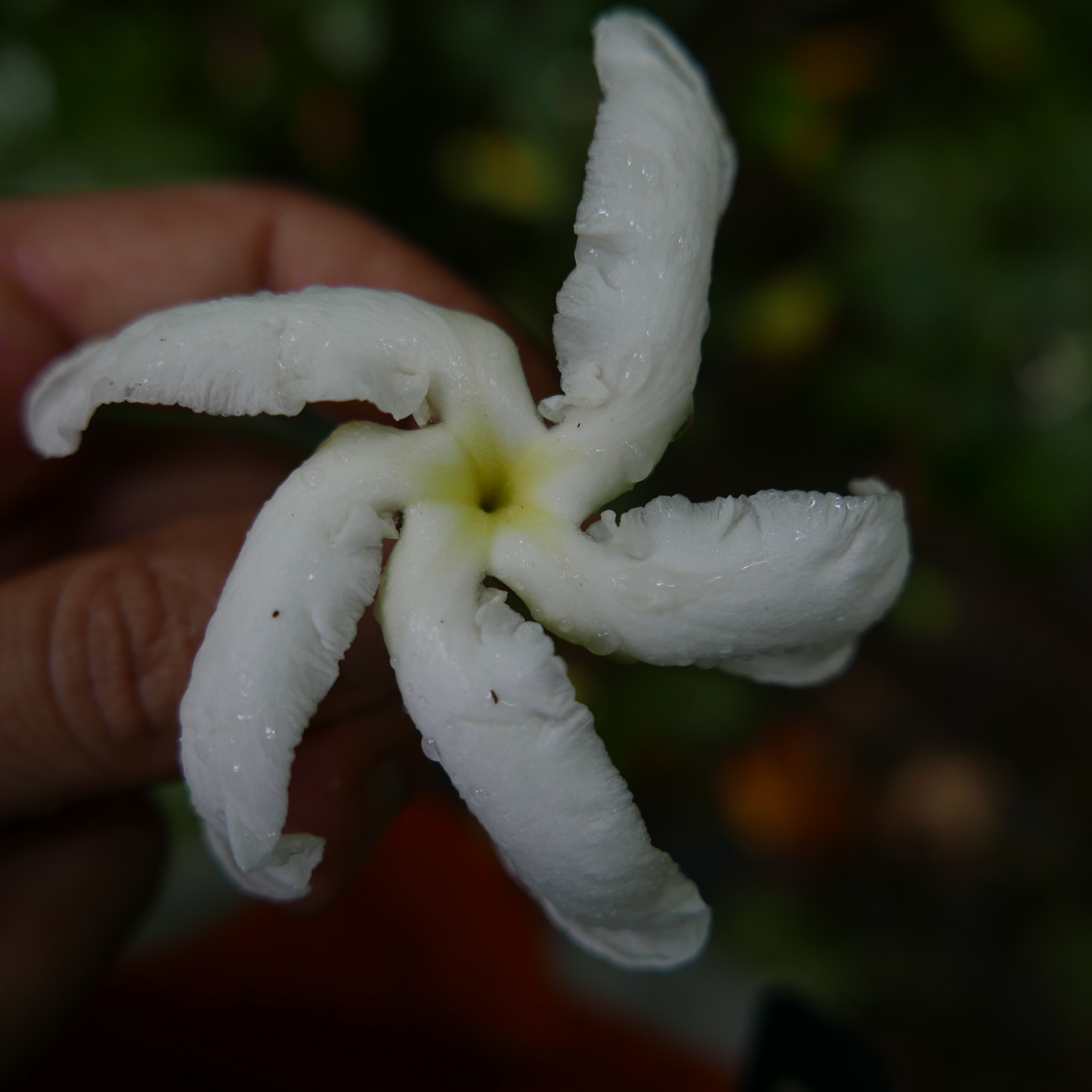
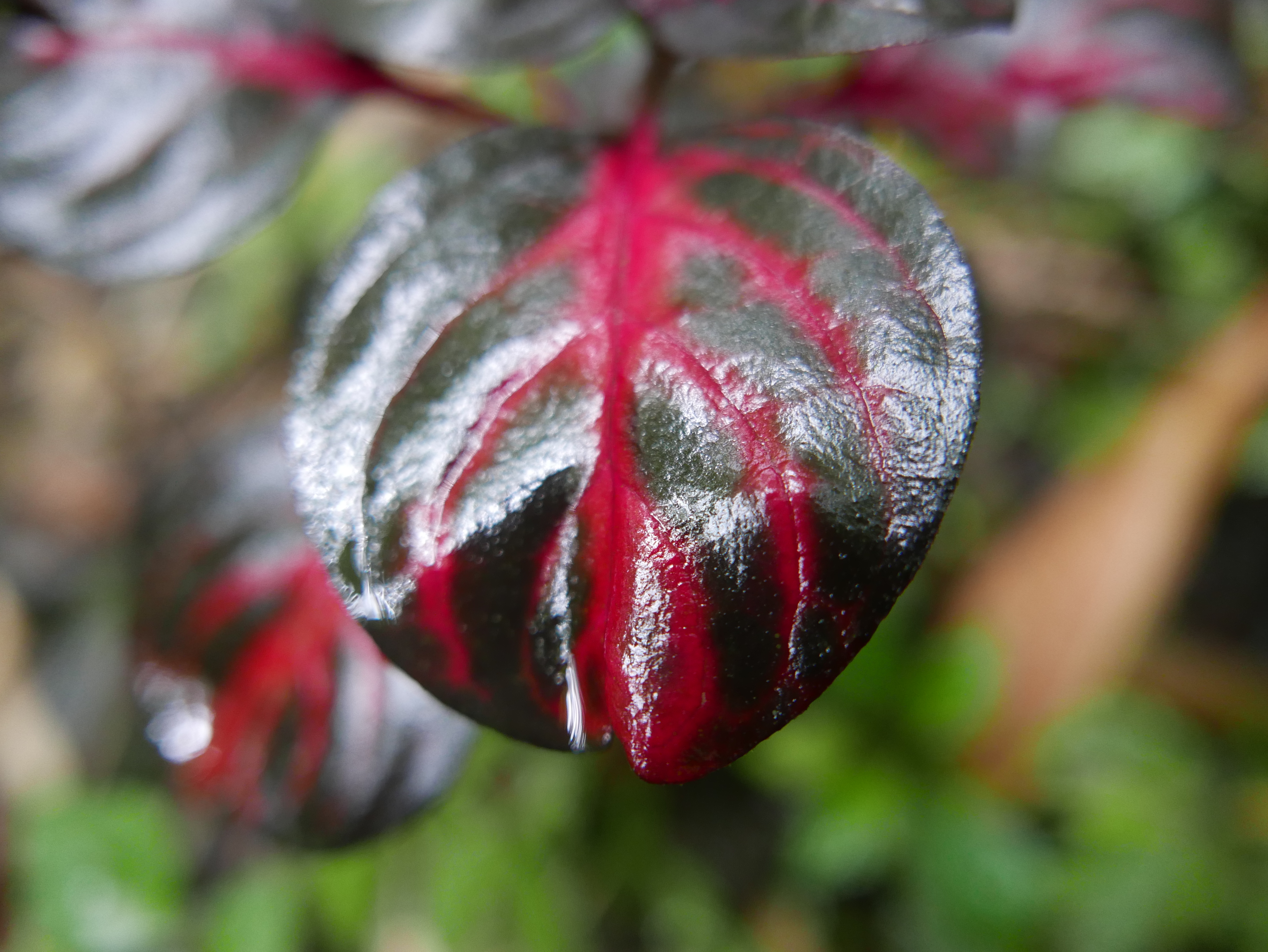
It’s a dream island for hiking, bird-spotting, bird-listening, eating fresh fish, exotic fruits and of course chocolate, or drinking delicious organic coffee. Everywhere, especially in places where a human settlement seems most improbable, roças, miniature cities dedicated to cacao and coffee exploitations built in colonial times, lie in ruins. The bigger ones still thrive with activity today, only as the shadows of what they used to be. They make perfect hiking destinations. There are only three main roads, some portions of which do not look like a road anymore; still, it’s easy to get around by car – just make sure you you have a good spare tire.
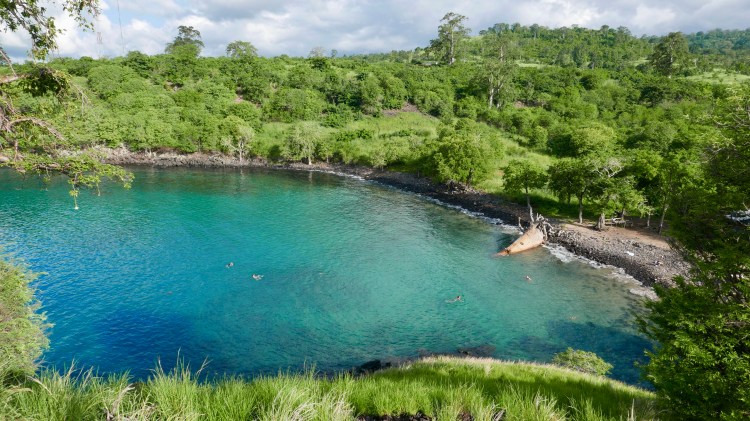
Lagoa Azul and its fallen baobab 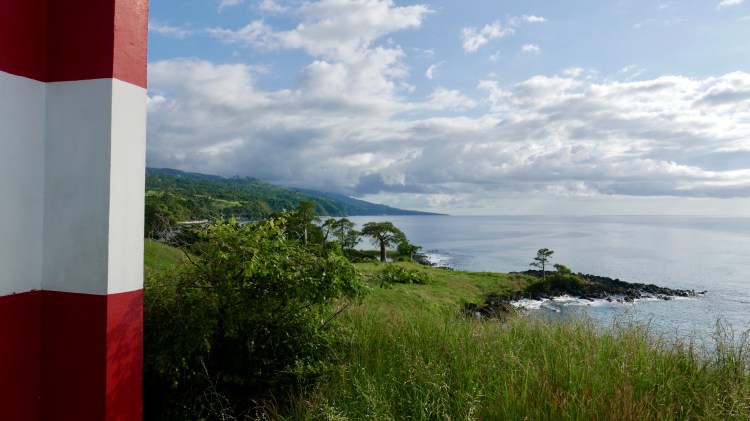
West coast 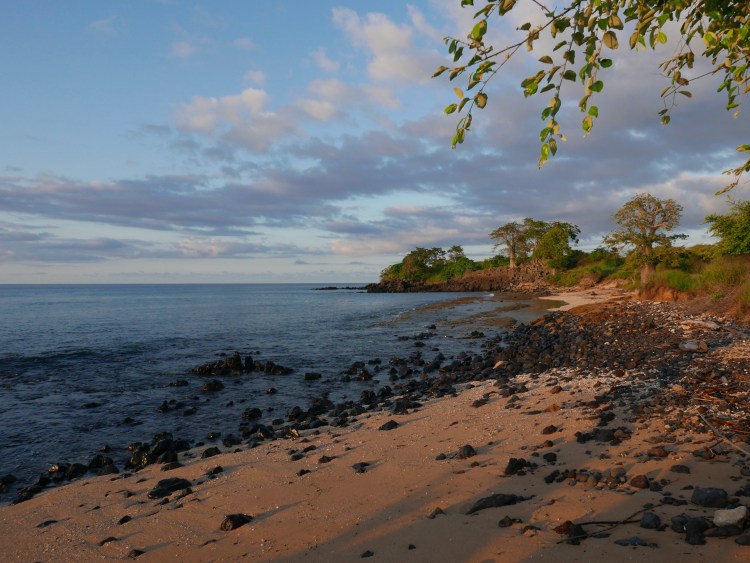
Praia Conchas 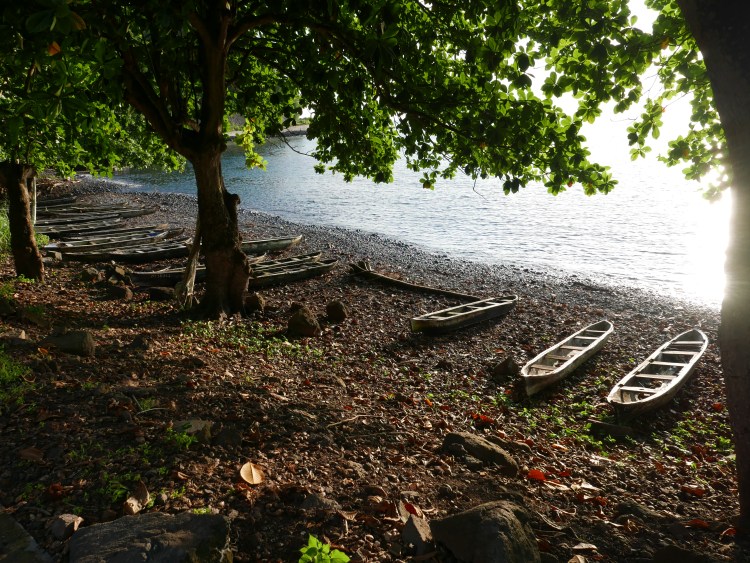
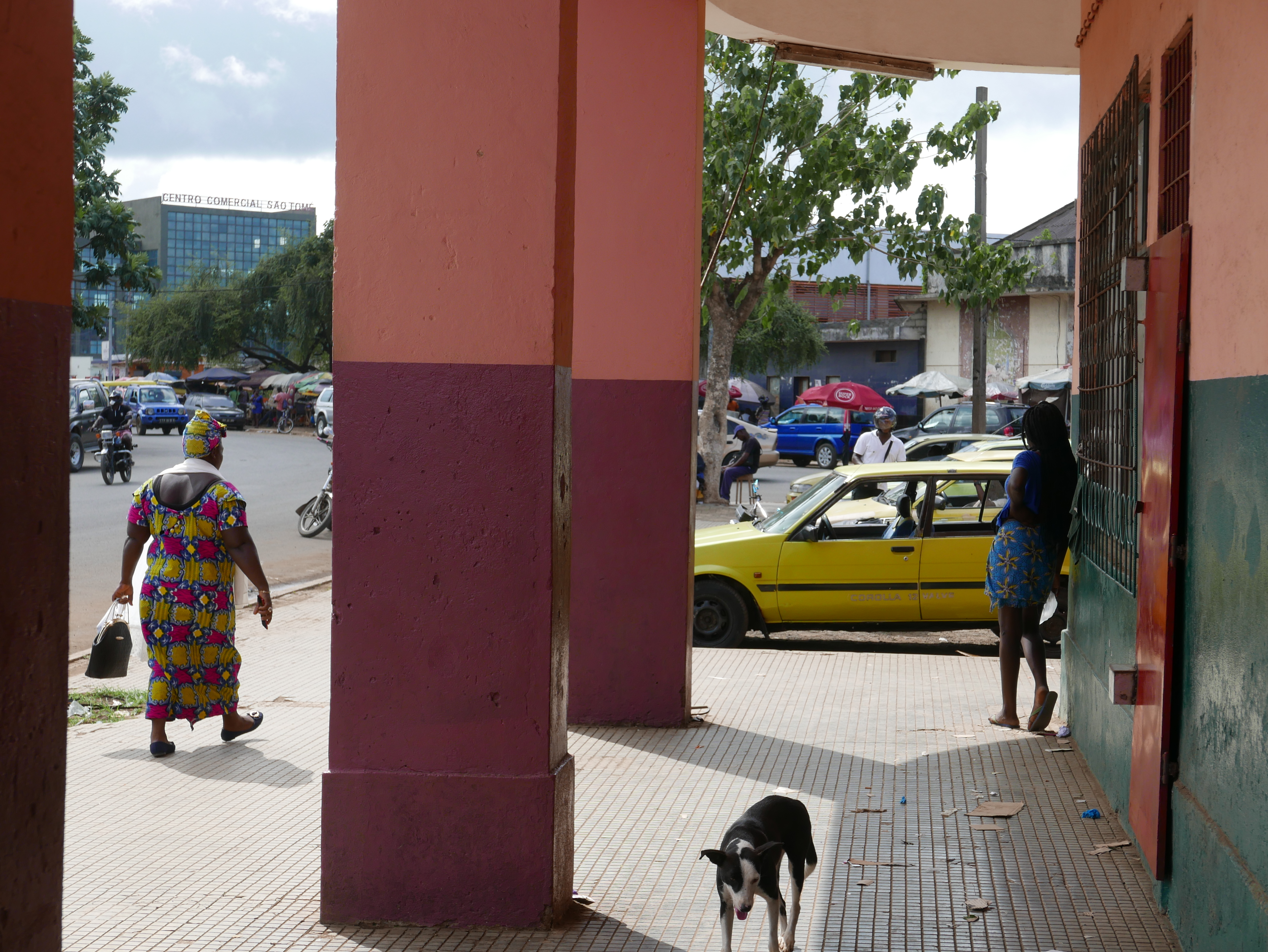
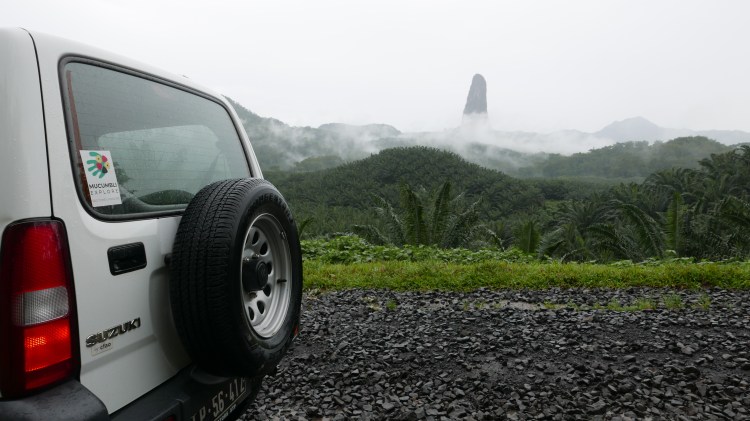
São Tomé is a shot of equatorial adventure mixed with a sense of peace and safety, a singular trip through the warm colors of Central Africa with the smooth melody of Portuguese as a soundtrack. Within a week, I drove almost all of the island’s roads in my tiny and shaky Suzuki Jimny, went for three serious day-hikes in different areas of the national park, and stopped in many villages to simply watch island life unfold.
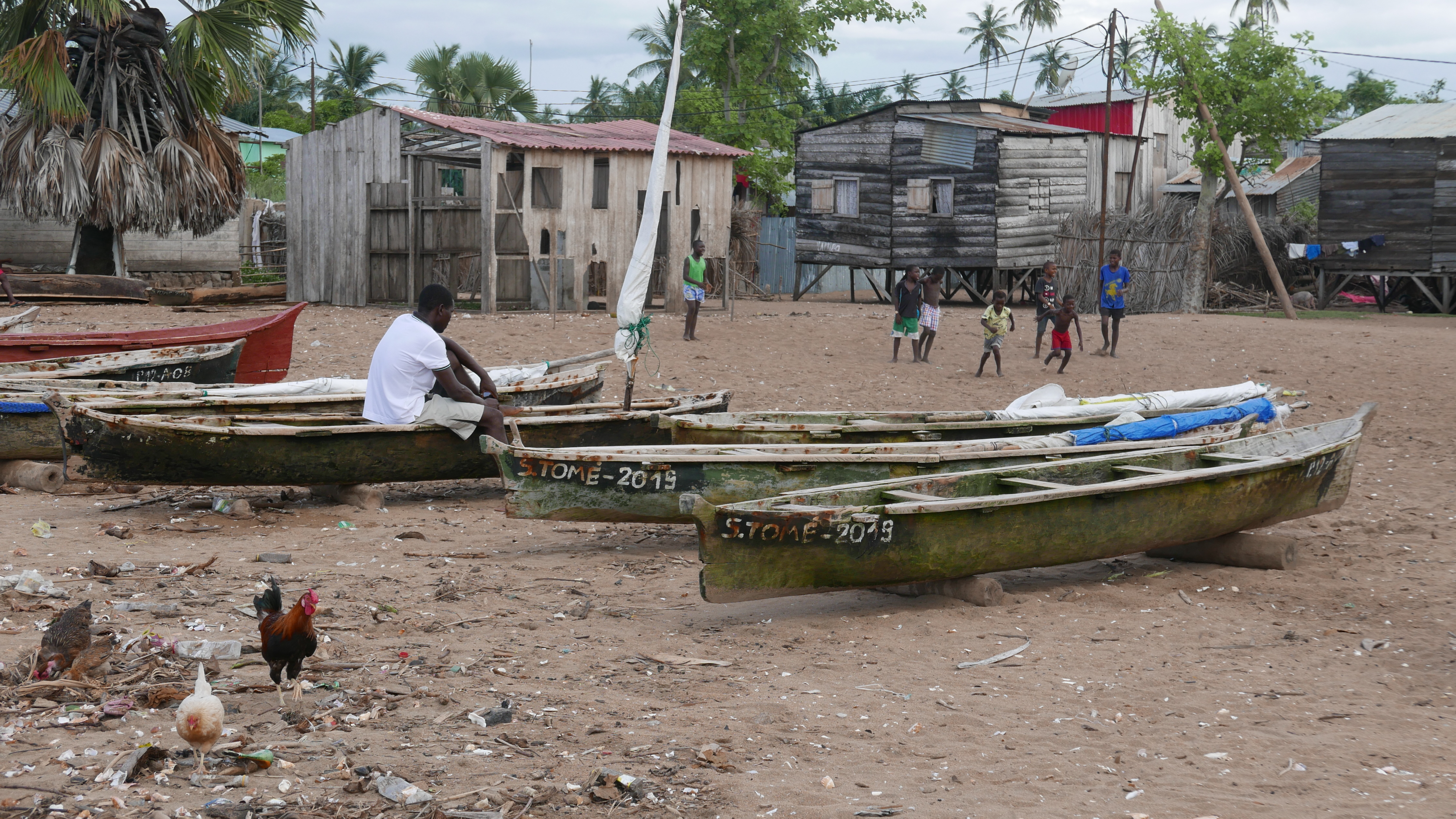
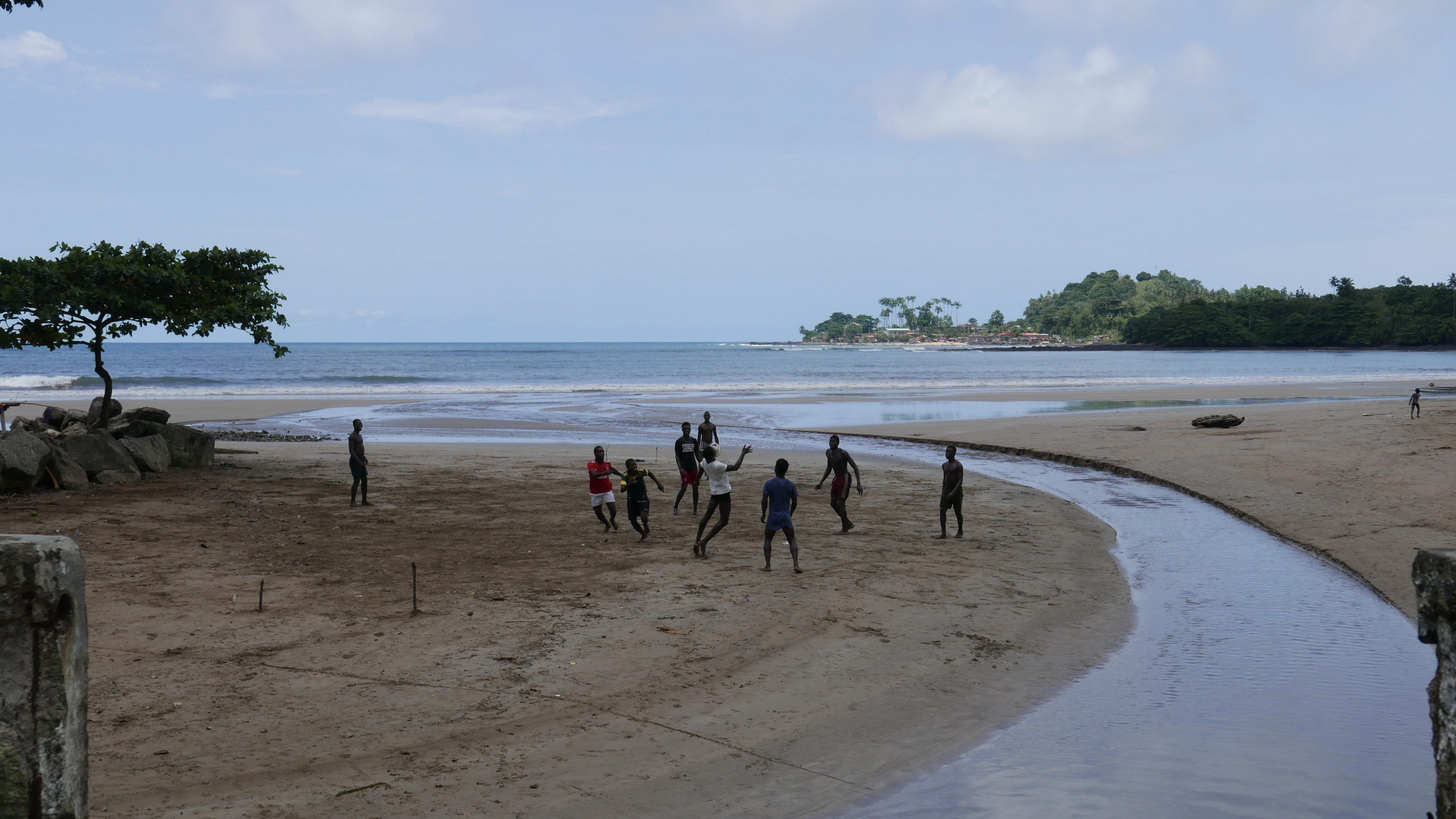
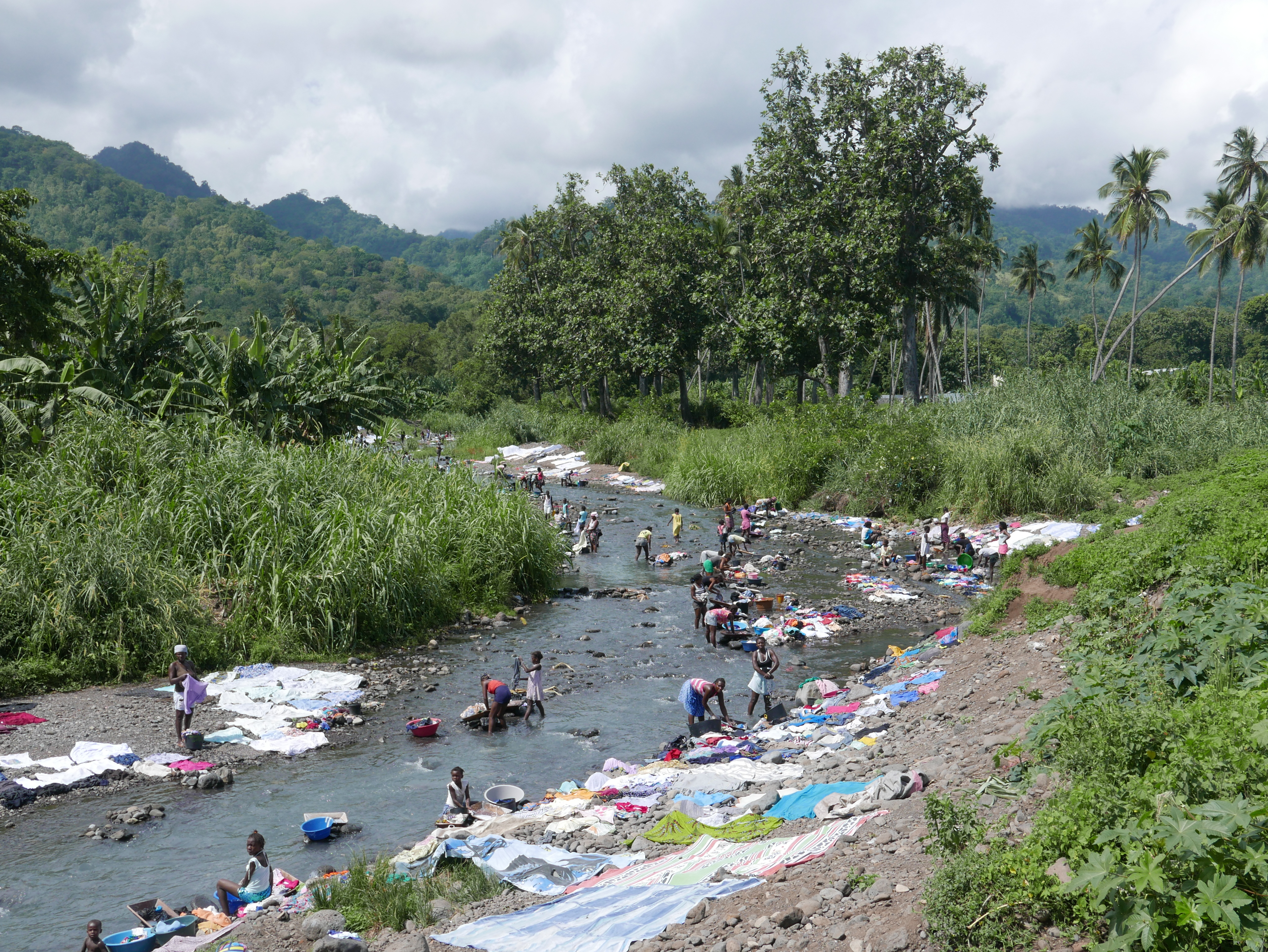
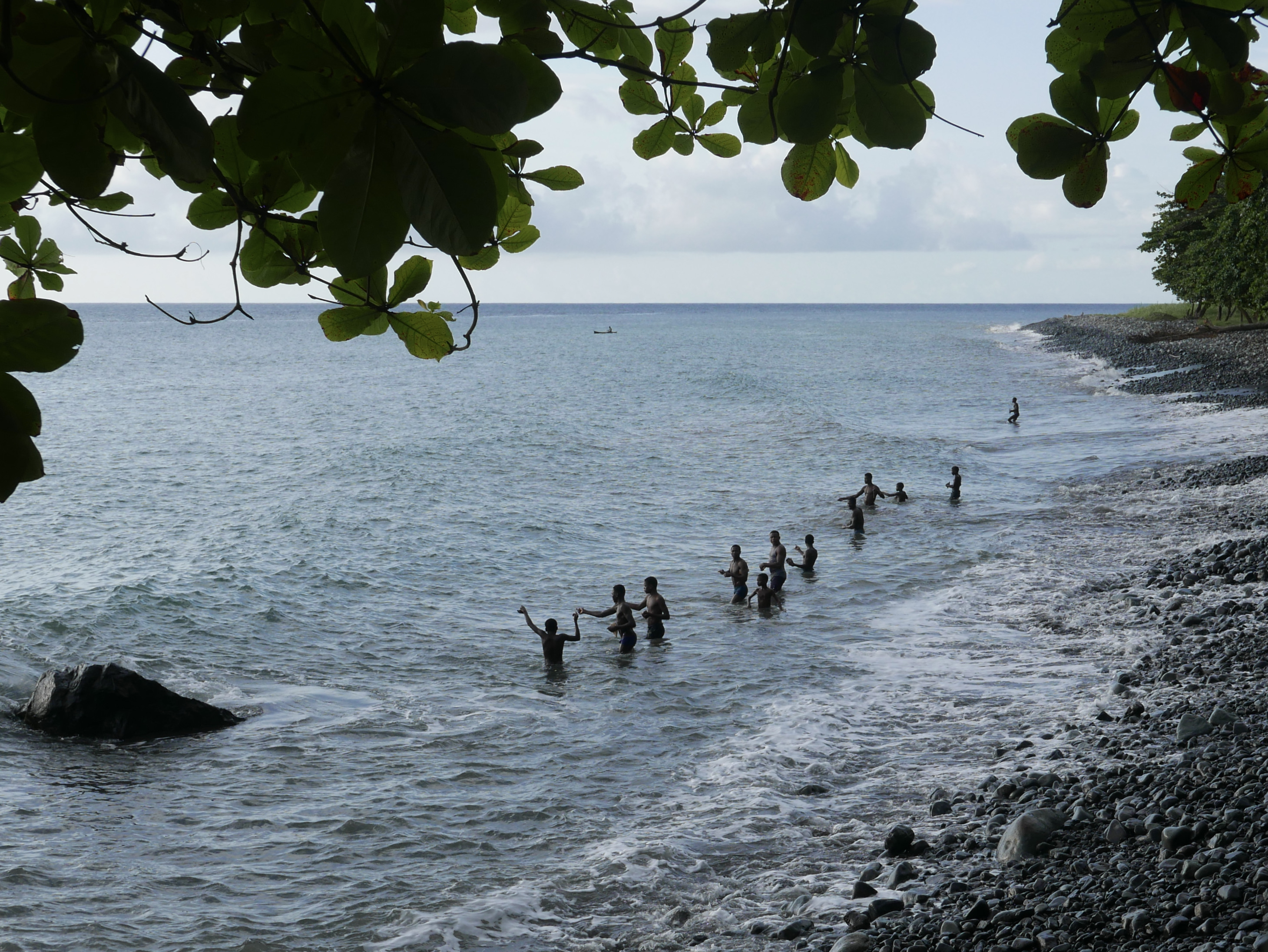
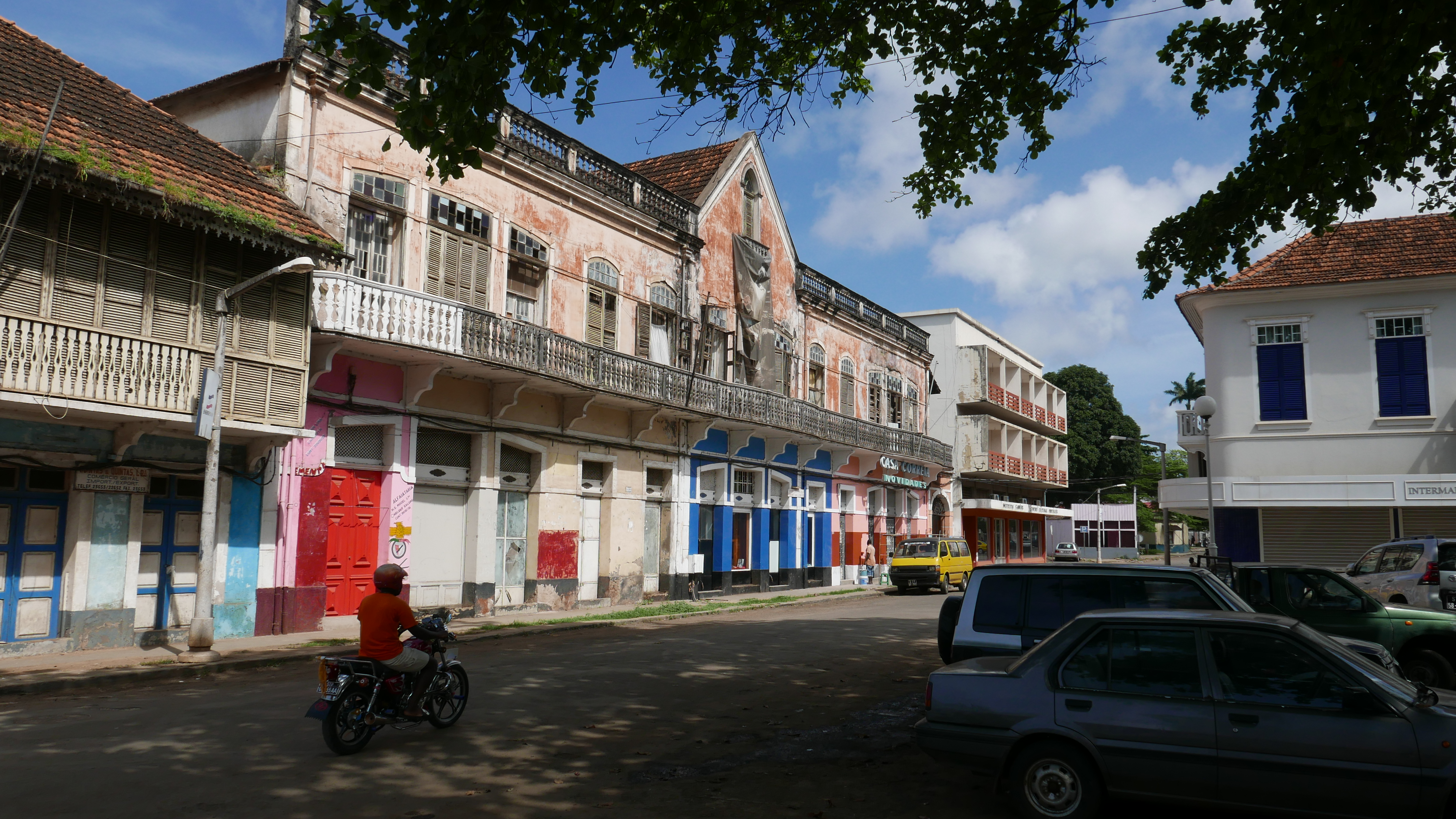
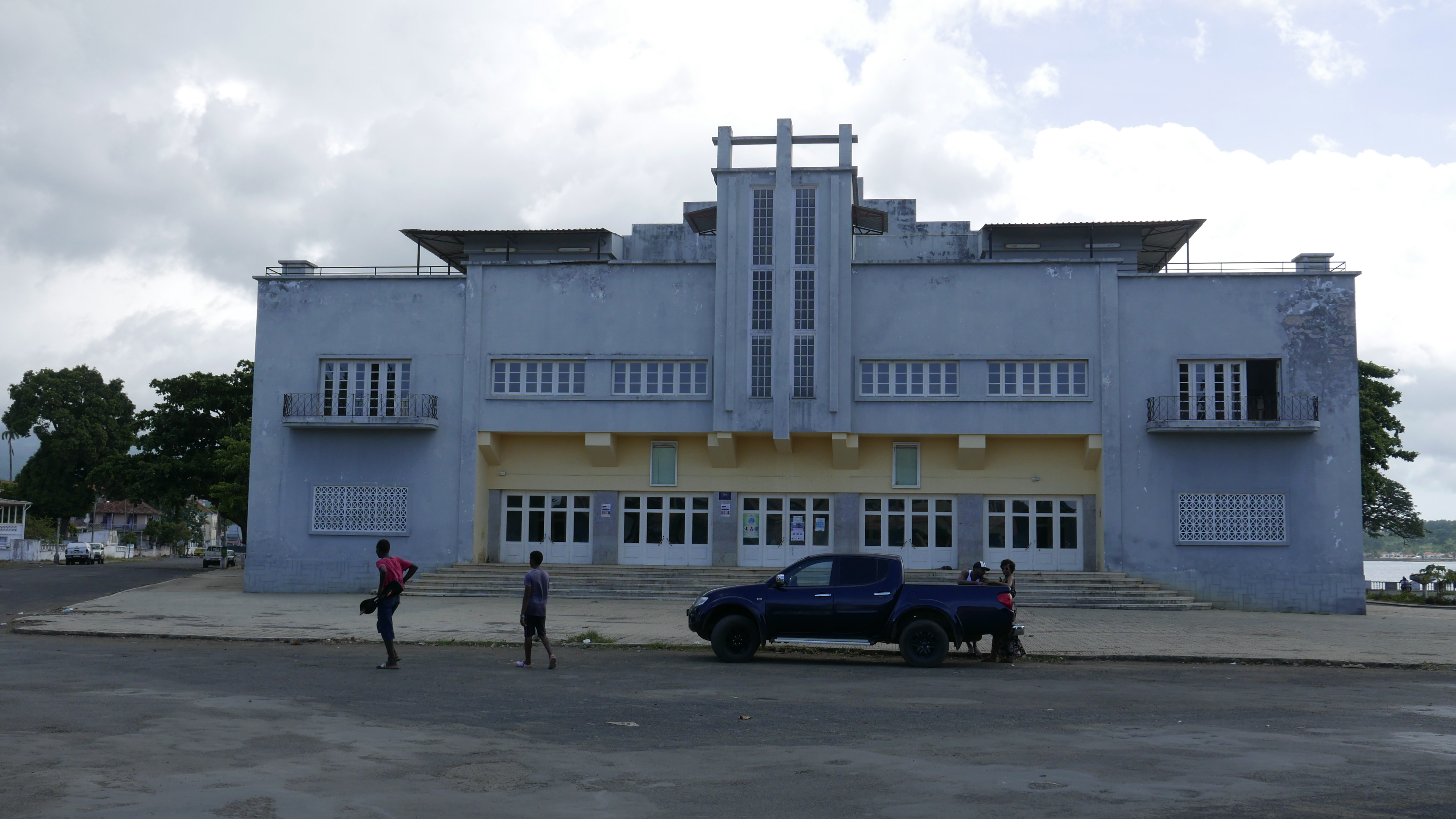
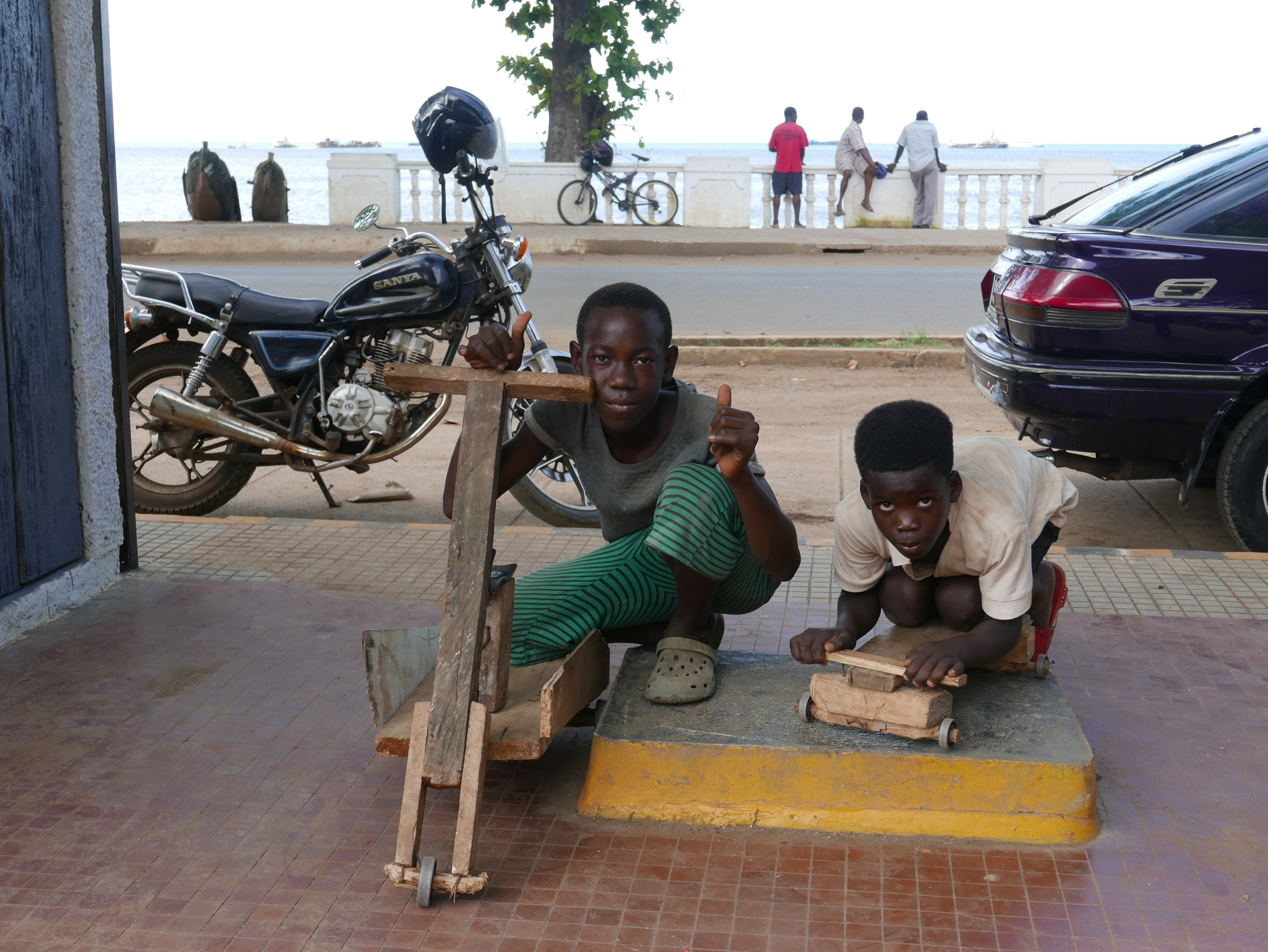
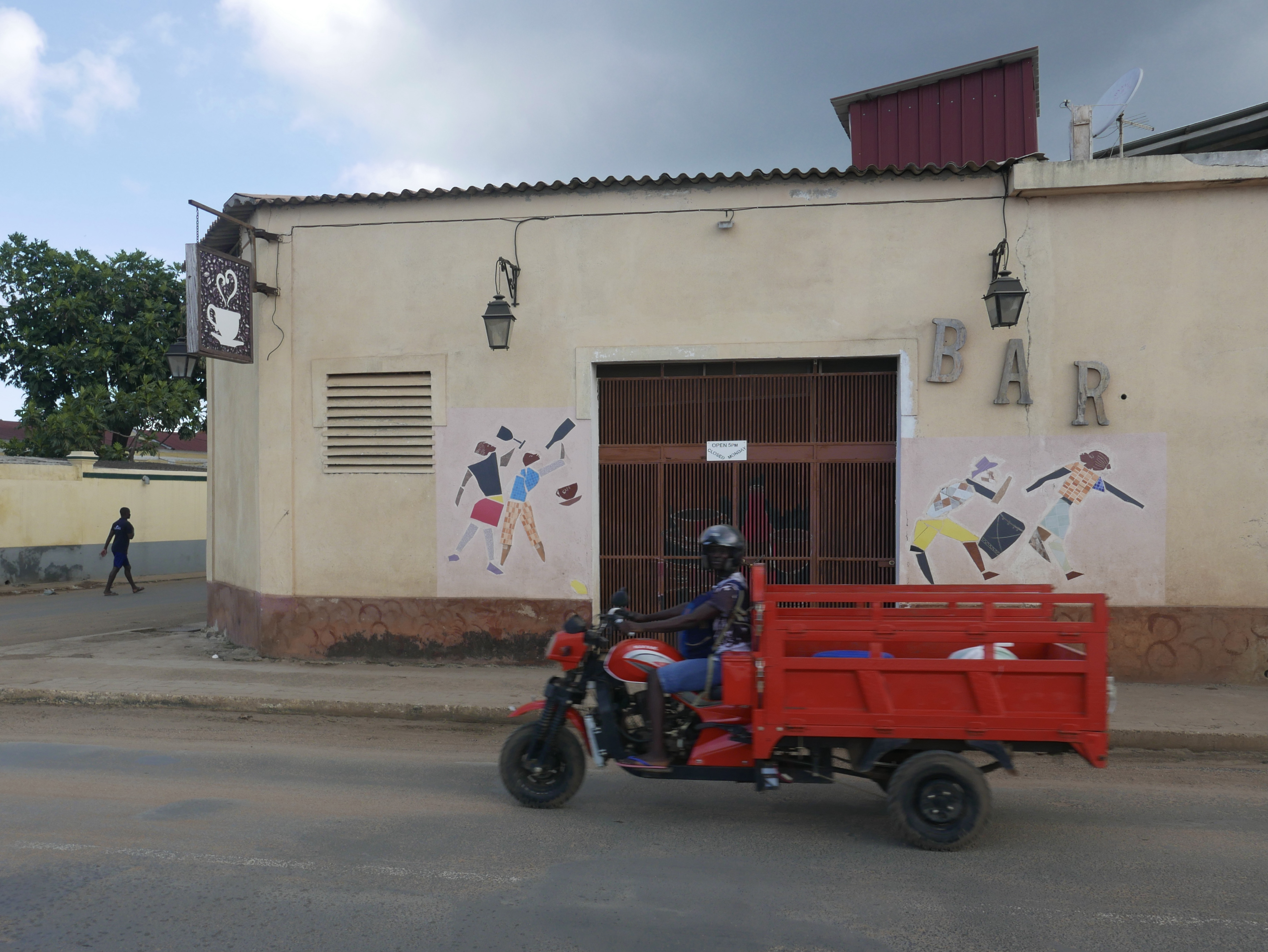
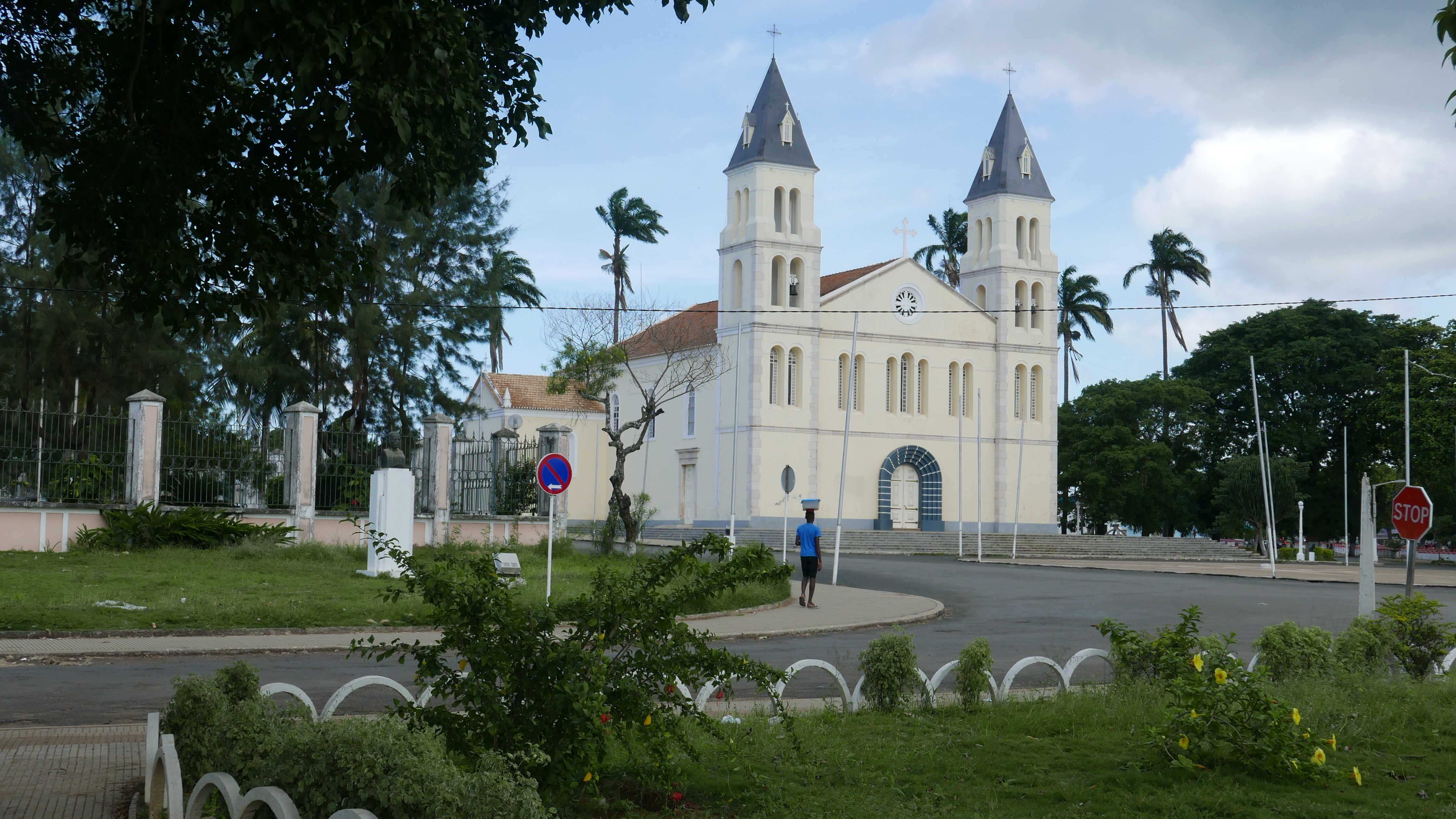
I was riding for the feeling, and day by day the feeling took shape in the “hola amigo!” heard a hundred times a day from the local kids, many of them walking bare feet and hardly having any clothes on them, in the decaying colonial houses and space-age buildings of the sleepy capital, in the joy and disarray emanating from each village, where people live in wooden shacks built on stilts one meter above the mud, the pigs, the roosters and the hens, the ruins of the roças turned into concrete vegetal ghosts in the depths of the rainforest or into makeshift dwellings in the villages, the ineffable sadness in the eyes of teenagers who have already understood that all they will see in their life is this little island, their laughs when they walk home together from school in sky-blue uniforms, their pride as they ride shiny Chinese motorbikes on the main street crossing the village, the tired eyes and backs of the older ones who have spent their life working in the plantations or fishing, the troubled eyes of men on Friday and Saturday evenings after one too many glasses of palm wine, the busy mothers and daughters doing the family laundry in every little stream flowing down from the mountains, the glorious sunsets on the West coast, the certainty of being in a place forgotten and forever stuck sometime at the end of the 70s, locked all around by the ocean. The Portuguese-speaking people of this world seem to have a word that encapsulates all of this at the same time: “saudade” – a somewhat melancholic feeling of incompleteness.
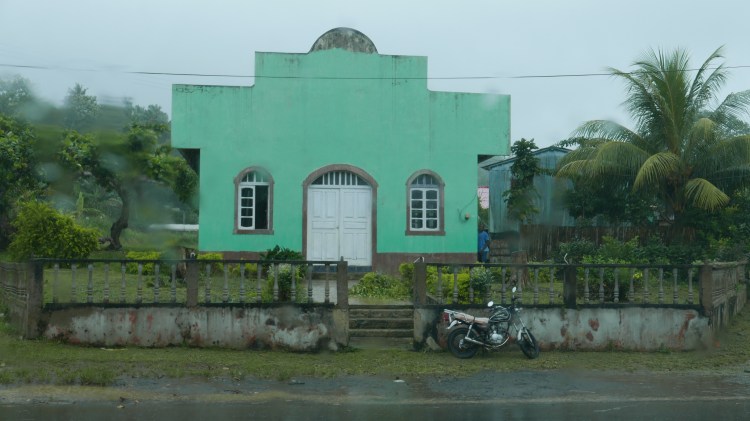
Rainy East coast 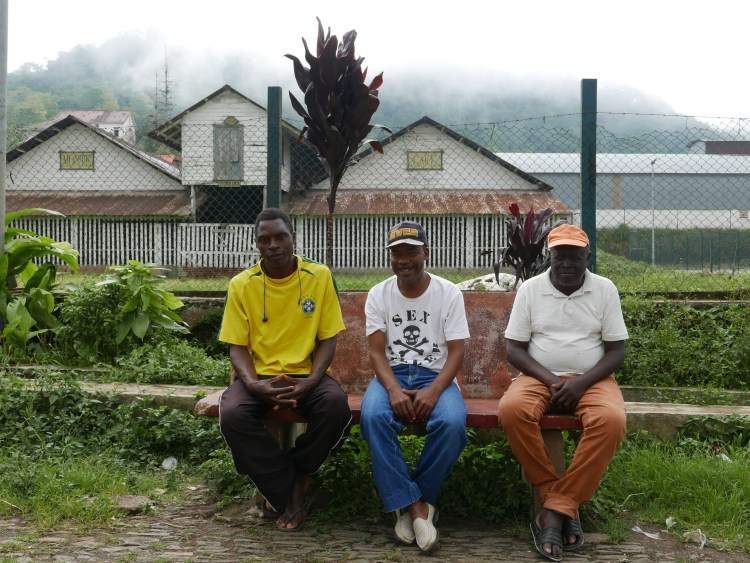
Best friends in roça Monte Cafe 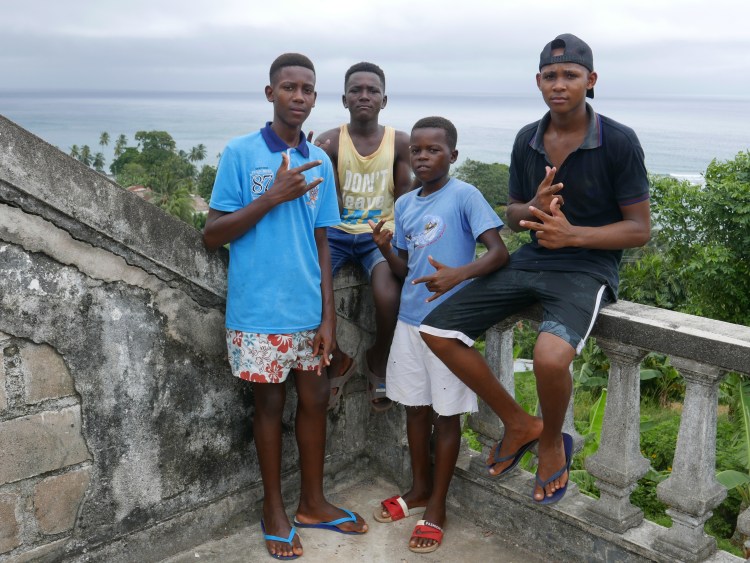
Best friends in Água Izé 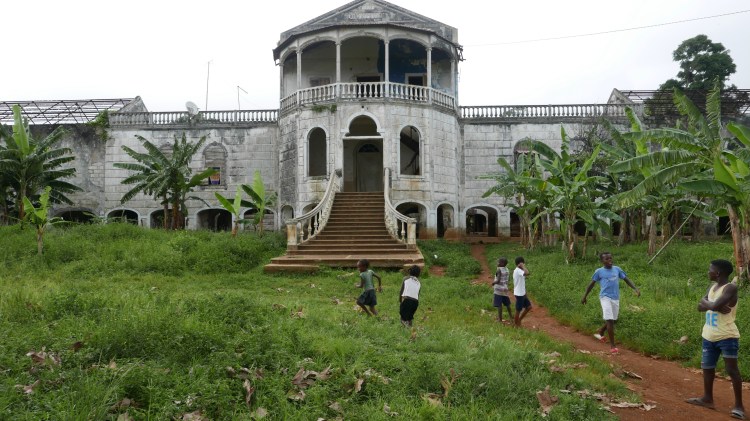
The old Portuguese hospital from the 1910’s in the old roça Água Izé – now people live in it
I had heard before that traveling solo is almost a religious experience, that it allows you to deeply connect with your inner self, to get out of your comfort zone and unveil unknown regions of your mind and personality, to meet locals more easily, to simply have “a more meaningful traveling experience”. What a promising programme! I was willing to give it a try, after more than 20 years of very well-accompanied travel.
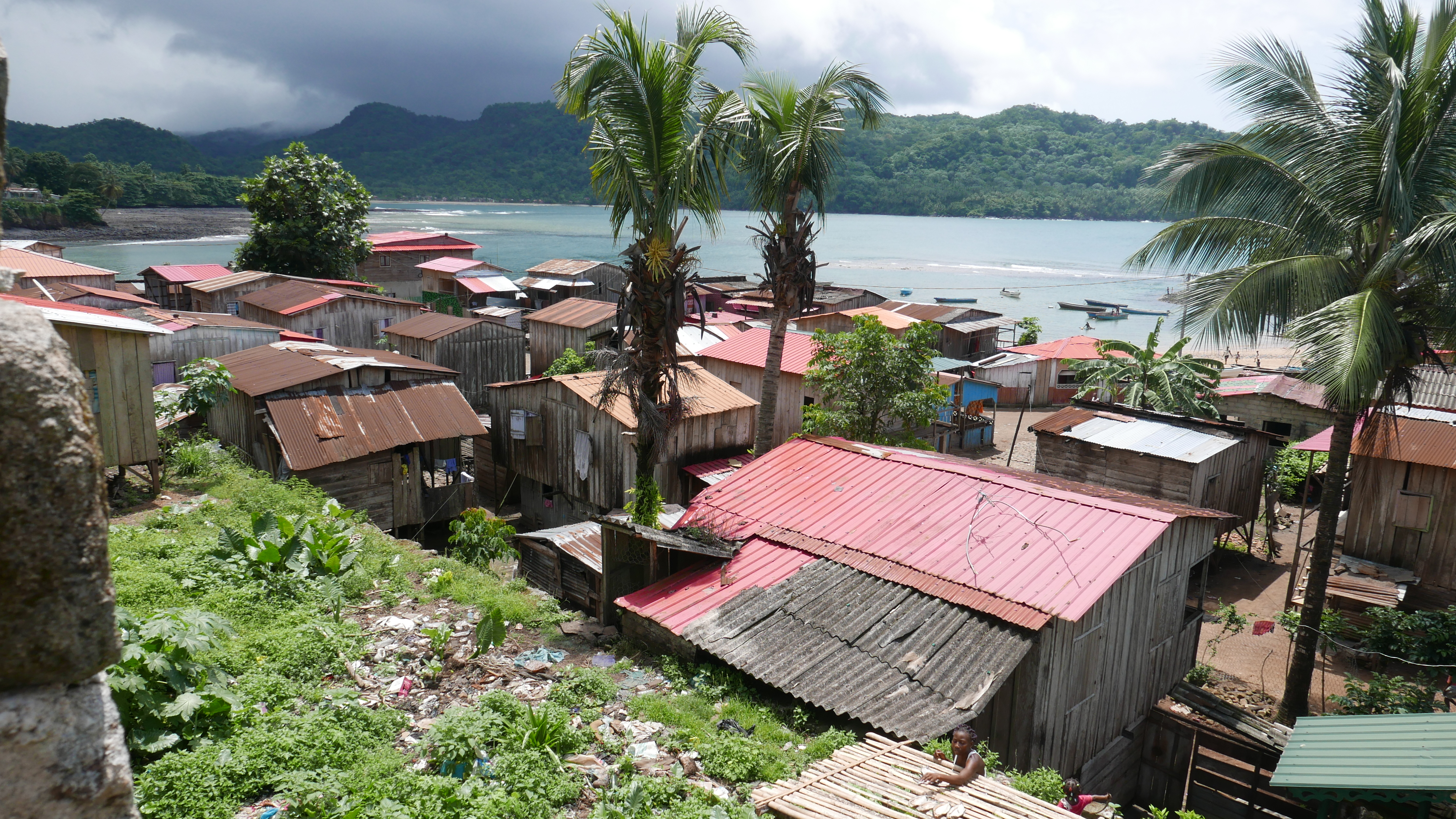
Porto Alegre village 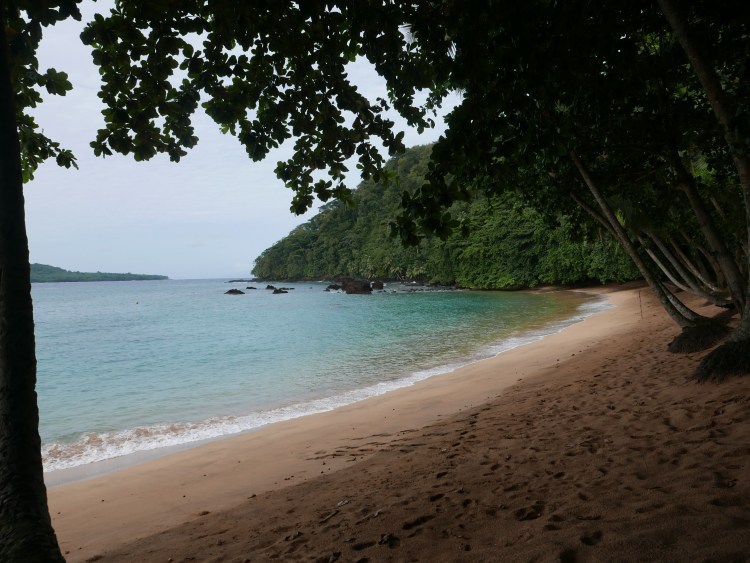
Praia Inhame 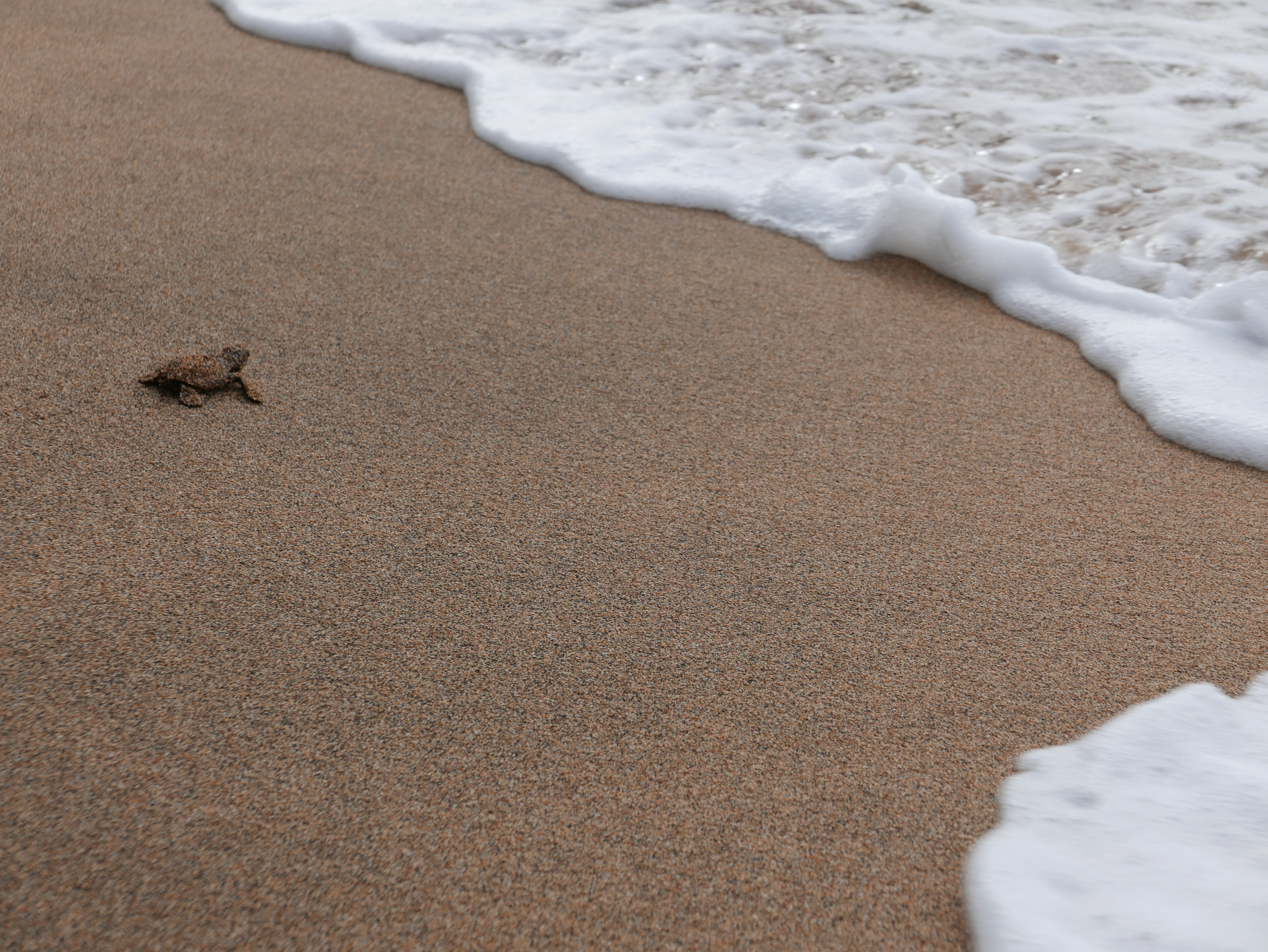
Baby turtle on Praia Inhame 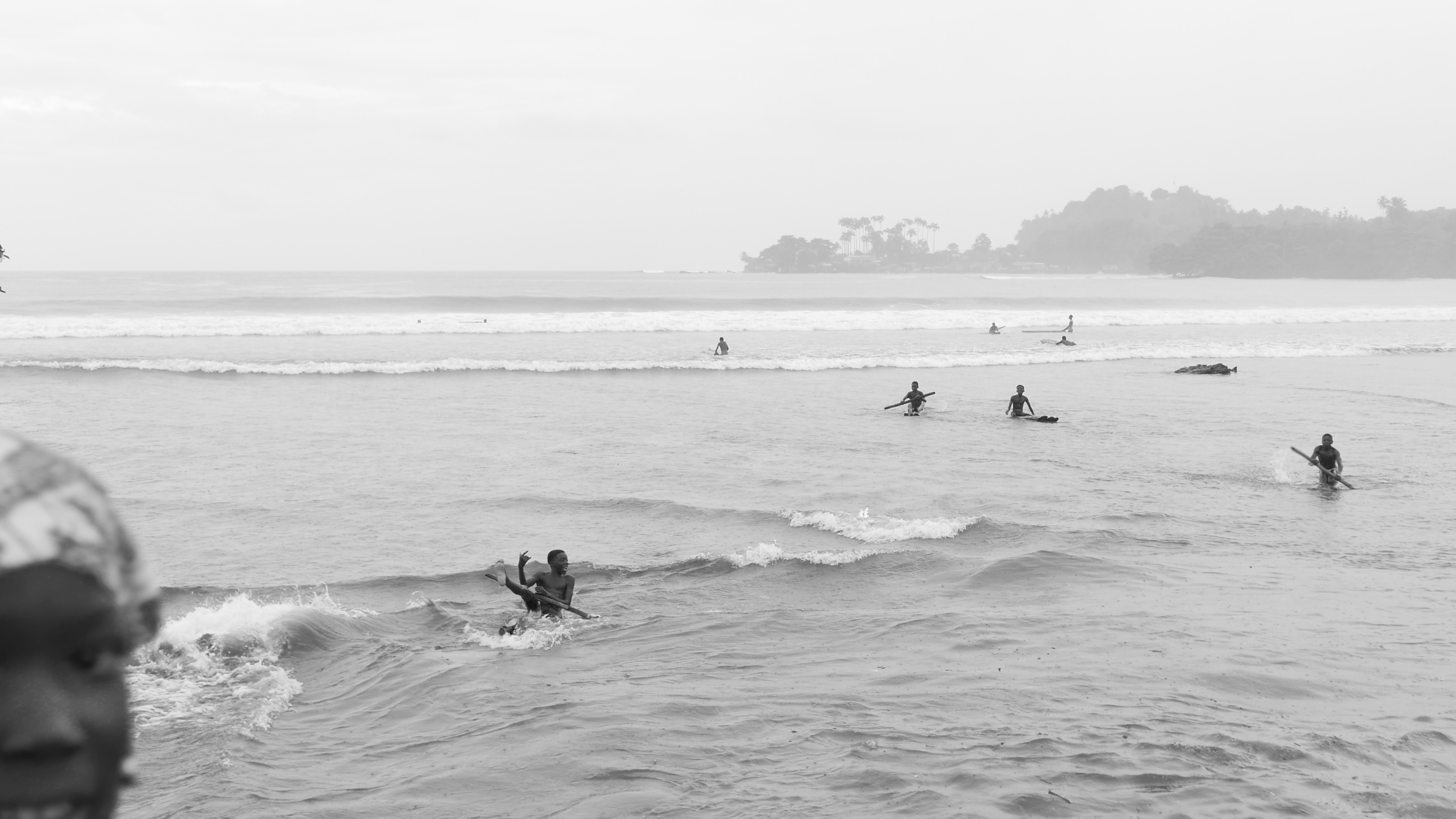
Kids surfing the waves on home-made wood boards in Porto Alegre
I even thought I had a predisposition for solo travel: after all, I still read books, I am able to spend 15 minutes every morning meditating in silence, and I can easily walk in the forest for hours without saying anything. These skills proved very useful, and I enjoyed most of my time alone, or in the company of my local guide when I was hiking. But the truth also is that at least once a day, I felt like a selfish loser: for instance, when I was having the succulent 12-course gastronomic lunch at the world-famous restaurant of the roça São João de Angolares, marvelling from behind the wheel at the panoramic vistas along the ramshackle road to the Southern tip of the island, or swimming in the turquoise waters at Praia Tamarindos all by myself, unable to share these moments with anyone. And of course, I met many Santomeans, managed to communicate with them in a mix a French, Spanish and Portuguese, but I missed the doors that traveling with children often open. My humble conclusion: solo travel is vastly overrated and nothing beats a good travel companion.
The well-followed national motto is “léve-léve”, which means “take it slow slow”. It’s also the name of a fabulous compilation of 70s and 80s music from São Tomé, released last year on vinyl and CD by the friendly Swiss label Bongo Joe records. This music is just as singular as the island it comes from, and its infectious grooves seem to suggest that the first years after independence may have been happy ones on the island. Give it a spin and your hips will start moving by themselves! Ah, and next time you visit your chocolate or coffee dealer, ask if they can fix you with anything Santomean. All of this may suddenly give you unexpected ideas to celebrate the moment when you can travel again to places faraway.
 Tanad stories from Gabon
Nagyon klassz beszámoló! Csodás utazás lehetett, annak ellenére, hogy egyedül más utazni. Szuperek a képek és a zenei betét is: olyan, mintha ott lehettünk volna mi is. Köszönjük! Sok puszi, AAMB En lunes, 31 de mayo de 2021 18:31:36 CEST, Tanad stories from Gabon escribió: | Tanad posted: “Before we moved to Libreville, we were not aware of the existence of a country called São Tomé and Principe, made of two tiny volcanic islands dropped in the middle of the Gulf of Guinea, lying some 250 km away from the Gabonese shore, right at the inter” | |
LikeLike