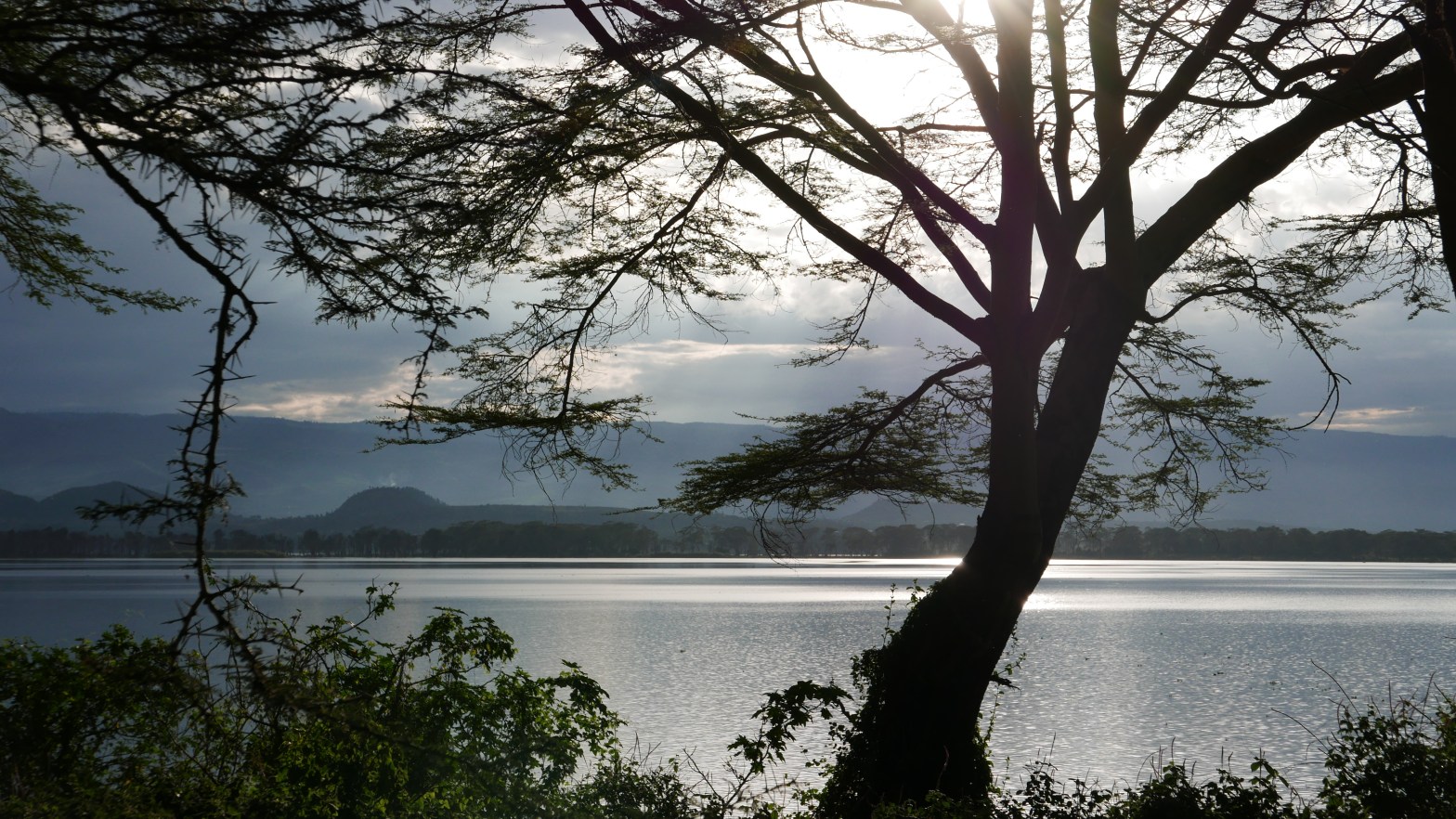
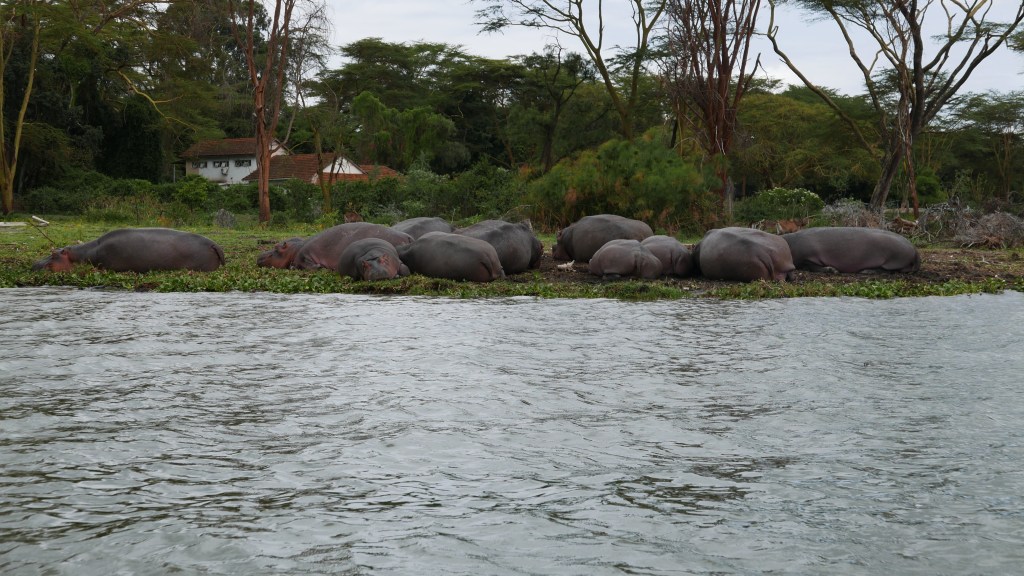
In in the first half of 2020, torrential rains fell for months upon the string of 8 lakes of the Rift Valley in Kenya, including Lake Naivasha. The same had happened in the early 2010’s. Today, the surface of the lake is 50% larger than in 2012. The floods have obliged hundreds of people to leave their homes, dozens of farms to shut down, and caused more hippo attacks on human as the lake shores get closer to the surrounding villages. After the recent overflow, the waters have receded by roughly 150 meters, leaving a crown of dead tree trunks as well as destroyed houses, hotels and bungalows all around the lake. Not exactly your dream travel destination, but rather a palpable example of climate change impact in East Africa.
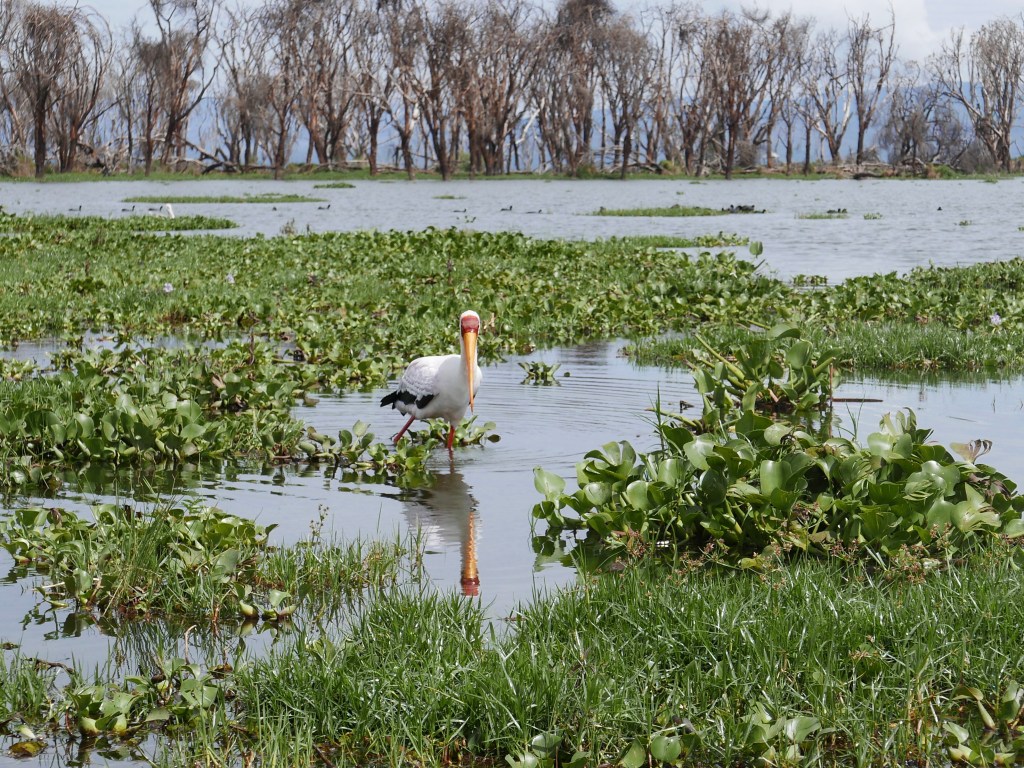
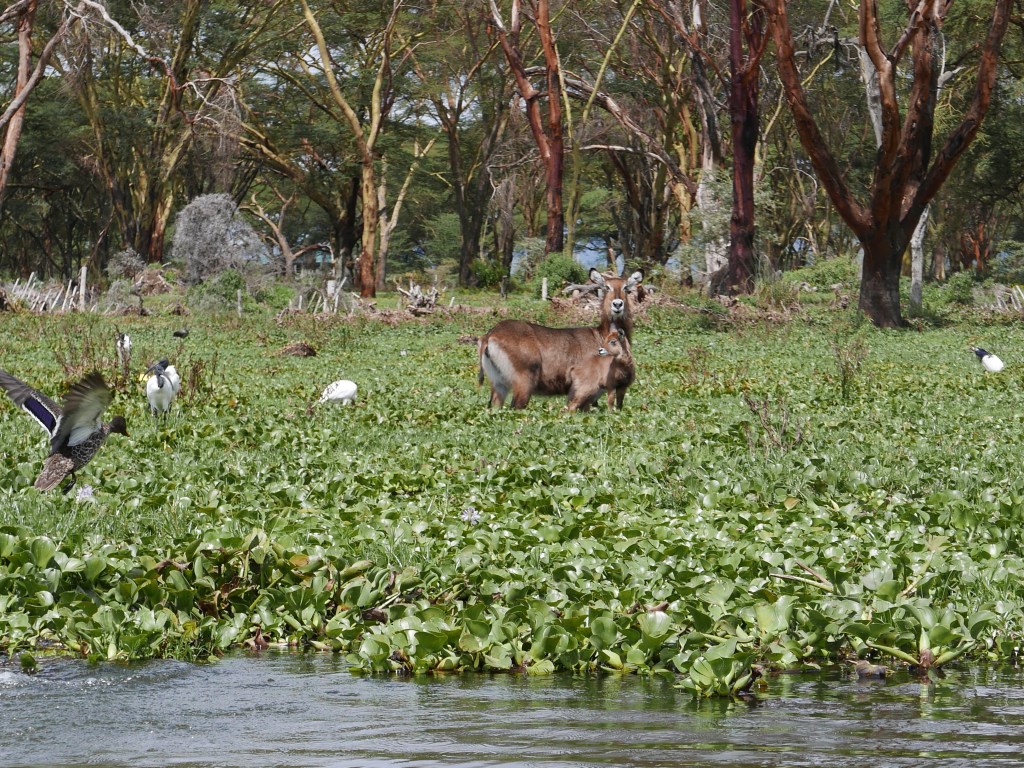
A year after the overflow, animals and humans still thrive around Lake Naivasha, just in a different way and in a different place. Everyone has adapted. It’s a busy place, with the nearby geothermal plants and gigantic flower farms that employ thousands of people. Did you know that if you have tulips or roses in your Belgian or English house now, there are great chances they were grown in Naivasha – how insane is that?
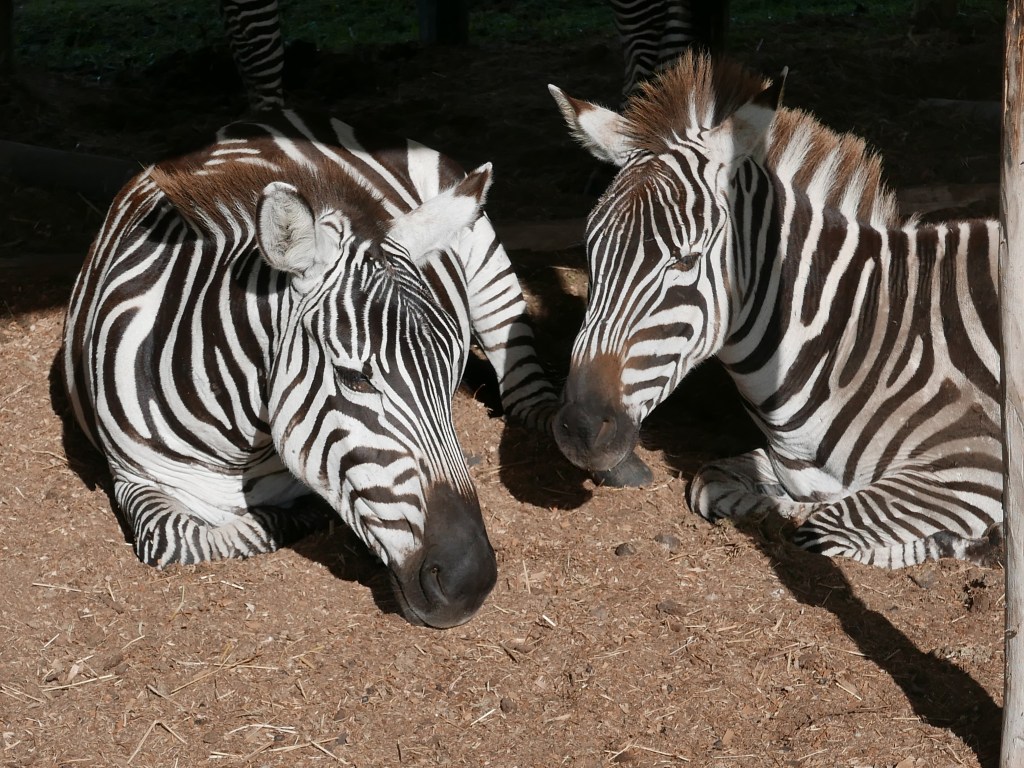
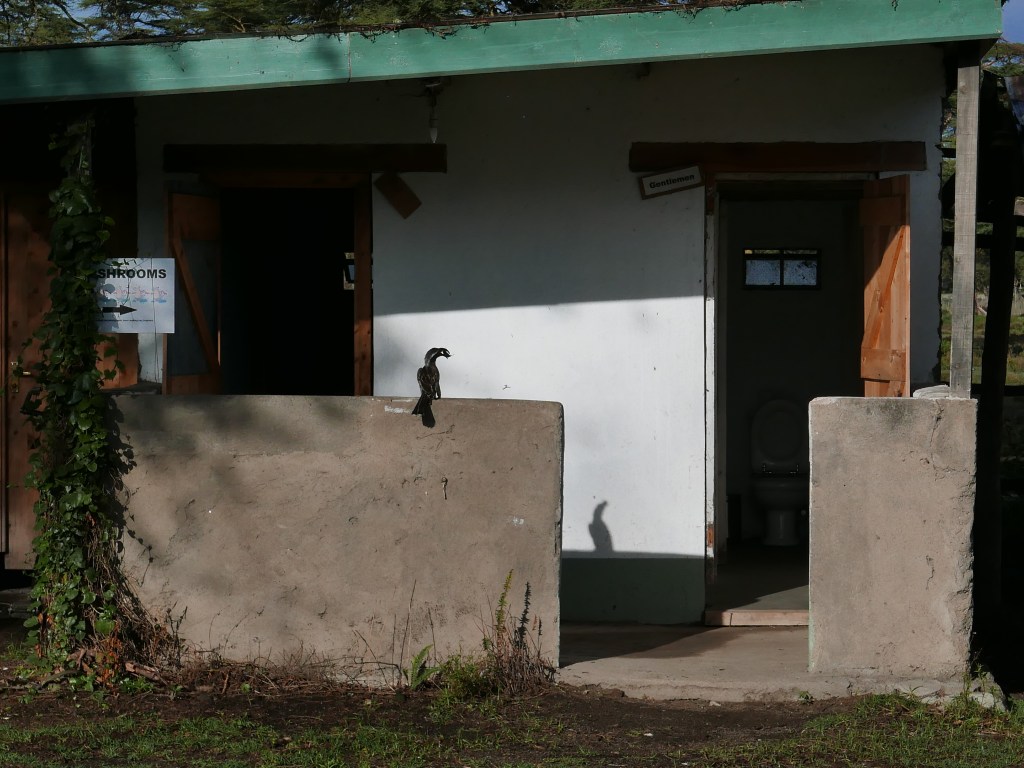
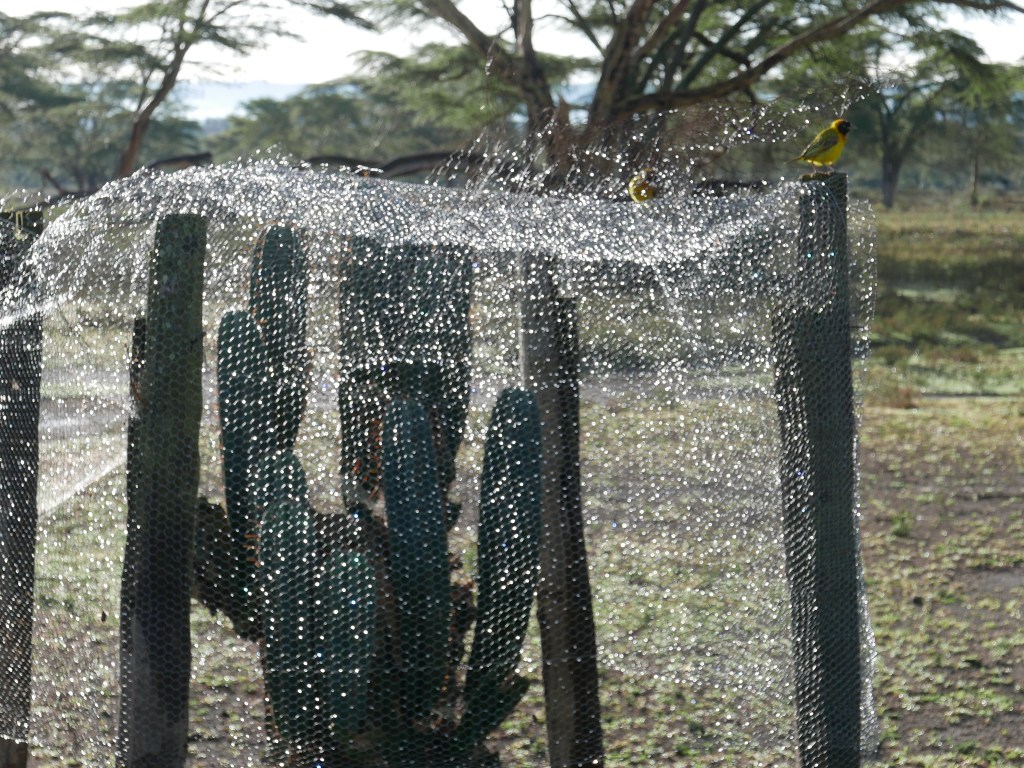
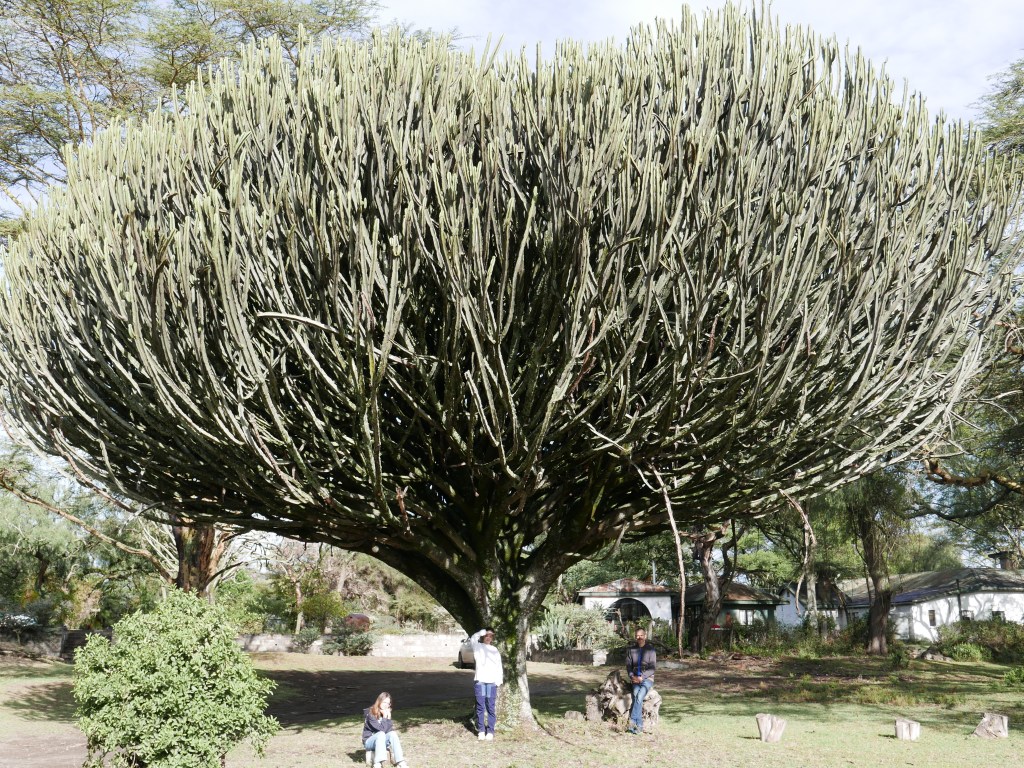
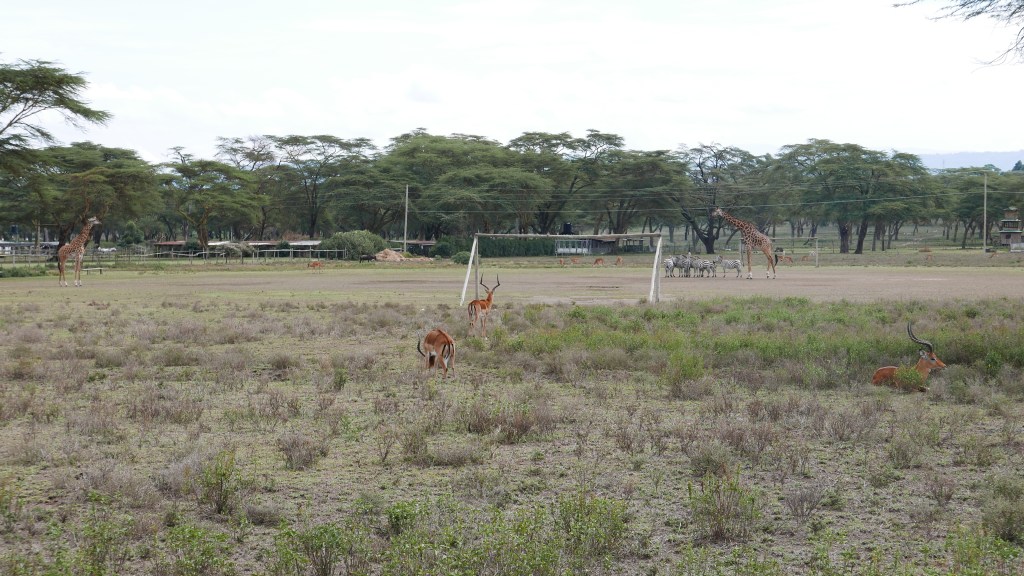
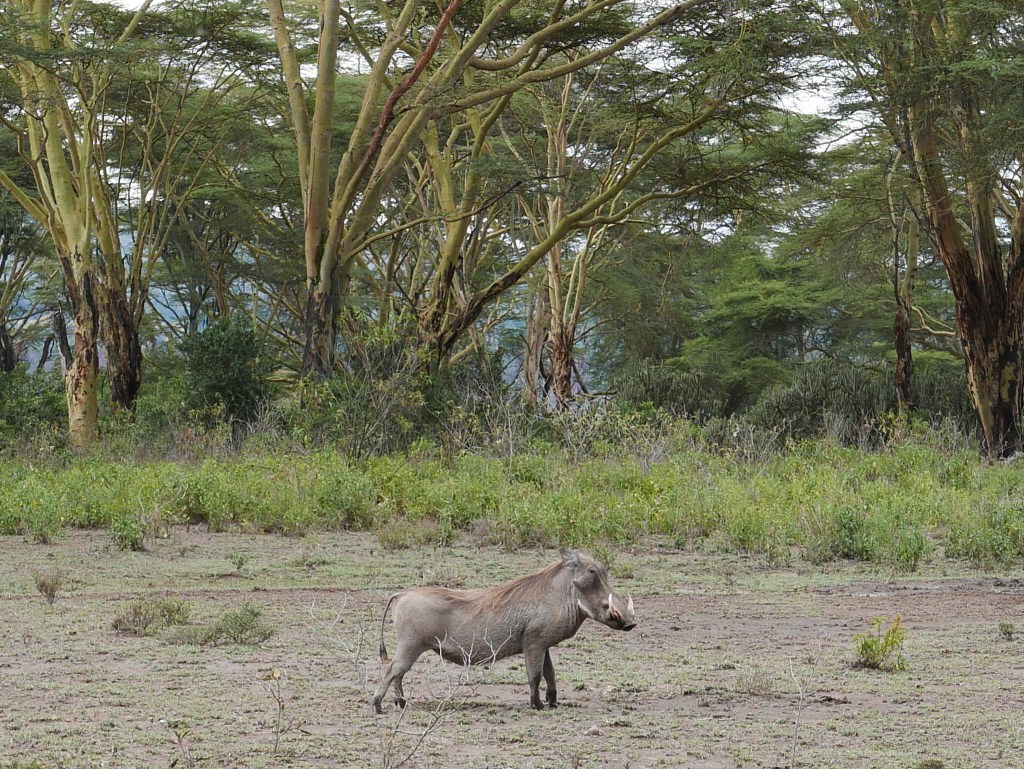
We spend time in Sanctuary Farm, where you can horse ride among giraffes and zebras. We take a walk on Crescent Island, which tree line bears heavy traces of the flood, and take a boat ride trying to keep at a reasonable distance from the hippos, while local fishermen literally risk their lives much too close from them.
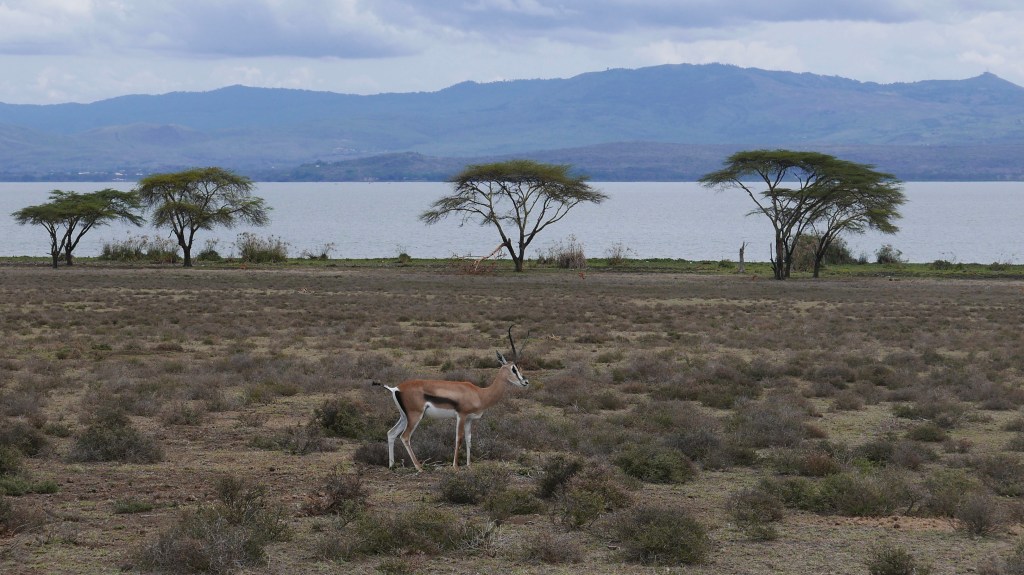
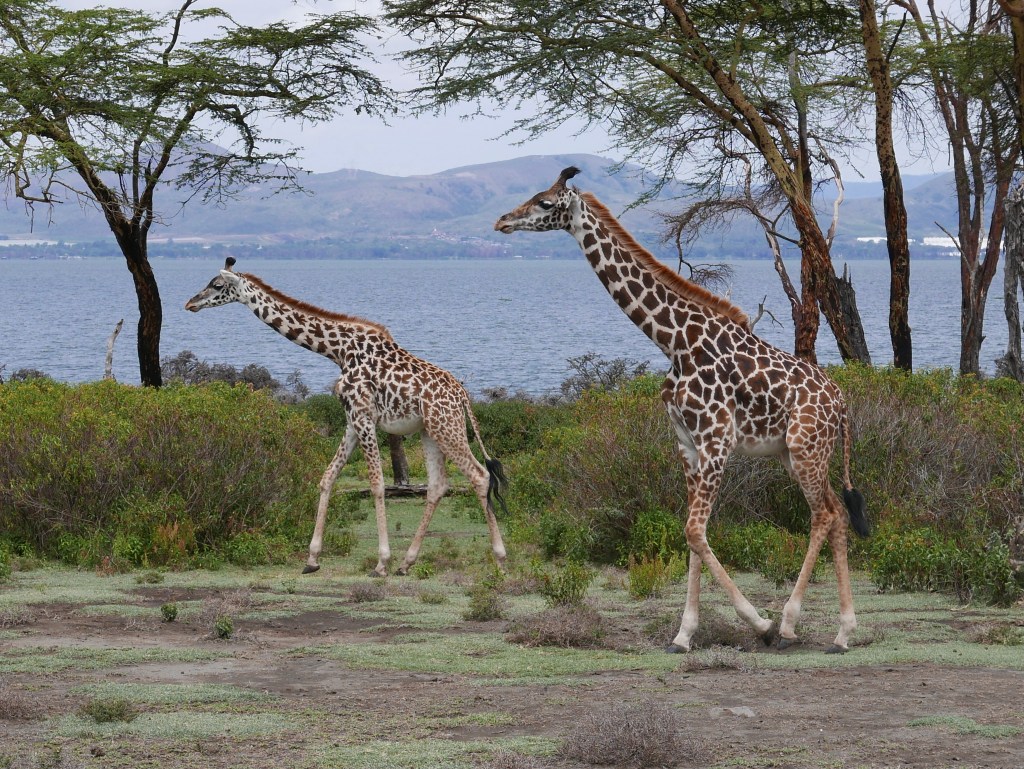
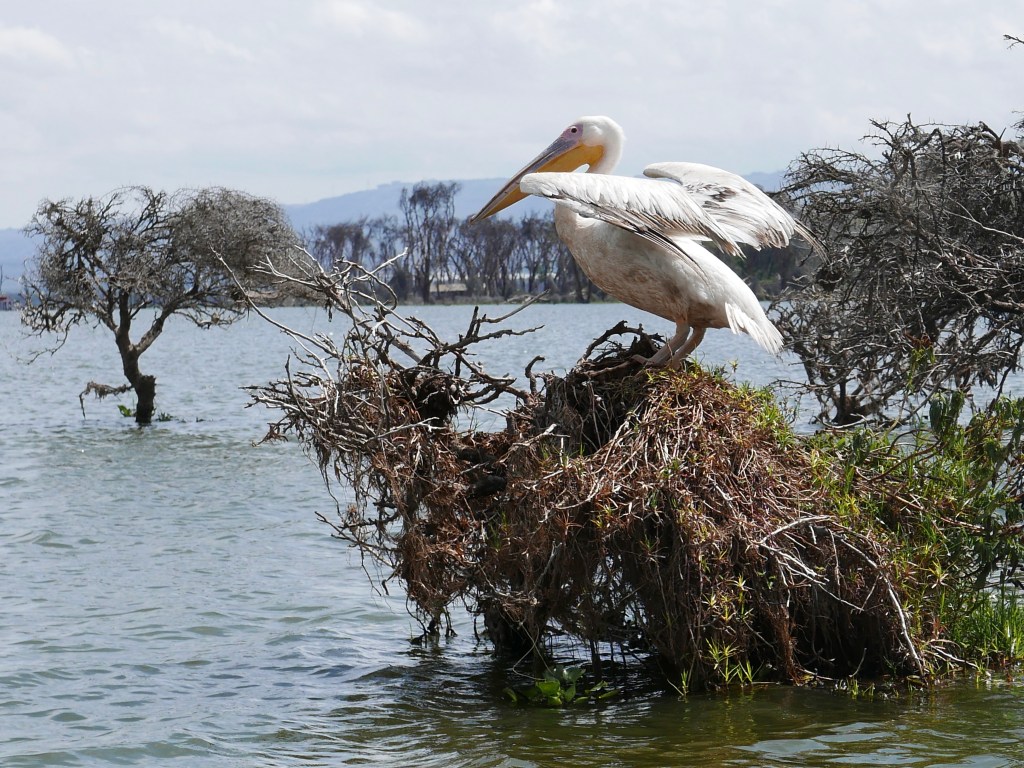
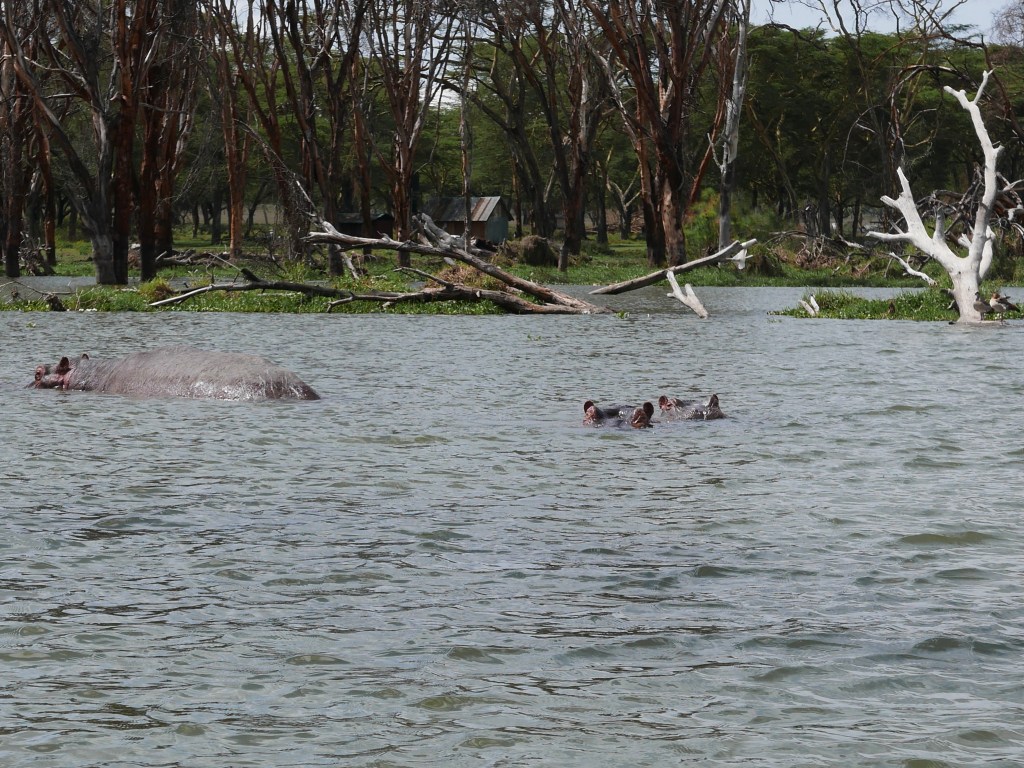
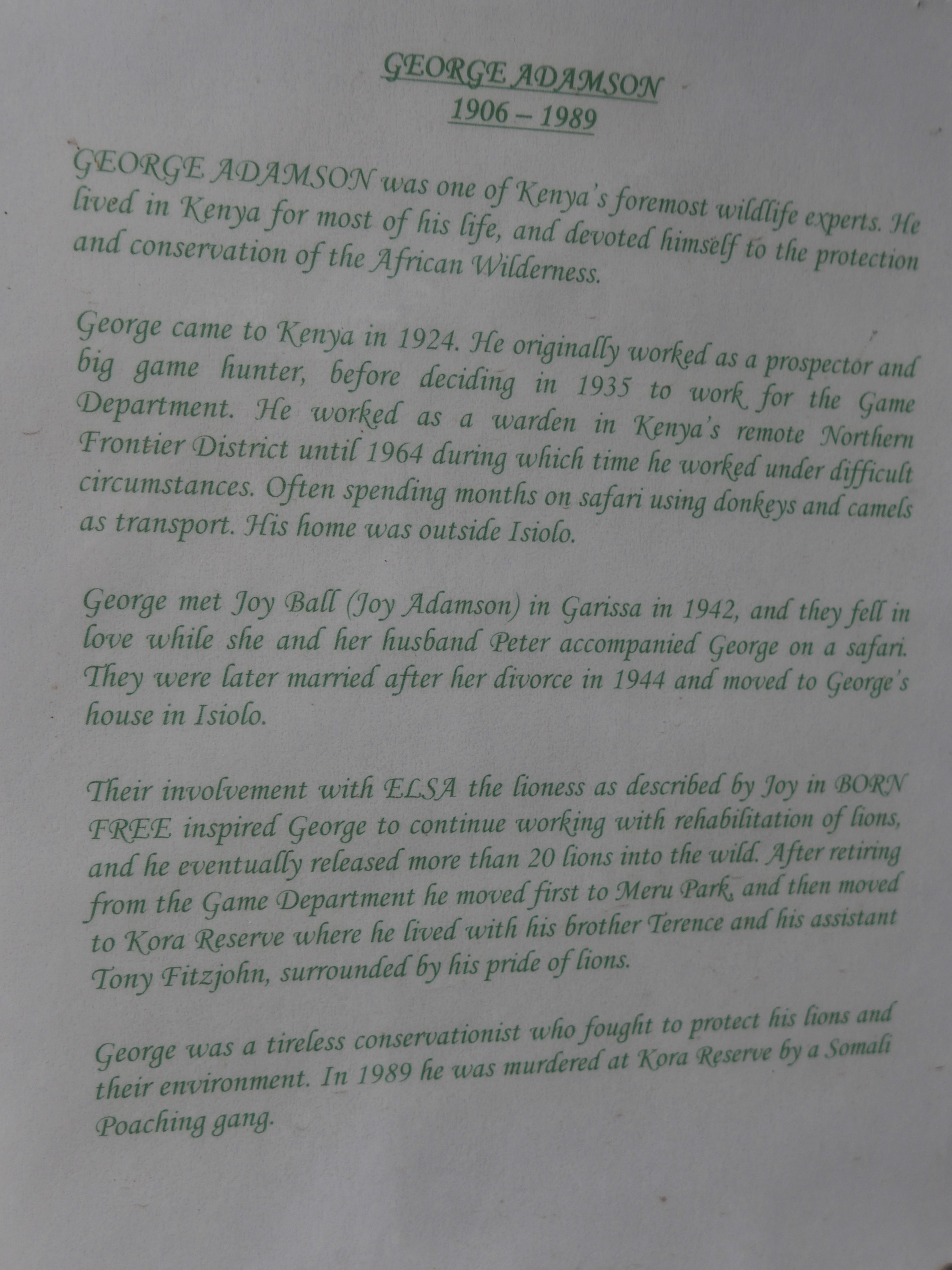
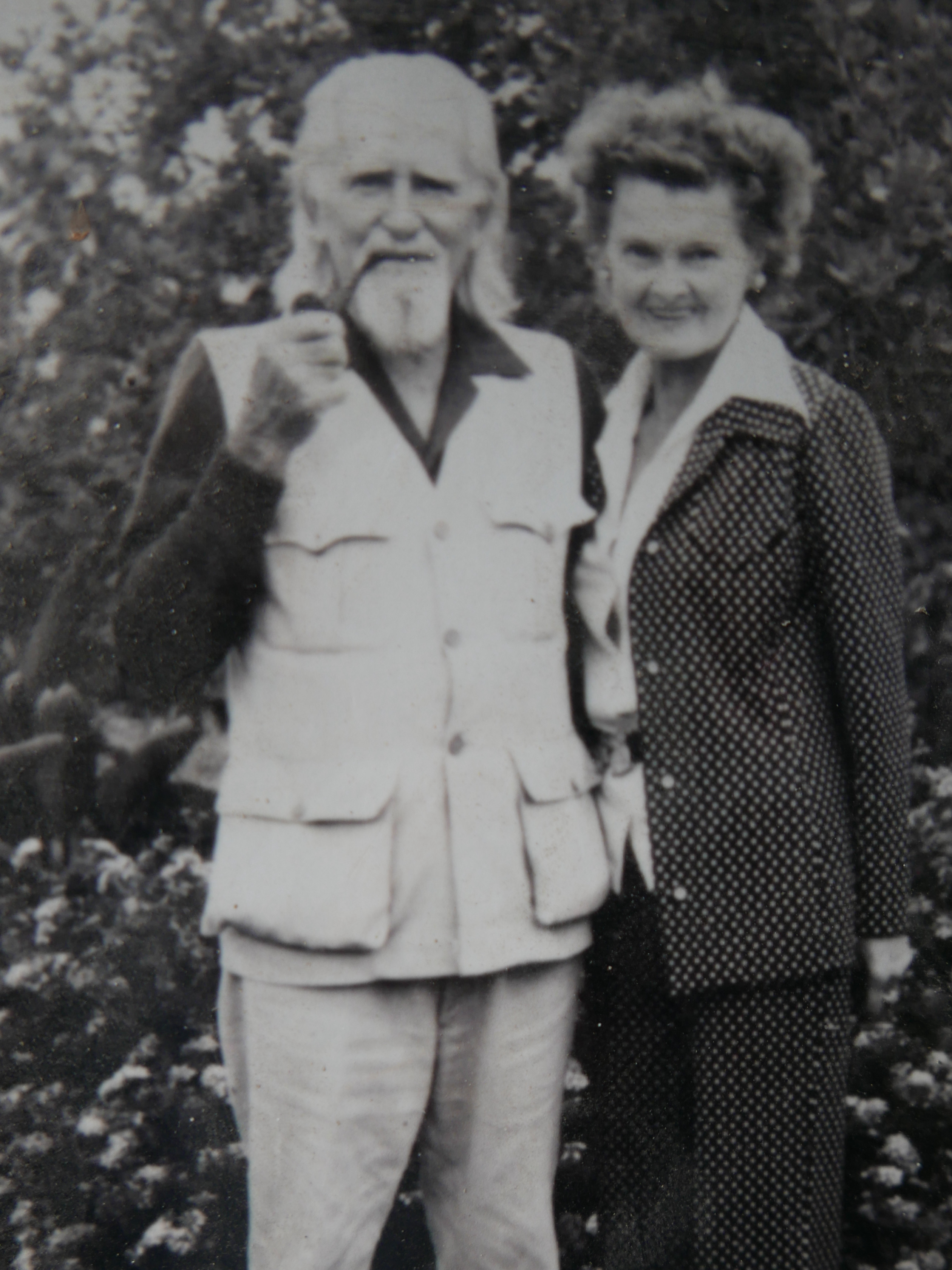
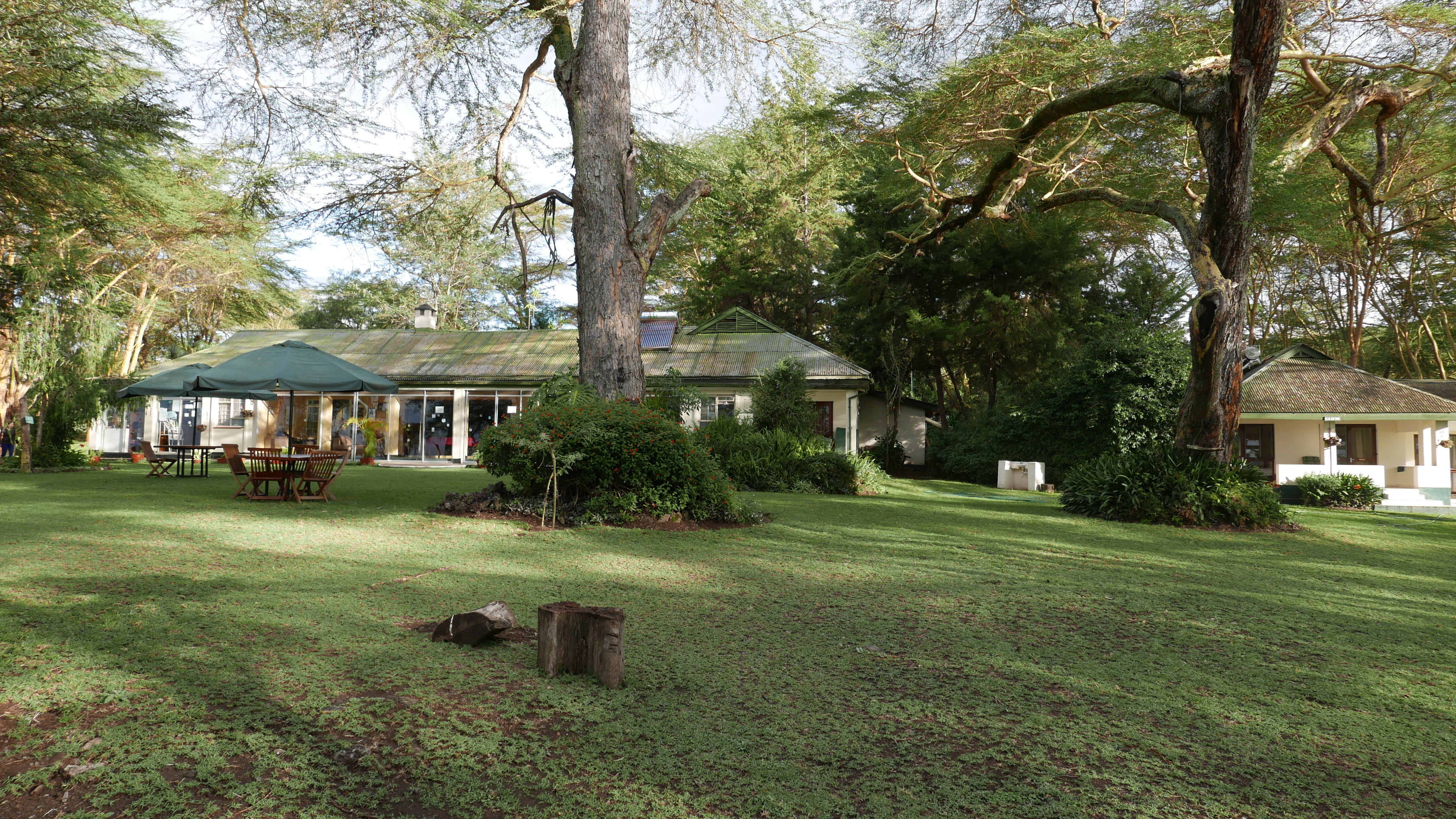
On the South shore of the lake, we visit the peaceful Elsamere museum, which used to be the house of George and Joy Adamson. They were among the first environmentalists on the African continent. George was a game hunter turned into a fierce conservationist who spent most of his life celebrating and protecting the natural wonders of Kenya. Joy was a talented painter – she started at a young age to make portraits of Kenyan people from remote regions and ethnies. She also wrote the best-seller “Born Free”, in which she describes her life in the bush with George raising a lioness called Elsa, and which was made into a feature film in 1966. George and Joy’s heritage is still very much alive for our generations to get inspiration from and in the Elsamere museum, through Joy’s paintings on the walls, dozens of authentic artefacts, as well as the very Land Rover in which George was murdered in 1989, we get as close as it gets to these two wild and supersized existences.
 Tanad stories from Gabon