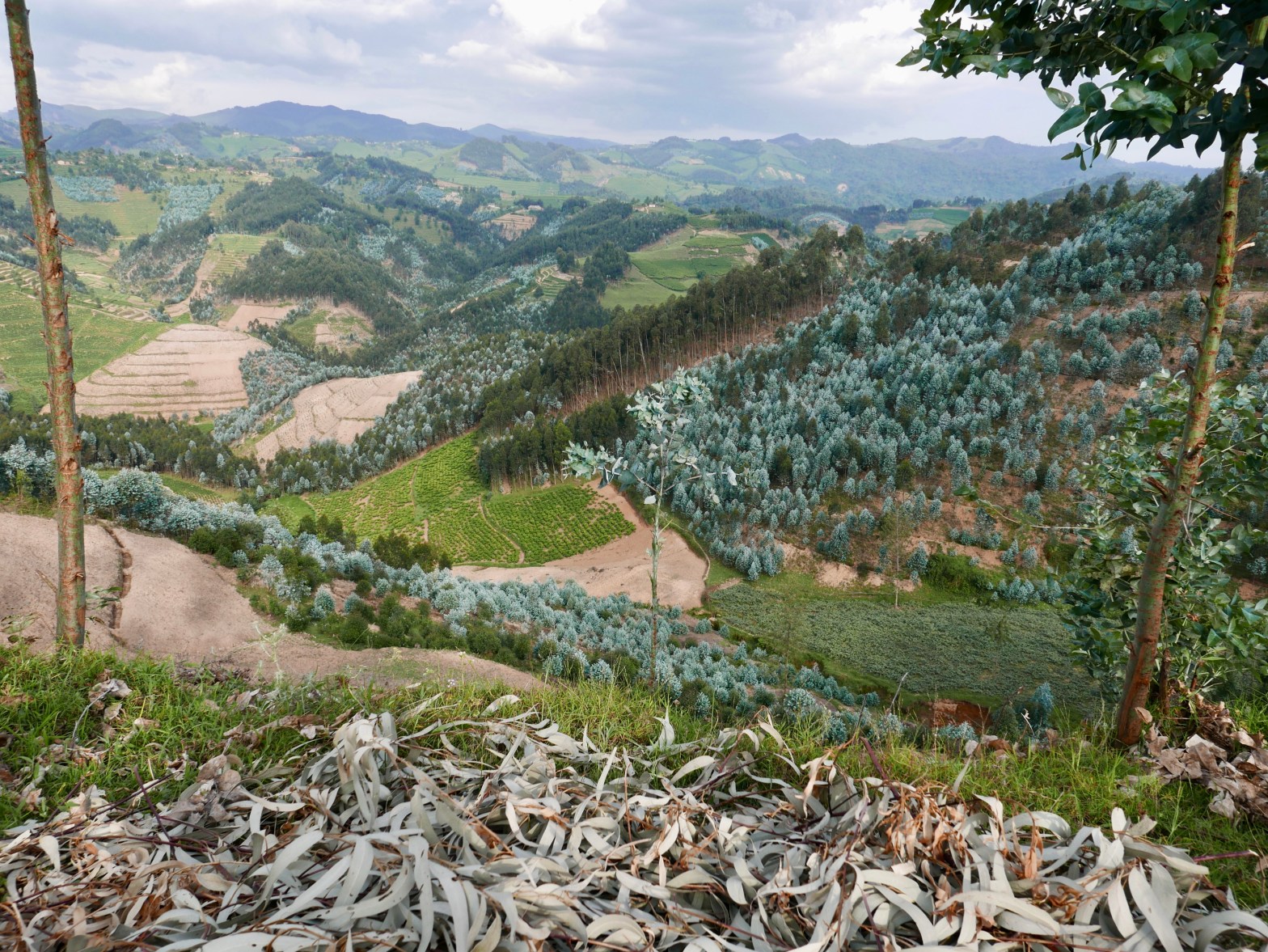
Our first day in Kigali is the last Saturday of October, and there is not much we can do in the morning: it’s Umaganda, a monthly national holiday for mandatory nationwide community work from 08:00 to 11:00. In the neighbourhood of our guesthouse, people are all busy cleaning up the dirt streets and gutters and the front of their houses with straw brooms and their hands. It’s all peaceful, there is not a single car running, the only thing we can hear is the chit-chat of the people at work.
Then at 11:00, the work stops and it’s time for the neighbourhood monthly council. A few dozen citizens gather on wooden chairs in front of a small shop and for an hour, they discuss the current issues in the neighbourhood and how to solve them as a community. Finally, around noon, the weekend can begin, the first cars get moving and people go about their business, while we are still pondering on what we have just seen: has it really happened for real or were we on a film set?
It’s indeed hard, if not impossible, to imagine this happening at a national level in Gabon nor in any country in Europe. But in Rwanda, Umaganda (which means “coming together in common purpose to achieve an outcome”) has been running 12 times a year since 2009. And the fact is, during our one-week stay in the country, we have not seen a single piece of trash or junk anywhere on the streets, not even a tiny piece of dirty paper. Rwanda is truly spotless and I would encourage any mayor (say for example, of Brussels, Paris or Libreville) to see it with their own eyes.
Our discovery of the country starts with the Genocide Memorial in Kigali, a difficult but necessary experience. Midway through our visit, as we have understood the roots of the genocide, seen and read how it unfolded, we find this simple sentence: “By the end of July 1994, Rwanda was dead.” Everything that we will see in Rwanda in one week seems to testify that what has happened since then is nothing short of a miracle.
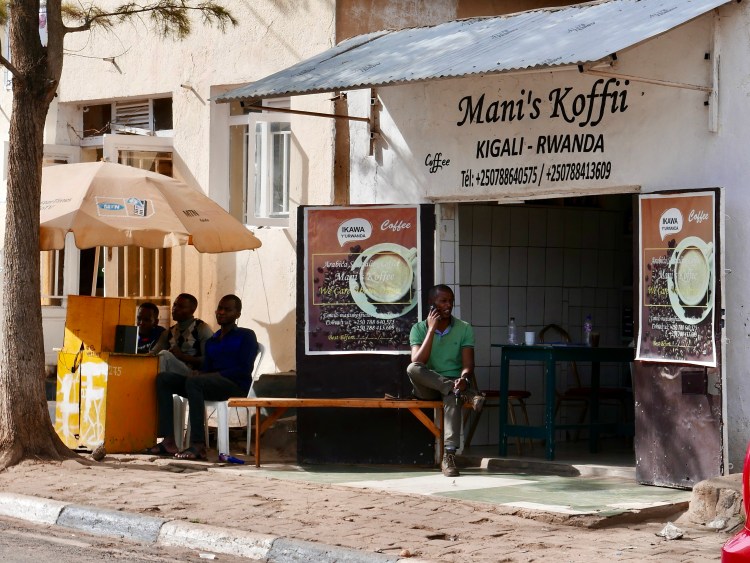
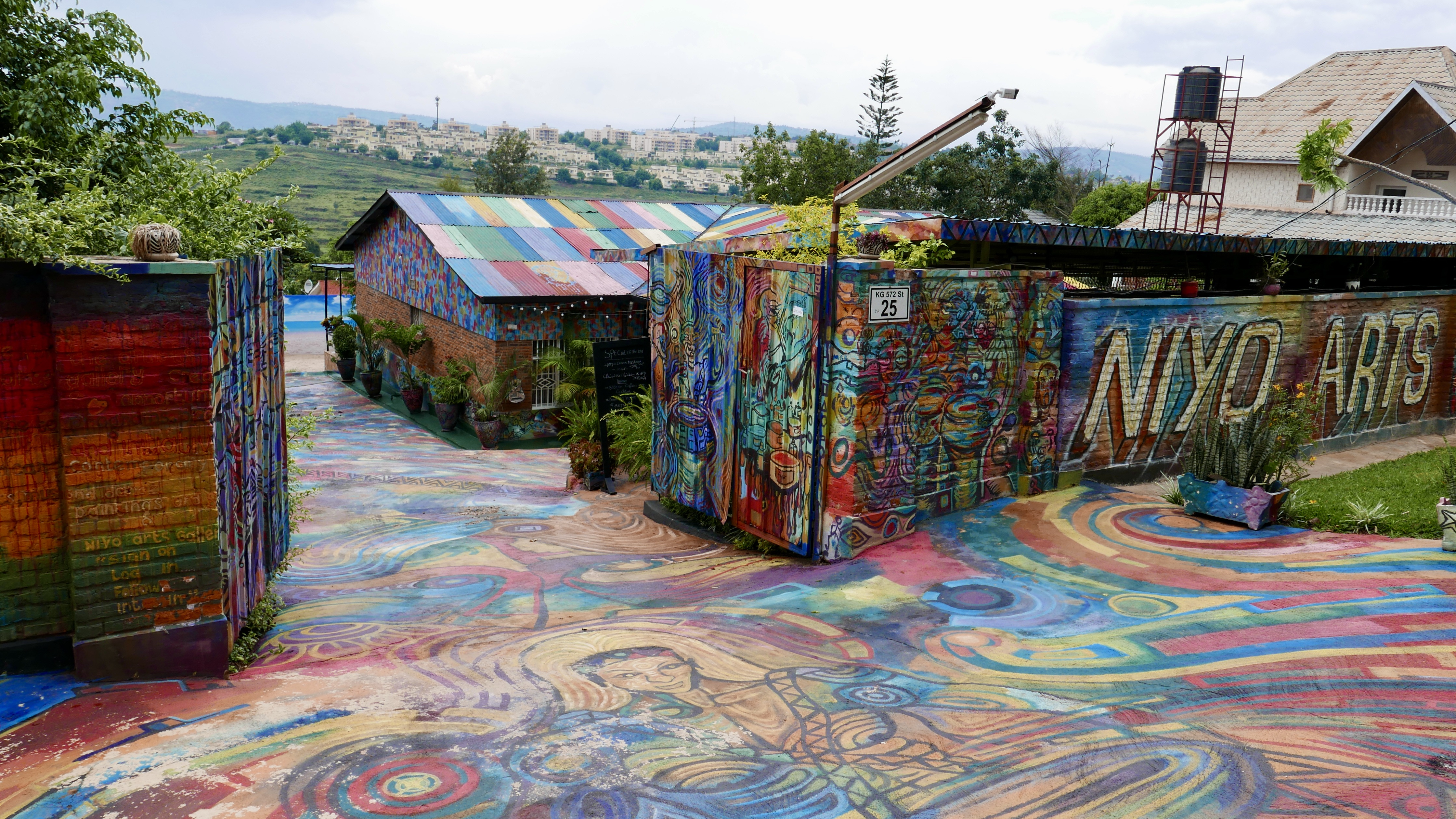
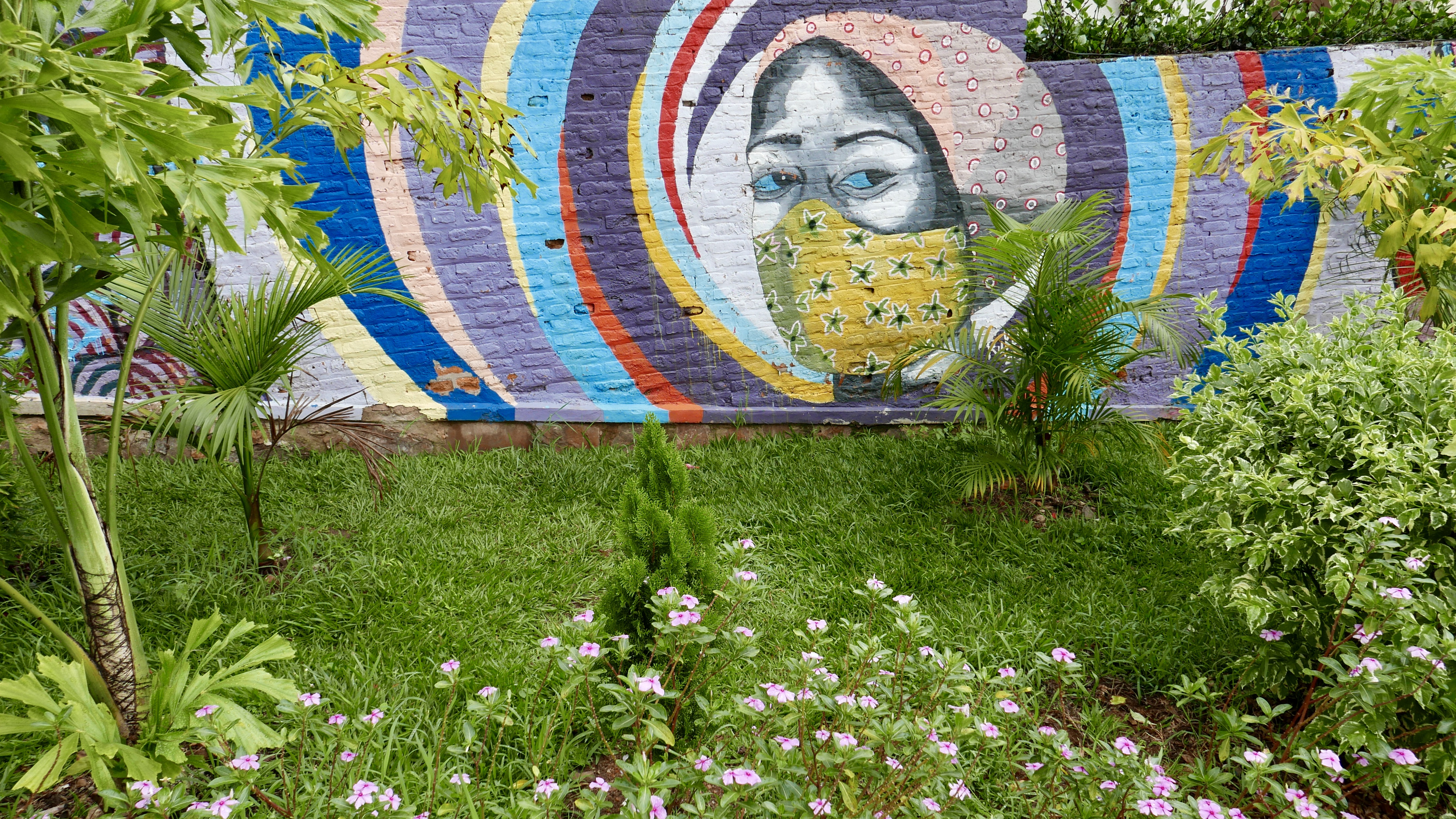
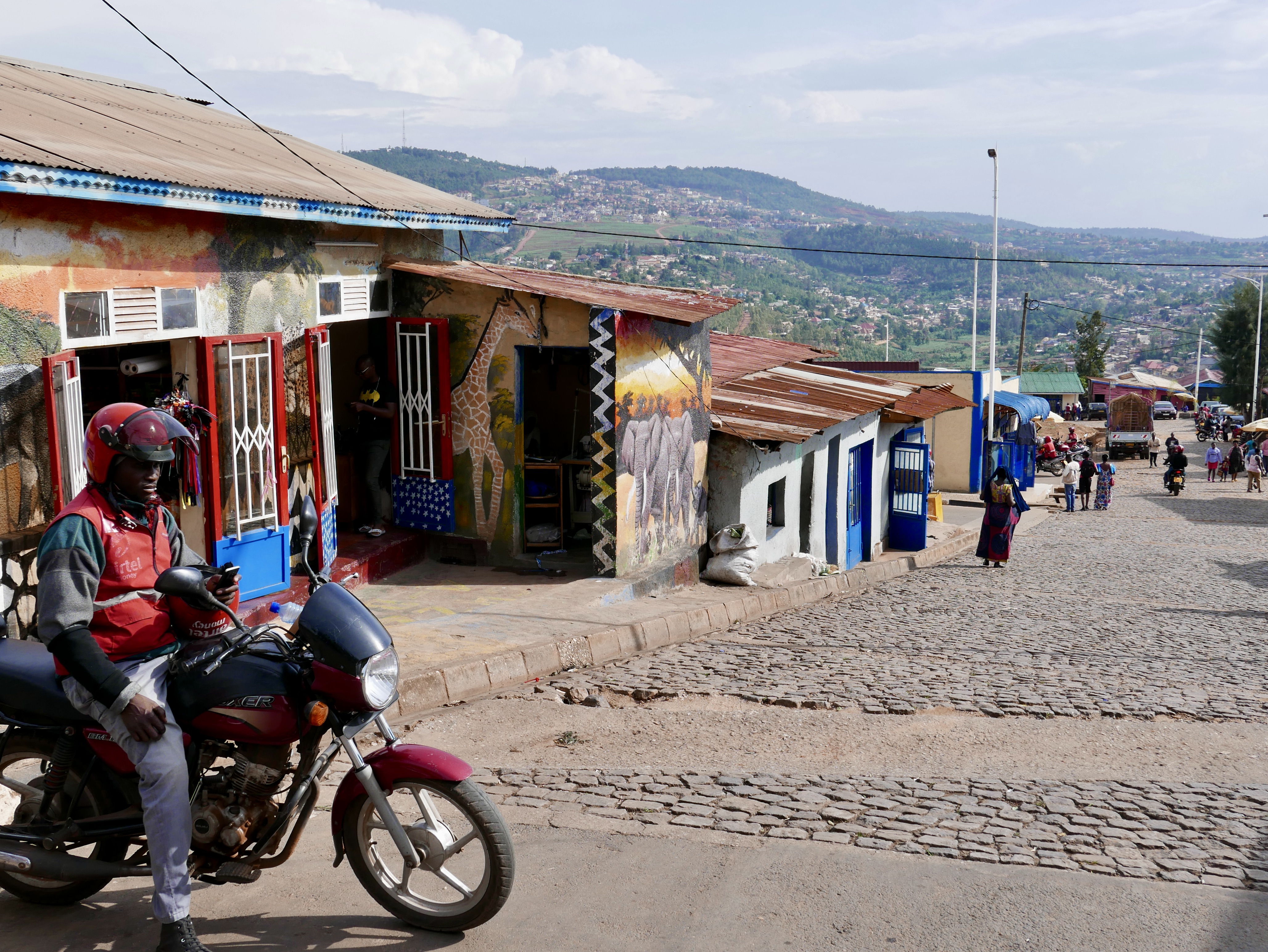
The country is called “Land of a thousand hills” and at least a few hundreds of them are in Kigali. Cars keep going up, down and along narrow curves and green avenues. It’s incredibly busy but has a laid-back vibe. It’s modern and well-organised, packed with fancy hotels and restaurants, art galleries and crafts shops. As I develop the bad symptoms of malaria in the middle of our second night (fortunately I carried the treatment with me and took it right away, so I got better in the morning), I even get to test the local private hospital, which looks like a spacecraft by any Gabonese standards and fares as well as any European hospital.
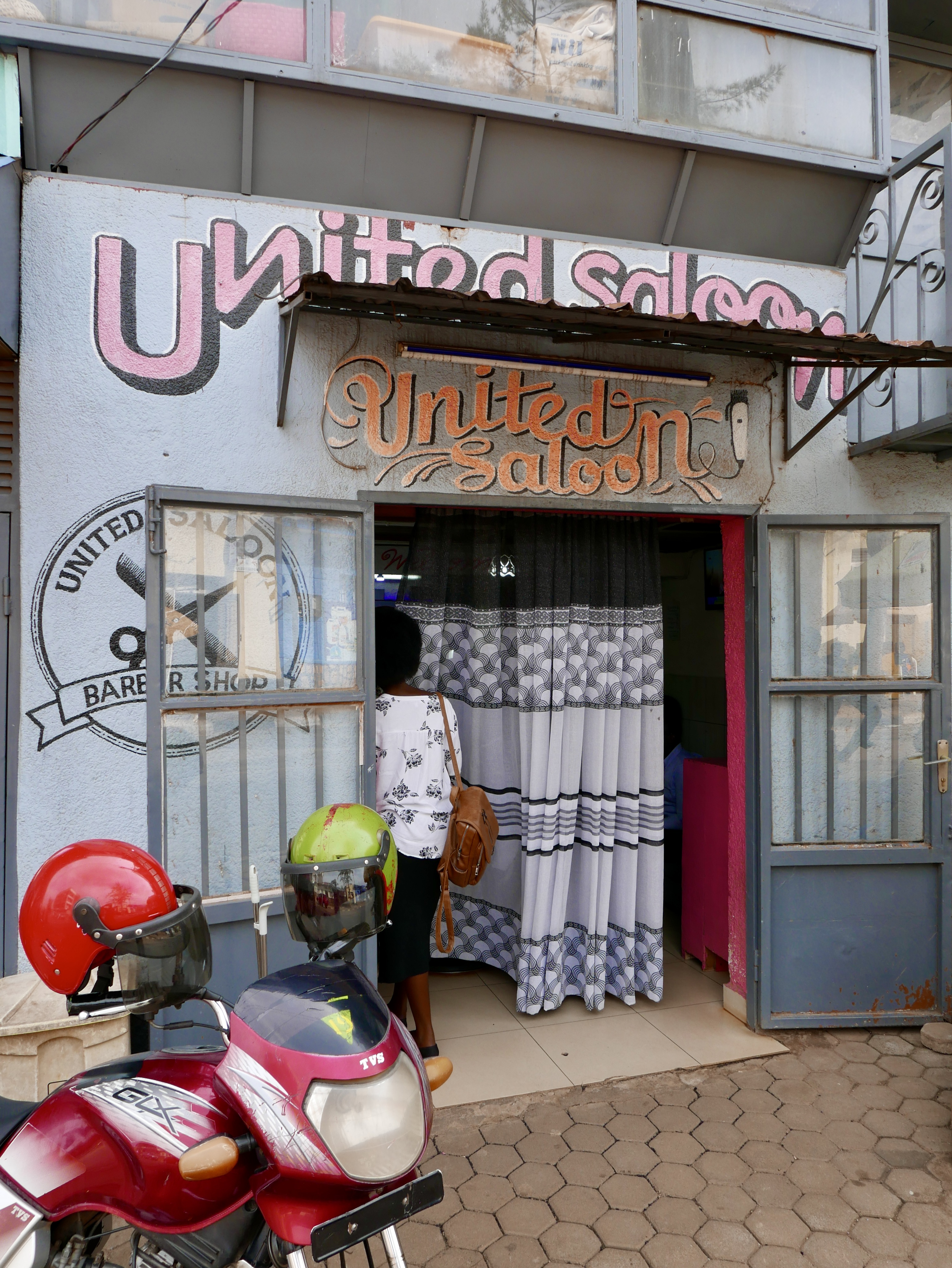
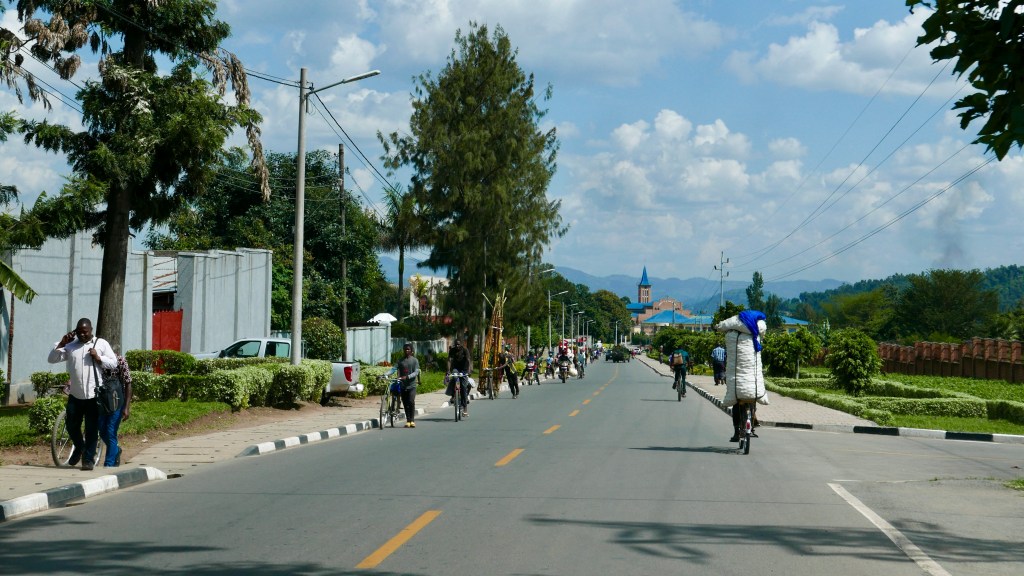
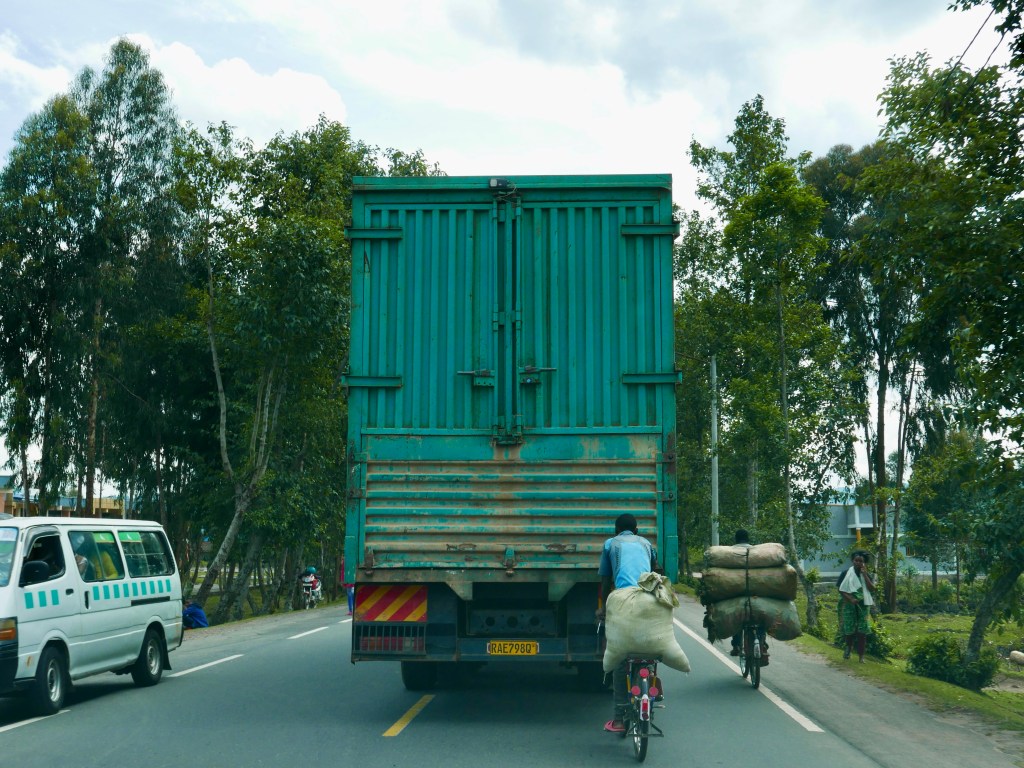
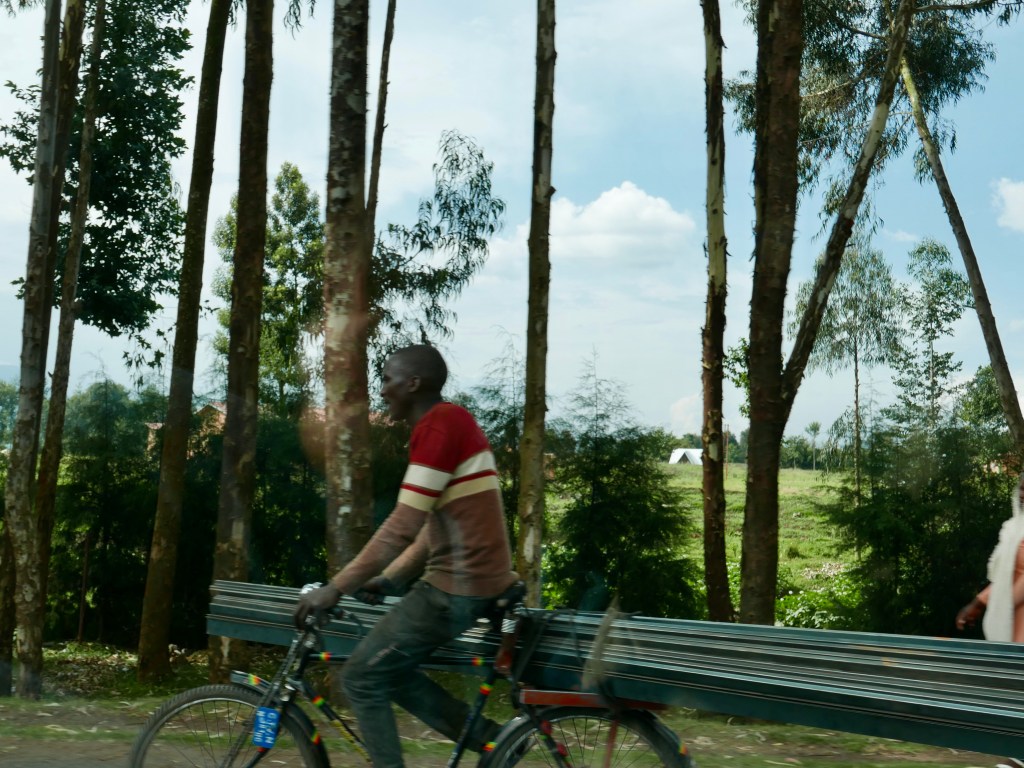
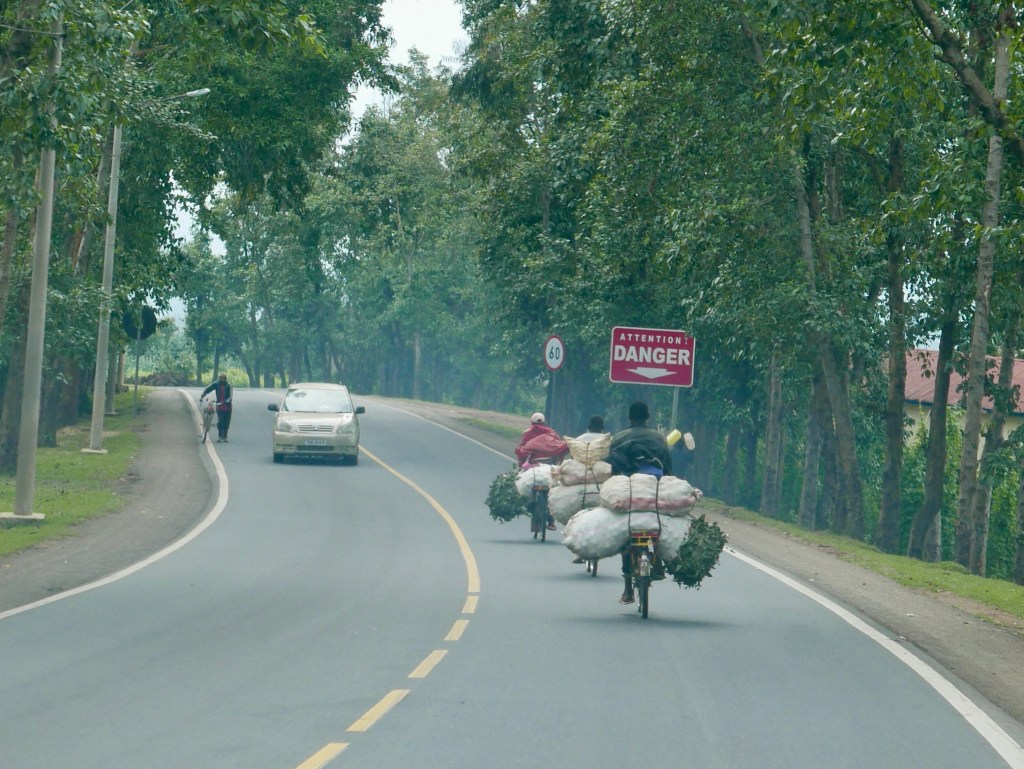
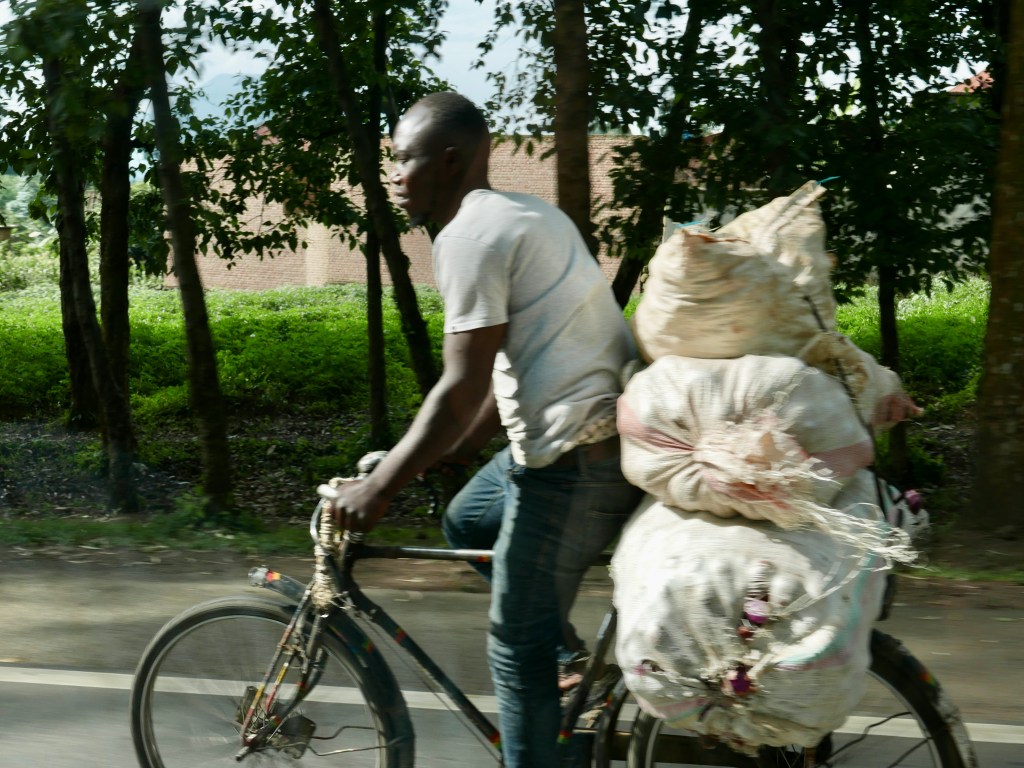
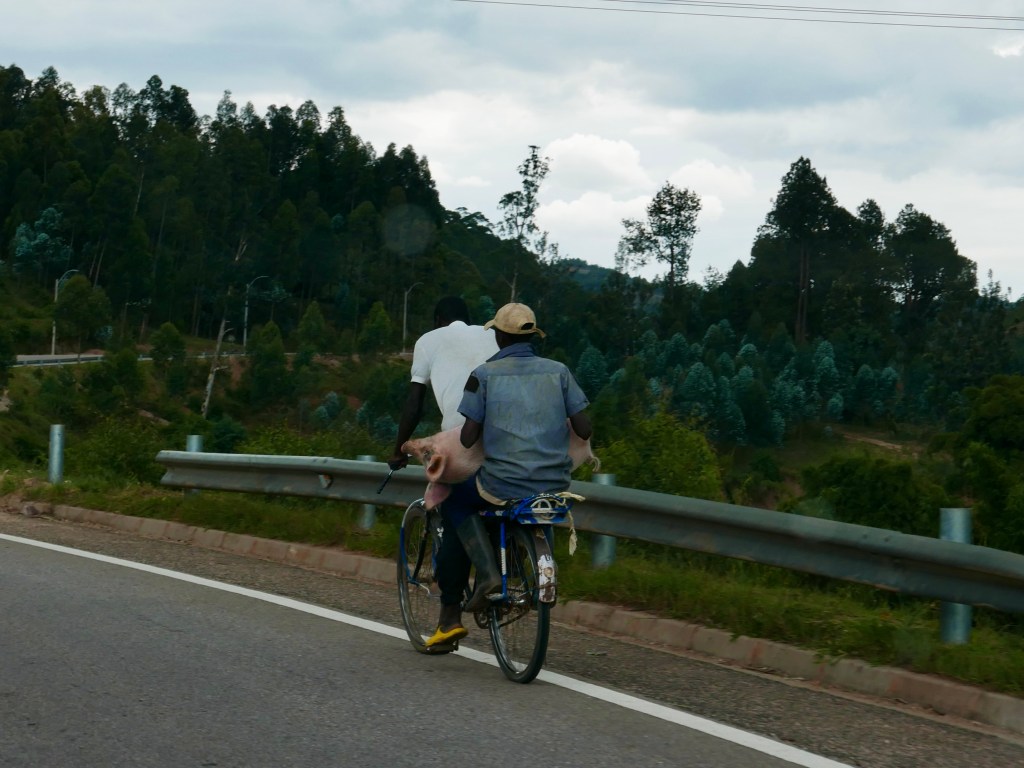
It’s a real delight to drive through Rwanda and it’s even better when you have a driver, because you can enjoy the friendly scenery and the permanent show without any stress. Indeed, once you leave Kigali, the city stops, but not the crowds: people are everywhere on the side of the road or in the fields, and they are all working hard. Rwanda is a tiny country, slightly smaller than Belgium but with more than 13 million inhabitants and a strongly growing population, aiming at self-sustainability in the agricultural sector. So apart from a couple of pristine national parks, it looks like every single hill, every single piece of land is cultivated – in a smart and sustainable way, with small plots and a wide diversity of fruits and vegetables on each plot, very far from the destructive monocultures we are used to in Europe. From one village to the next, all kinds of goods are moving on bicycles often overtaking our car at the craziest speed, whilst our driver needs to carefully watch ours as there are speed cameras every kilometre or so.
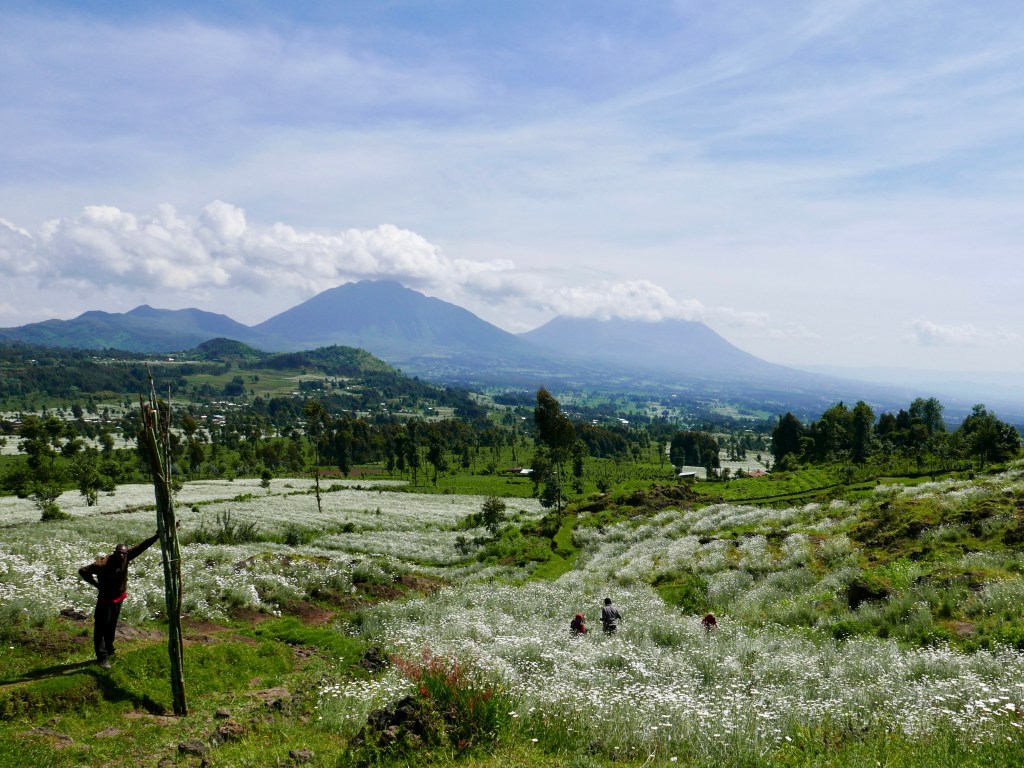
The Volcanoes National Park is located at the border with Uganda and the Democratic Republic of Congo. It encompasses five of the eight volcanoes of the Virunga mountains, which make for a both peaceful and spectacular scenery. Most visitors come trekking here to meet with habituated groups of mountain gorillas. We do not feel like it, not only because the permit costs $1,500 per person, but also because we do not want to disturb them and we are perfectly happy with simply visiting their natural habitat. After crossing gloriously white pyrethrum fields, we enter the national park. A few hundred meters later, the family splits: I stay with Milla and Flora, we team up with a group of more than twenty rangers on a training and head towards the remnants of the Karisoke Research Center, while Fruzsi stays with two rangers and three European visitors for the walk up to the crater of the Bisoke volcano.
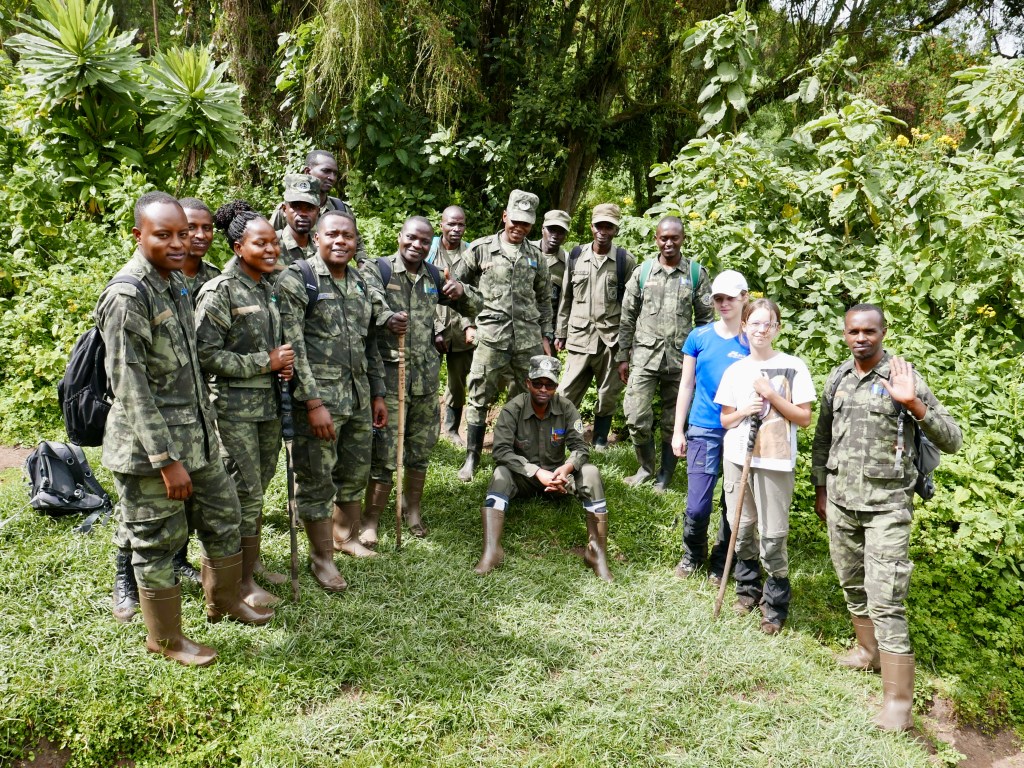
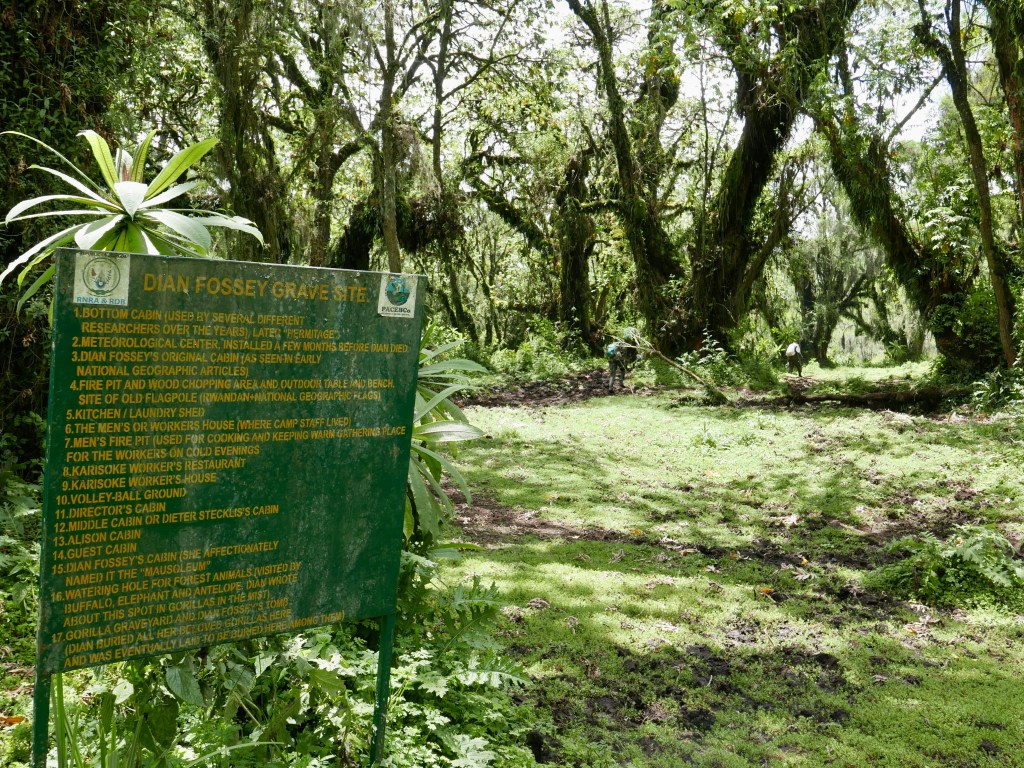
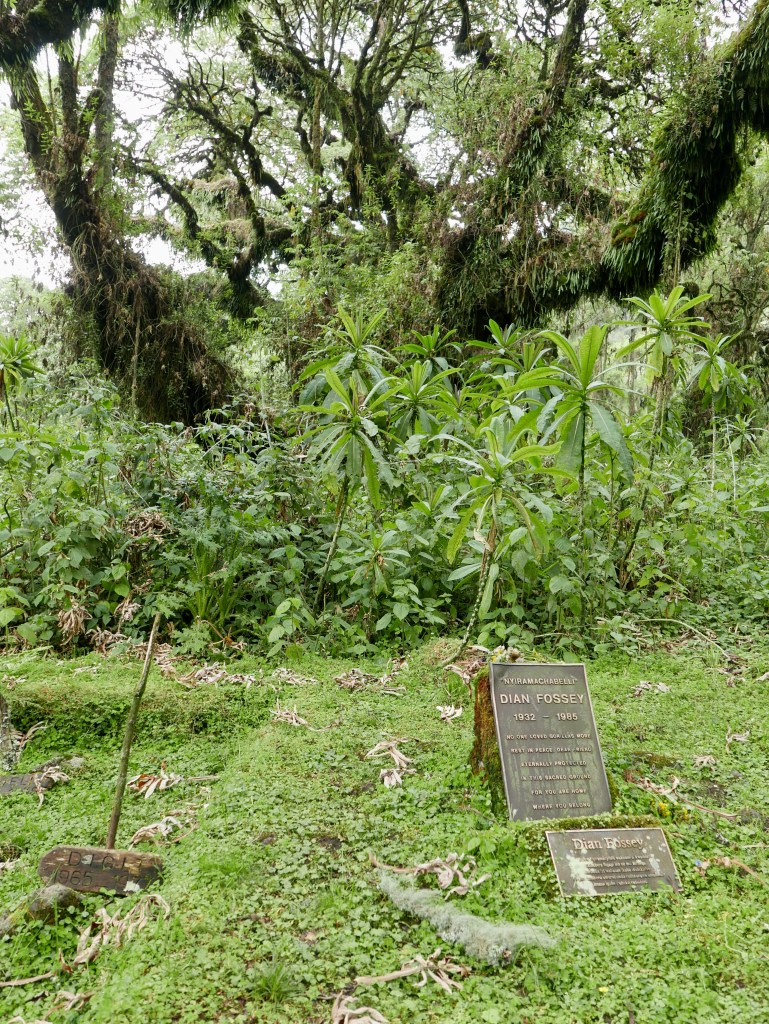
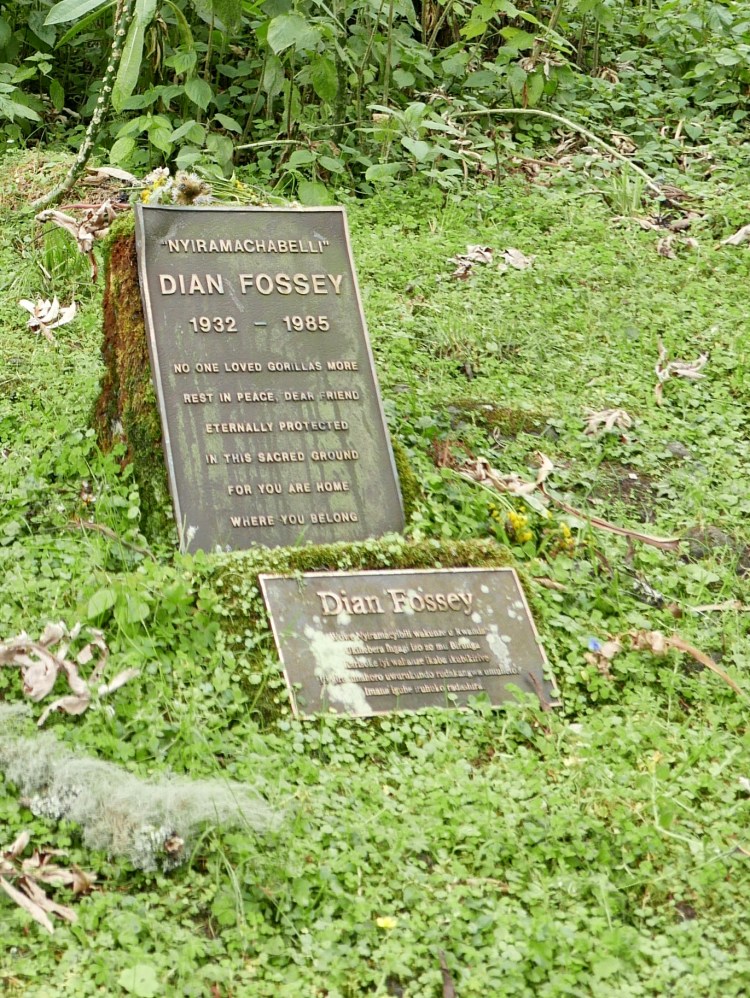
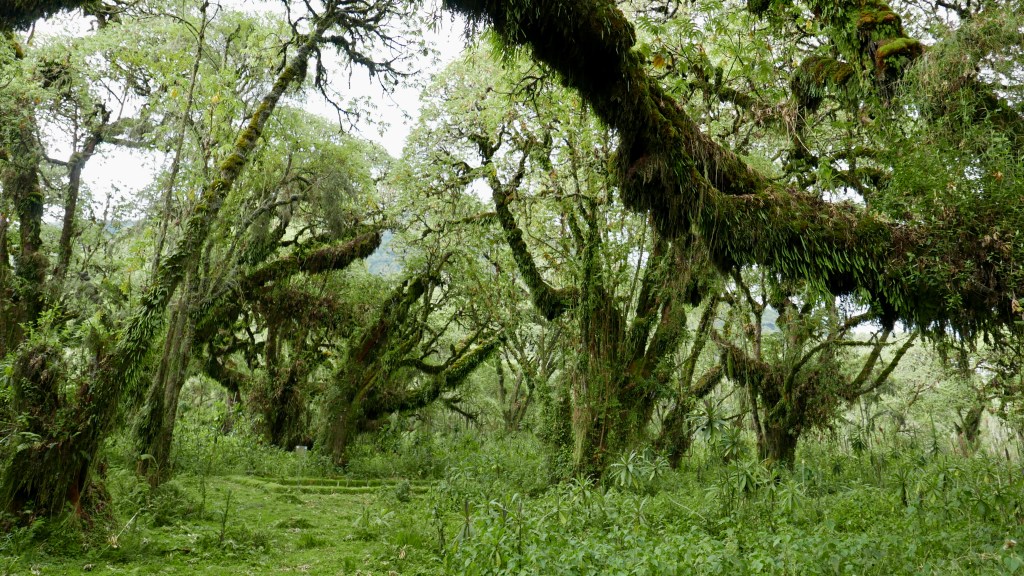
The Karisoke Research Centre was founded by the American naturalist Dian Fossey, the lady thanks to whom the mountain gorillas still exist today, and whose life and work were made world famous by Michael Apted in the film “Gorillas in the mist”, starring Sigourney Weaver as Dian Fossey. Not much remains from the centre apart from the foundations of a couple of houses that were built there back in the 60’s and 70’s by Fossey and her team. But the thick rainforest and green curtains falling from the trees surrounding us, and the head of the ranger team’s deep knowledge of the place and Dian Fossey’s lifework manage to bring to life this piece of African history for us. After being murdered there in 1985, Dian Fossey was buried in the back of her camp next to a dozen of the gorillas she studied and lived with throughout her stay in the Rwandan mountains, the most famous of whom was called Digit. There is something deeply soothing, almost church-like, emanating from the peaceful gravesite. We feel especially lucky we could make it here, as the border with DRC lies a few hundred meters away and access to the site is often prohibited to visitors given the ongoing tensions in the North Kivu region.
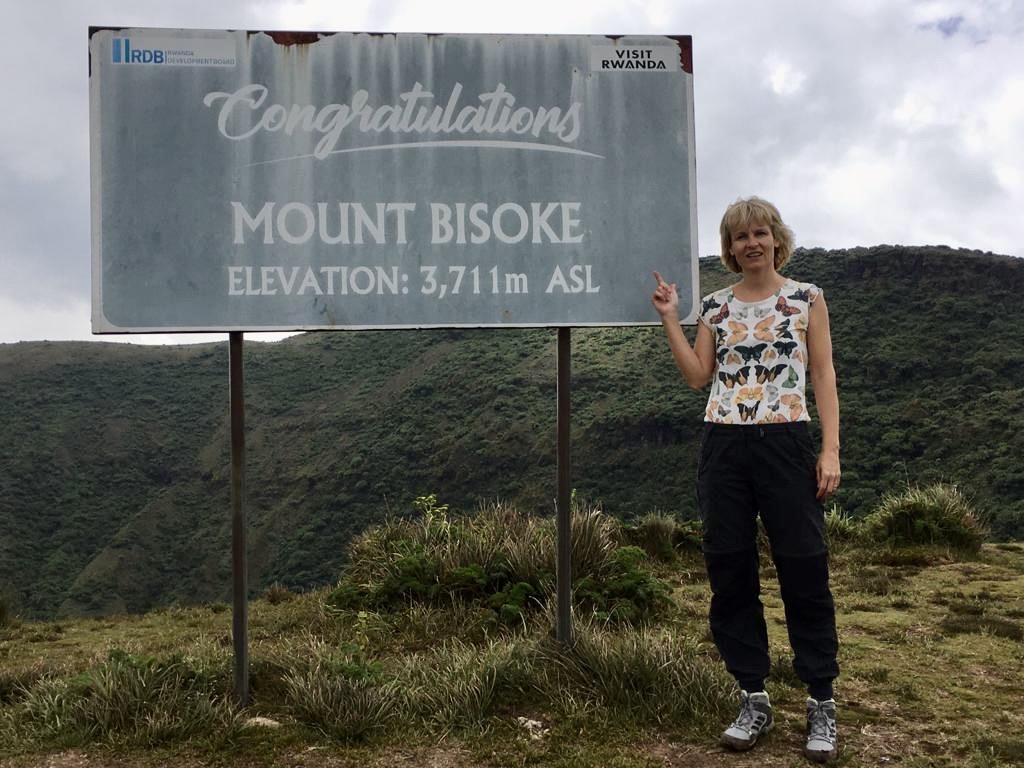
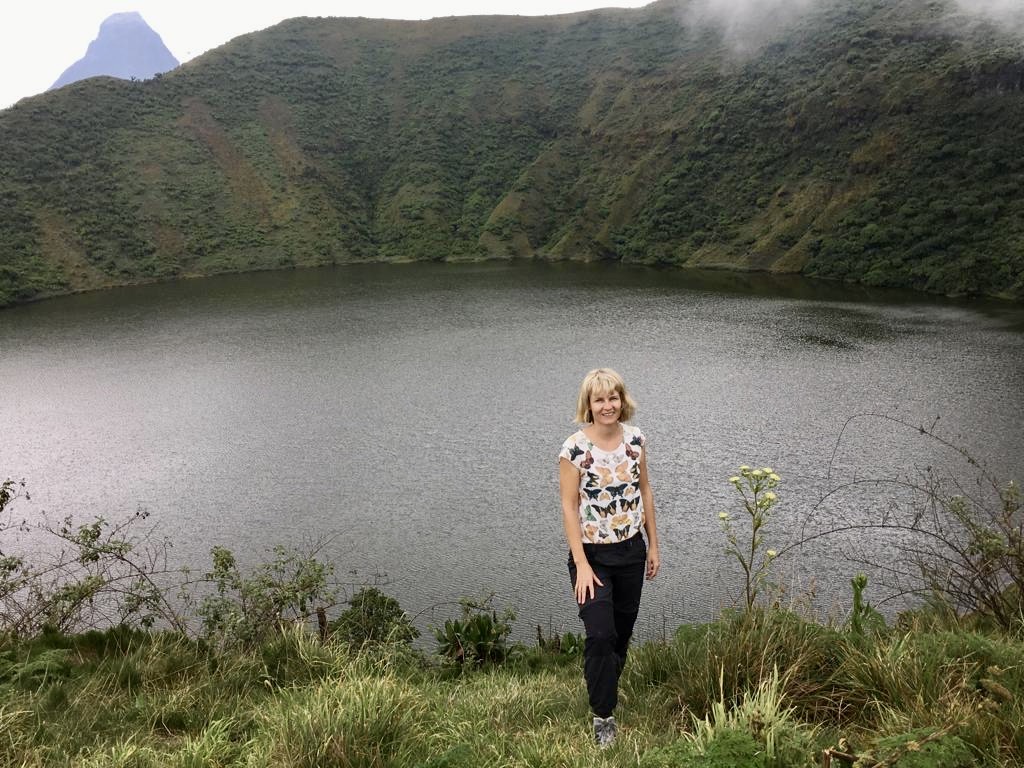
Meanwhile, Fruzsi has reached the crater of the volcano, after 3 gruelling hours of a trek that verged towards heroic alpinism at its end. Two of her three team mates gave up halfway: too hard, too steep, too rocky. With a sense of care and anticipation reminiscent of many of our Gabonese experiences, the rangers had told them it would only take a couple of hours, and omitted to mention that the height difference exceeded 1,200 m, and that it may be smart to bring more than a small bottle of water and an apple if they want to make it to the top. Because the top actually lies at no less than… 3,711 m!
The next day, we are in the small town of Kibuye, watching the sun set over Lake Kivu and DRC in the background. We have seen the children walk back home from school, now there are just fishermen on their boats. From our balcony, it’s impossible to imagine that chaos rules on the other side.
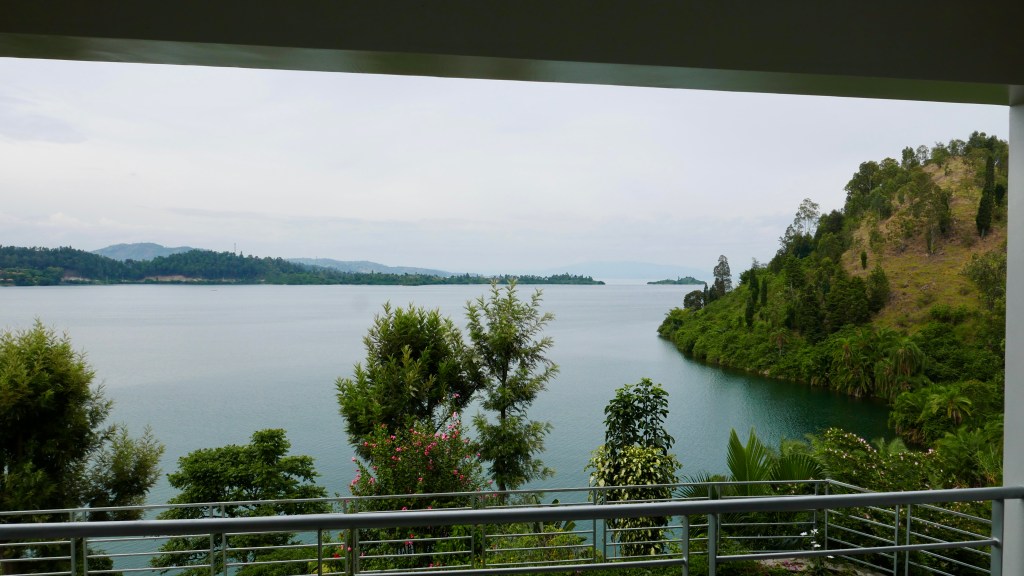
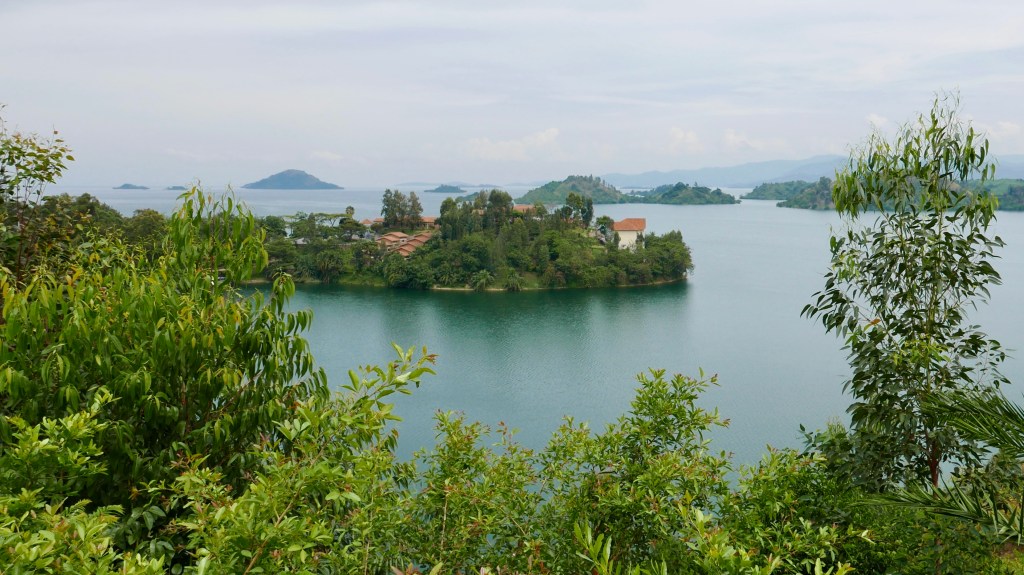
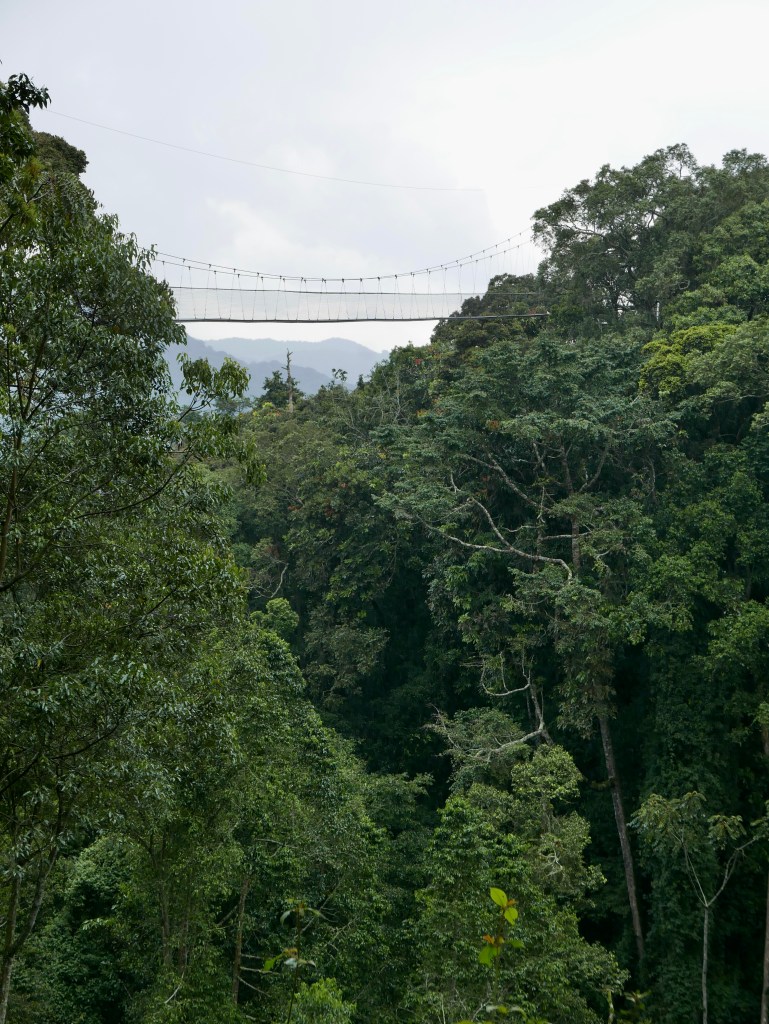
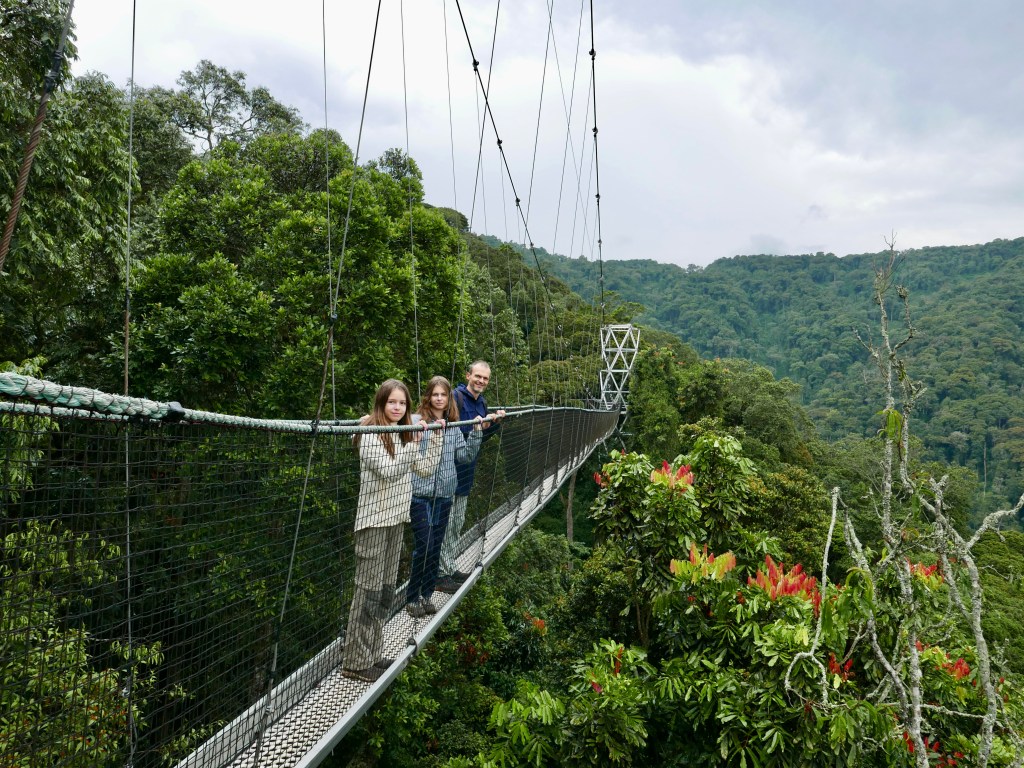
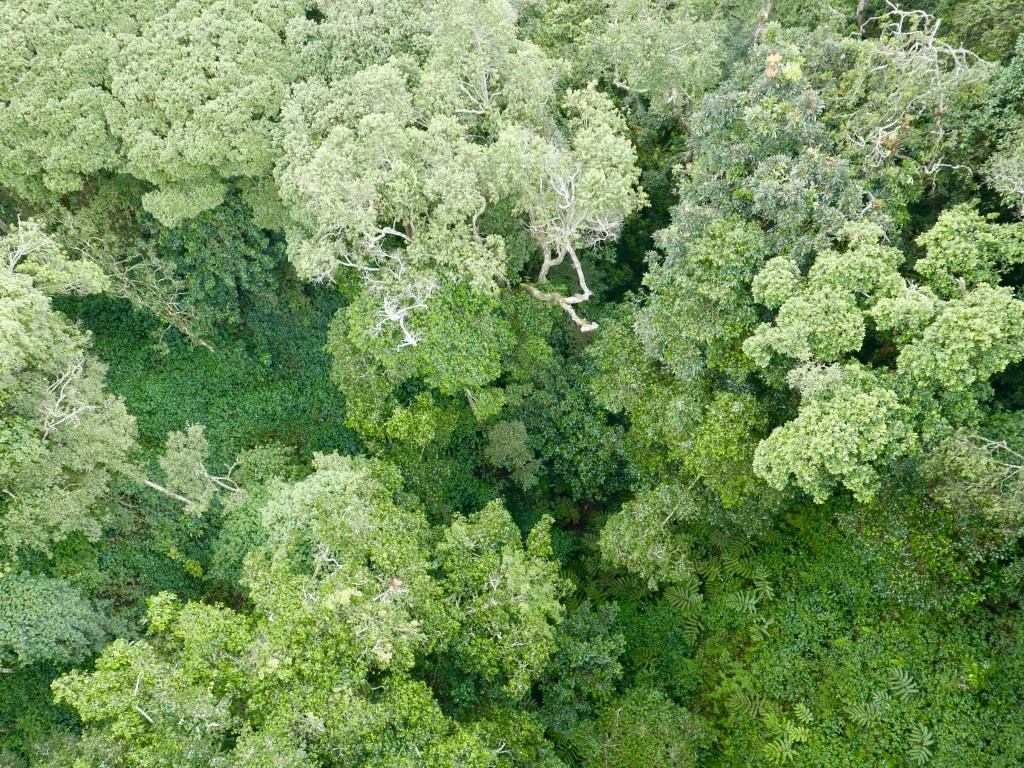
Order and beauty discreetly prevail in Rwanda, and later in our round trip, the endlessly curvy roads, the uncountable green hills, the majestic tea plantations on the South side of the lake and the shrouded in mist mountains and primary forest of the Nyungwe National Park keep us under a constant spell. Locals always do their best to make us feel welcome and advertise for their country, which they know is one of the very few in the region that is going into the right direction. And to top it all off, it’s a bit cold outside, which feels nice when you live in Gabon.
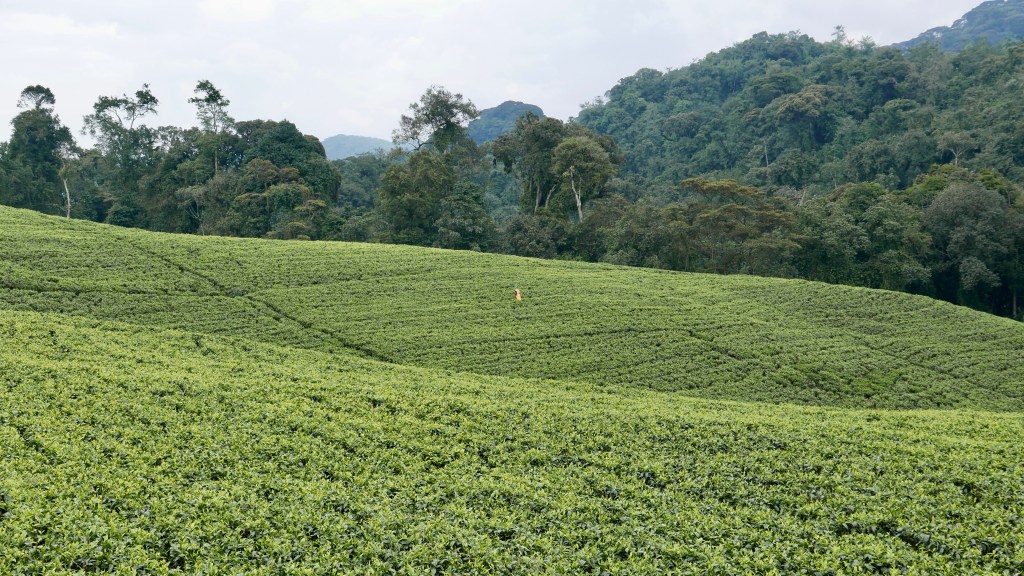
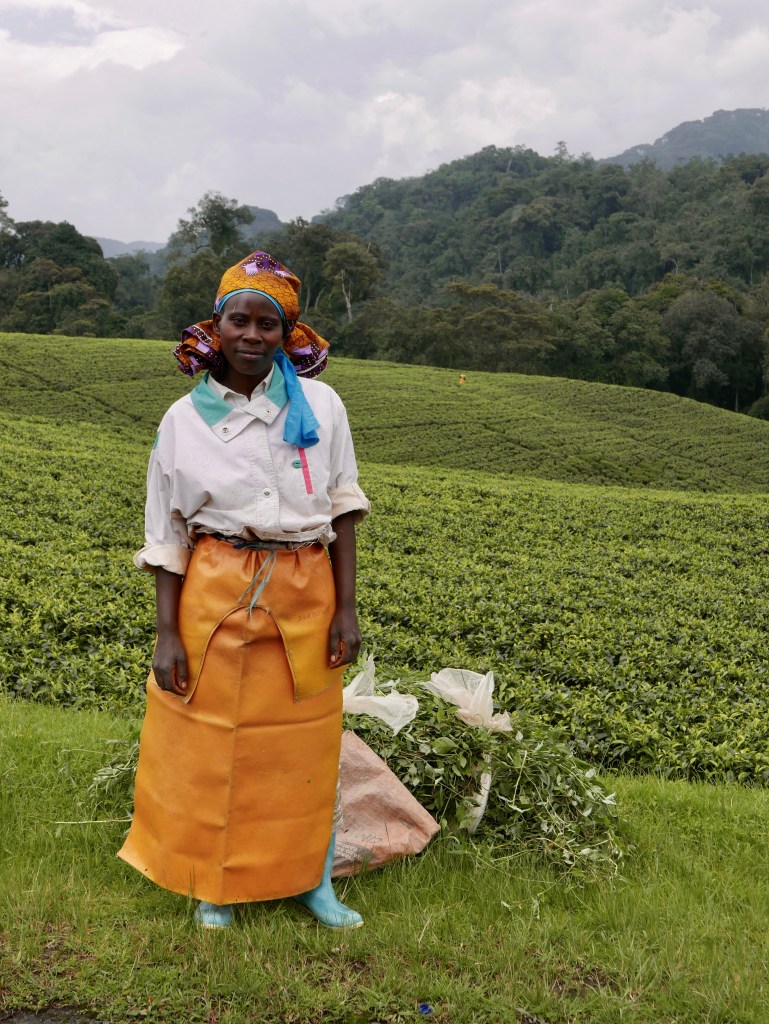
Within one week, we get a short but precise glimpse of a tiny African country that seems to set an inspiring example of societal, economical and environmental success, from which many Western and African countries could learn. Of course, there has to be a dark side to this success – you get a fine if you don’t participate in the monthly Umaganda, so it seems safe to assume that a certain level of control is exerted on individuals, nevertheless the truth is: today’s Rwanda has to be seen to be believed.
T-T
 Tanad stories from Gabon
Salut Thomas, c’est génial d’avoir de vos nouvelles. Merci de partager vos merveilleuses expériences. Eva
LikeLiked by 1 person