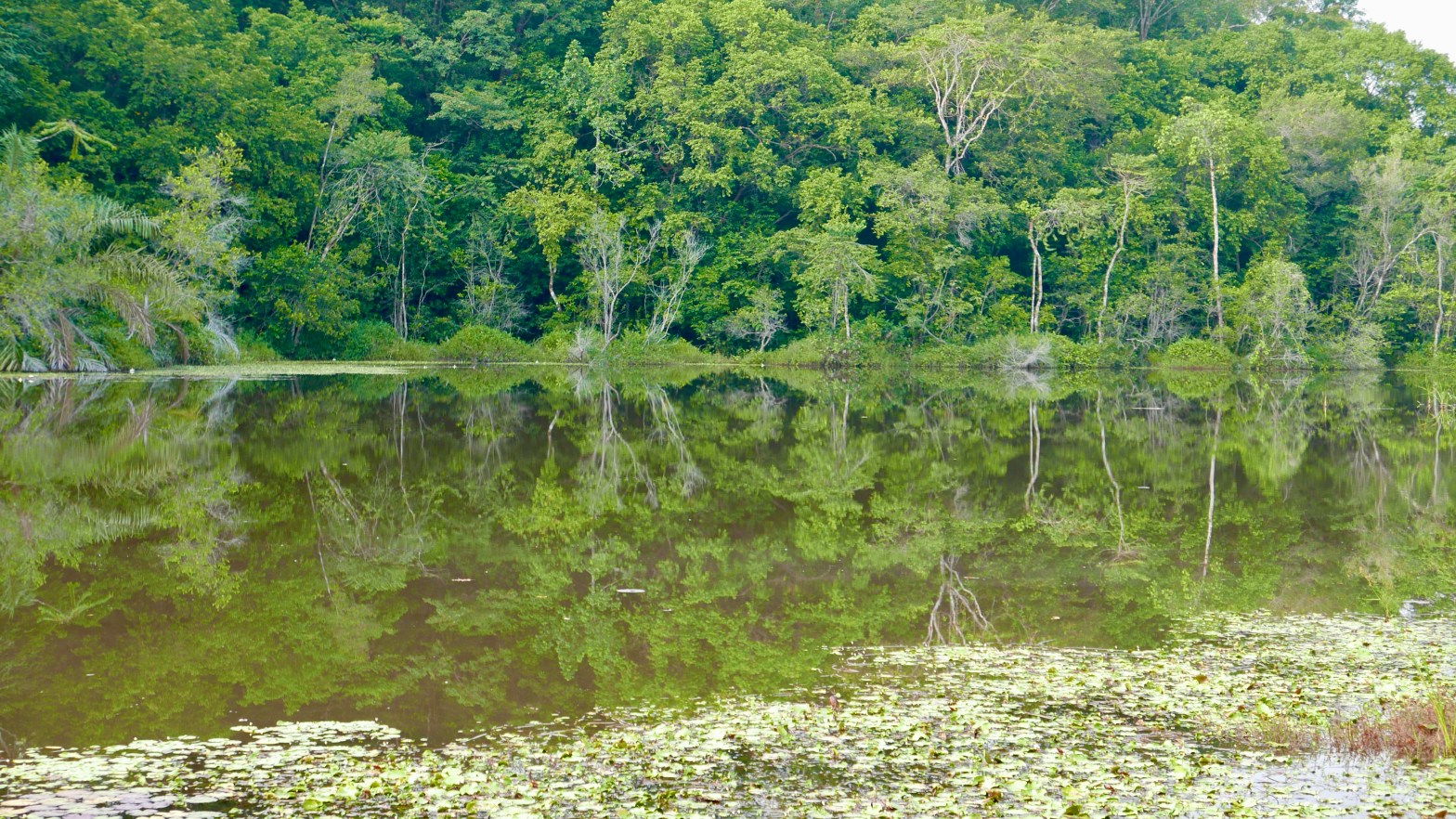
Our stay in Gabon is coming to an end, and this is our last expedition. The destination is nothing less than Wonga-Wongué, a reserve created in 1972 and that has traditionally not been accessible to the public – the reason why is in the above title. However, for a few weeks now, it has discreetly started to welcome a few visitors here and then, and with our small group of friends, we feel privileged to make it there.
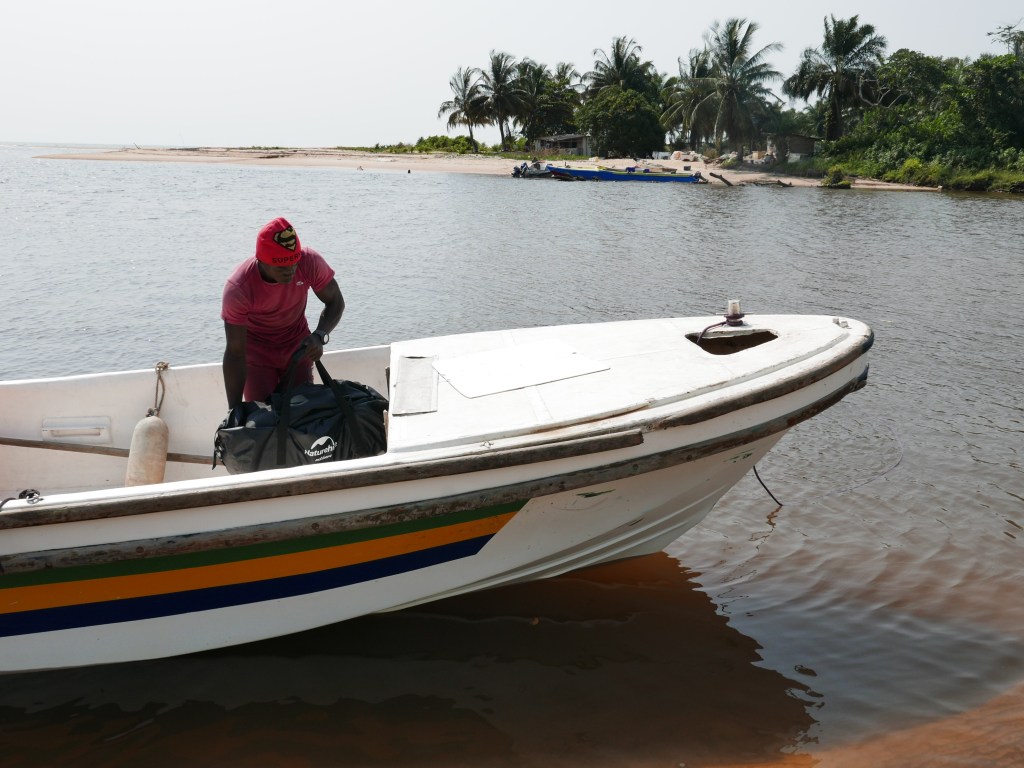
The basecamp lies on the Atlantic coast, some 80 km and a 2-hour bumpy boat ride South of Libreville, halfway to Port-Gentil. That is to say, it’s not connected by road to any city, and feels really isolated from civilisation. The camp consists in a couple of houses for Norbert, the park keeper, and his team, as well as four recently renovated bungalows aligned on the oceanfront.
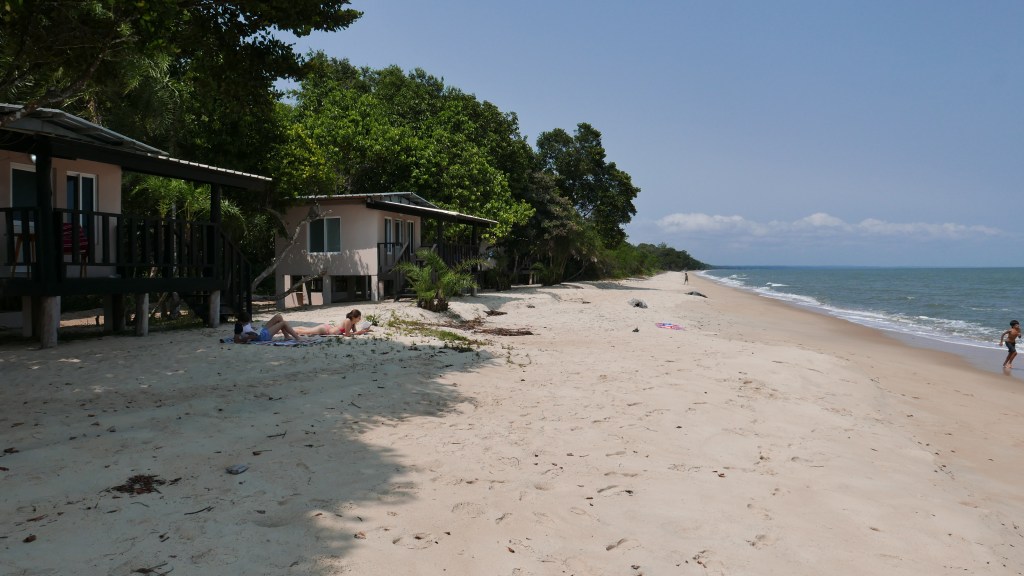
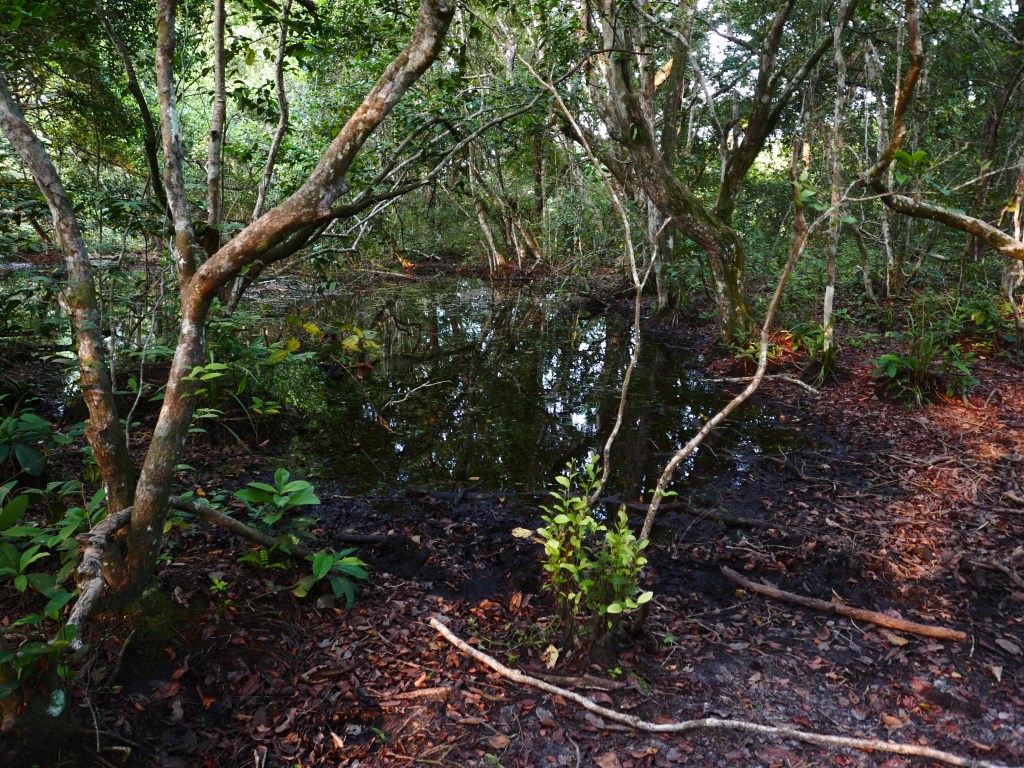
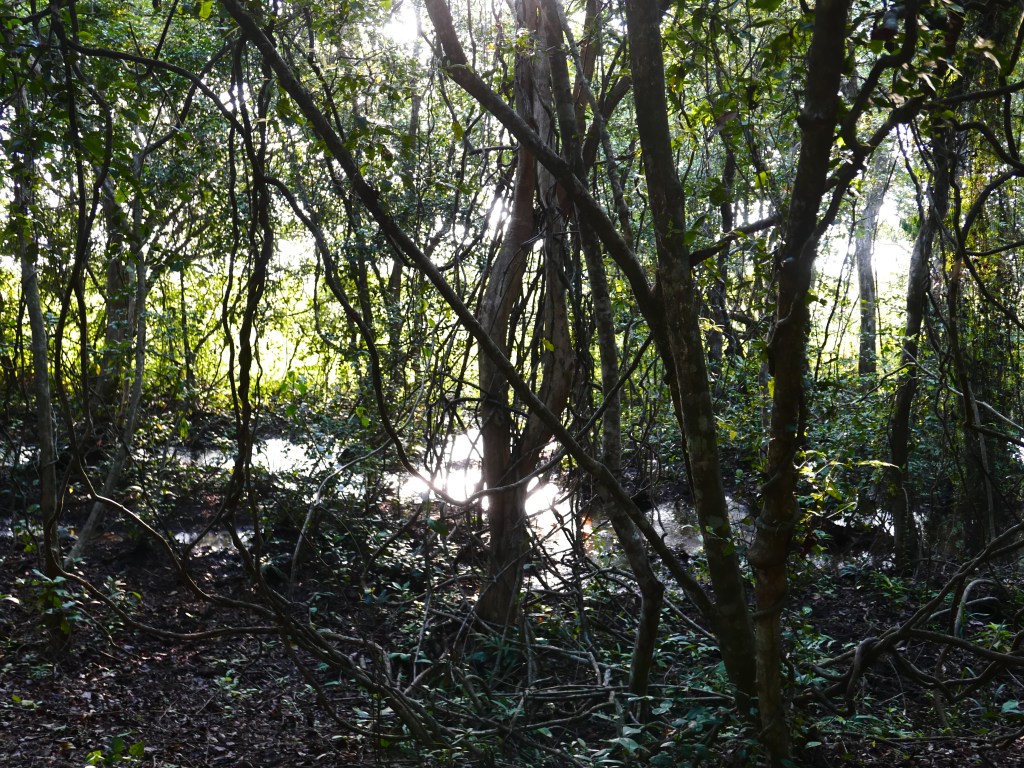
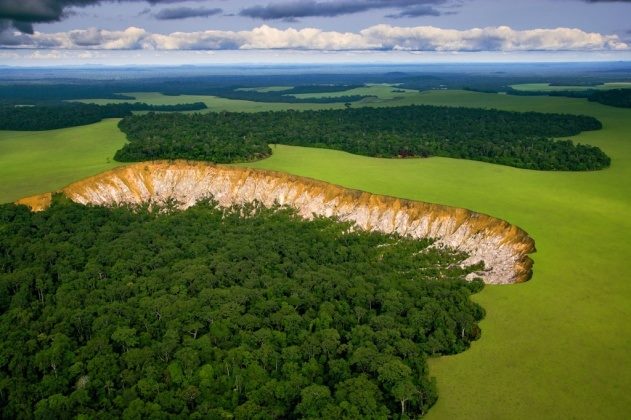
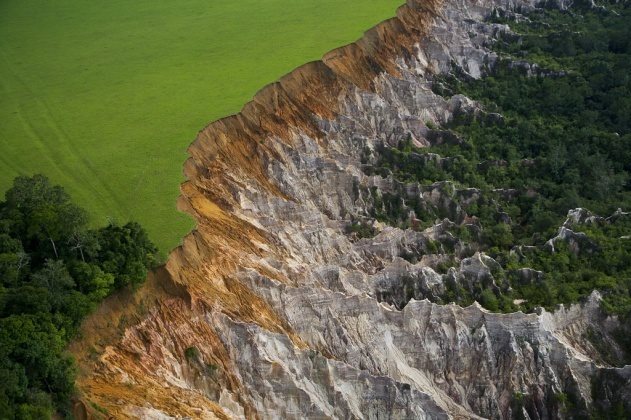
The reserve itself is the size of the bigger national parks of the country, Libreville could fit 10 times into it. No wonder Norbert drives his small plane almost every day to get around. It’s a maze of coastal savannah, secondary forest, marshes, rivers and lakes and spectacular stone cirques, the most famous of which is called Grand Bam-Bam. That makes for a very precious and wide area as well as a 800 km network of dirt roads to take care of.
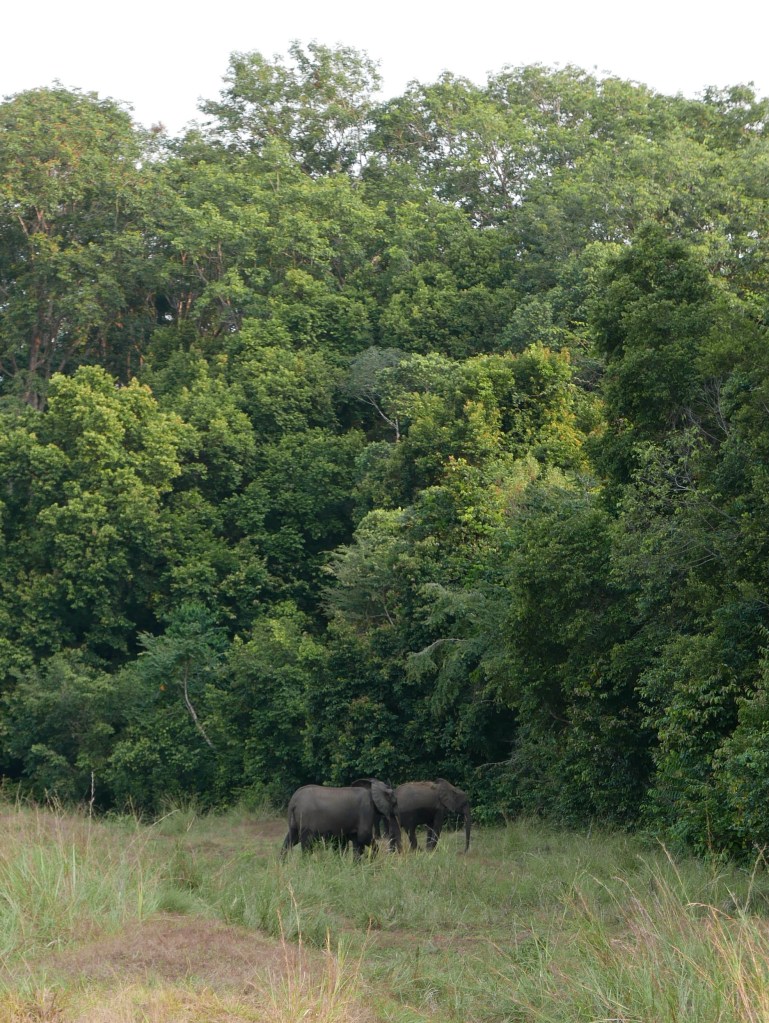
Wonga-Wongué is the home of the biggest population (11,000 individuals) of forest elephants in the Congo basin, and of significant numbers of gorillas, chimps, hippos, buffalos, gazelles. The reserve’s waters are full of fish, marine turtles come to nest here from November to February and humpback whales swim along its coast in July and August. So on top of the maintenance of the reserve’s road network, a big part of Norbert and his team’s daily job consists in studying and protecting the reserve’s fauna, which is drawing increasing scientific and political attention.
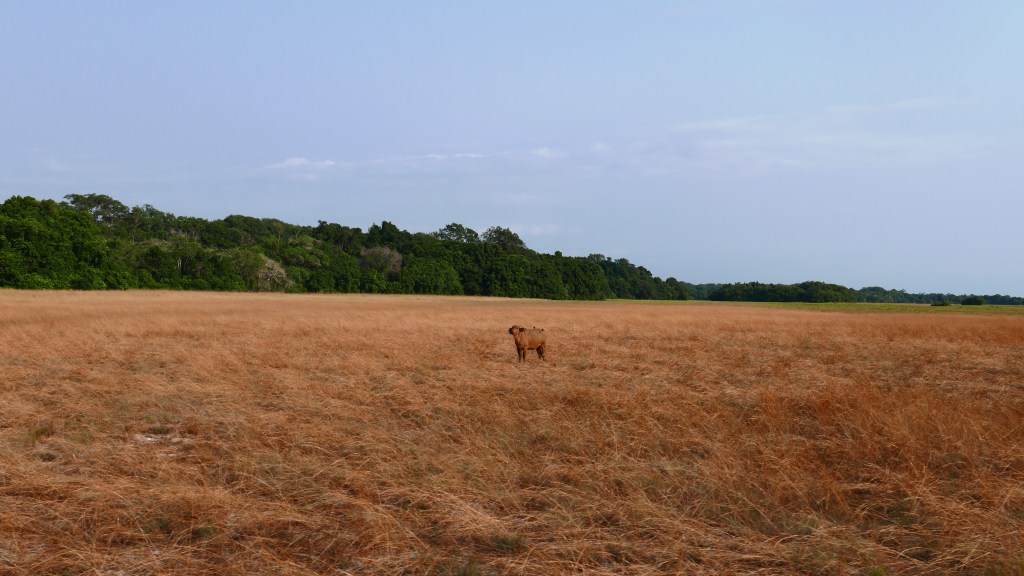
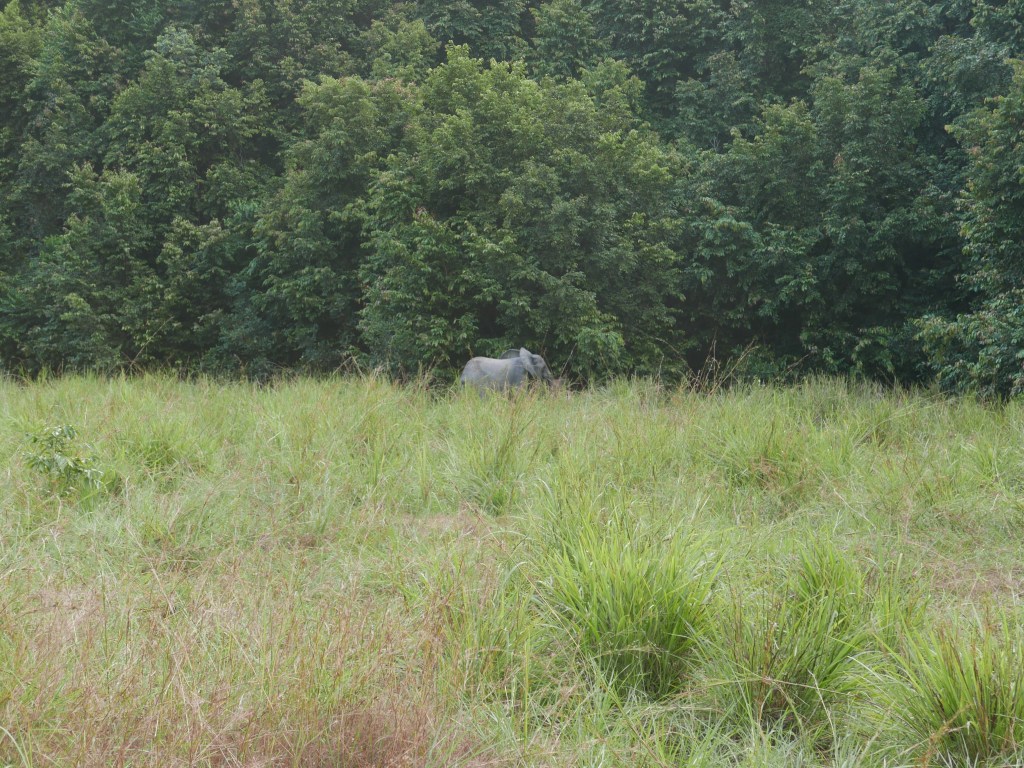
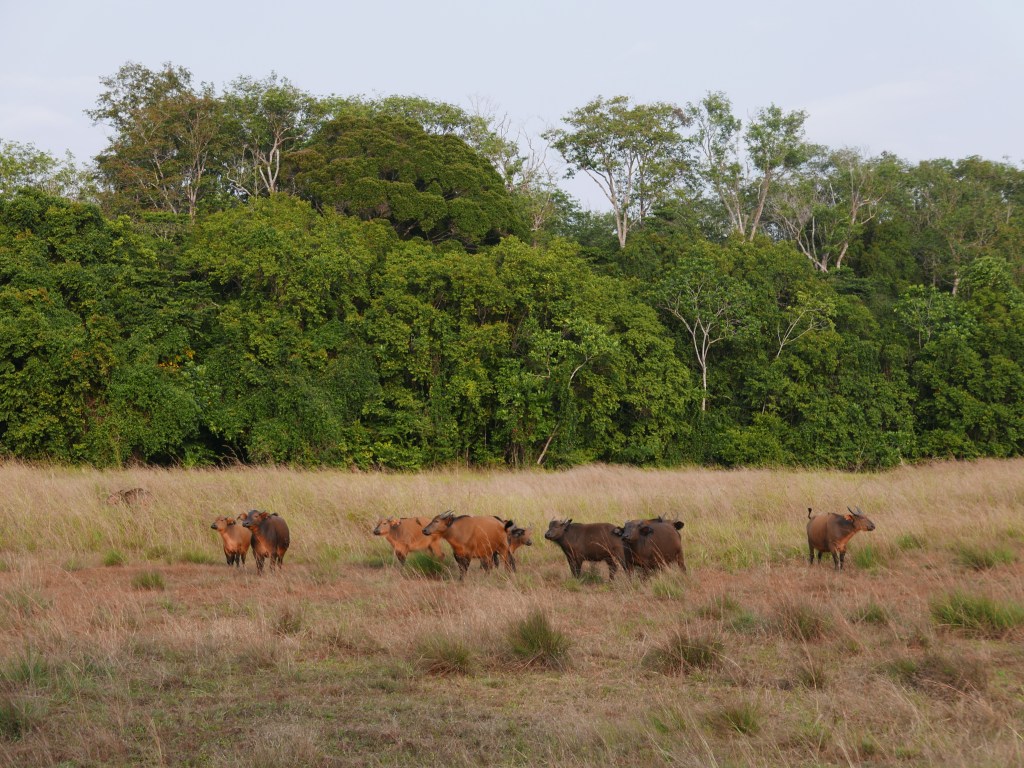
The team consists of around 130 people, many of whom are Pygmies, recently hired from all over the country in their quality of undisputed masters of knowledge on forest and fauna. Of course it’s an insufficient number given the size of the reserve, but they are at work from dawn till dusk, almost every day of the week. Norbert tells us that over the recent years, they have managed to almost stop poaching inside the park and that after decades of decline due to intensive fishing, the fish population is on the rise again. However these improvements remain fragile and the team needs to maintain a constant dissuasive presence all over the park to maintain this momentum. We can’t tell here the stories we heard from Norbert, all we can say is that it’s not a job for everyone.
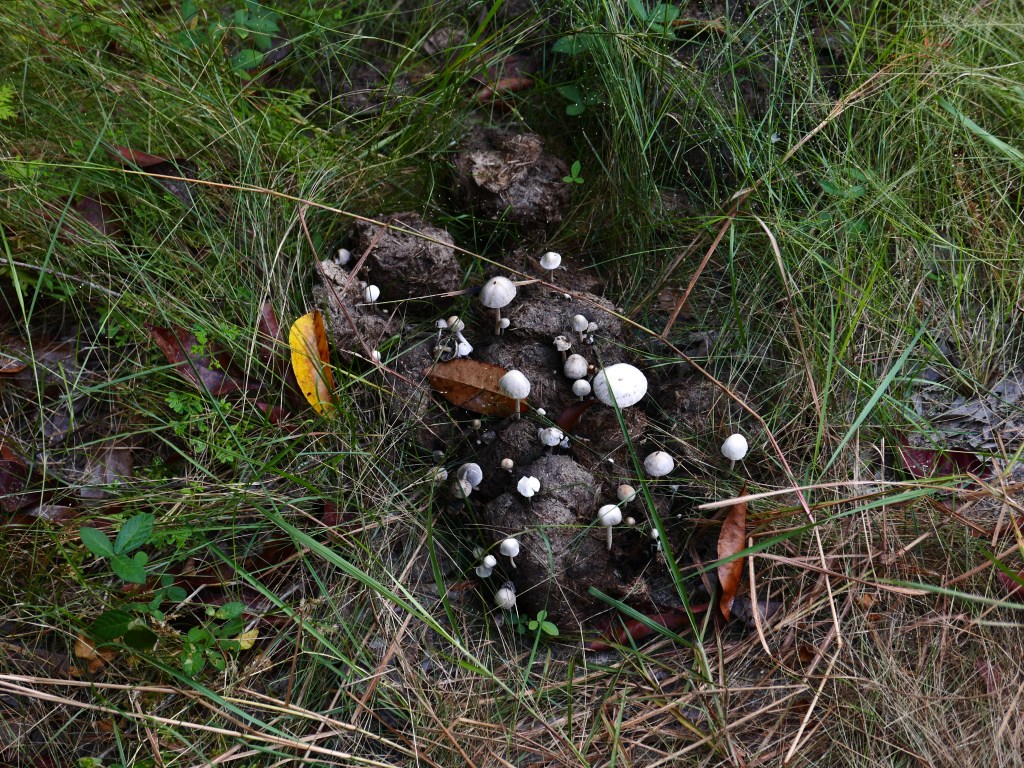
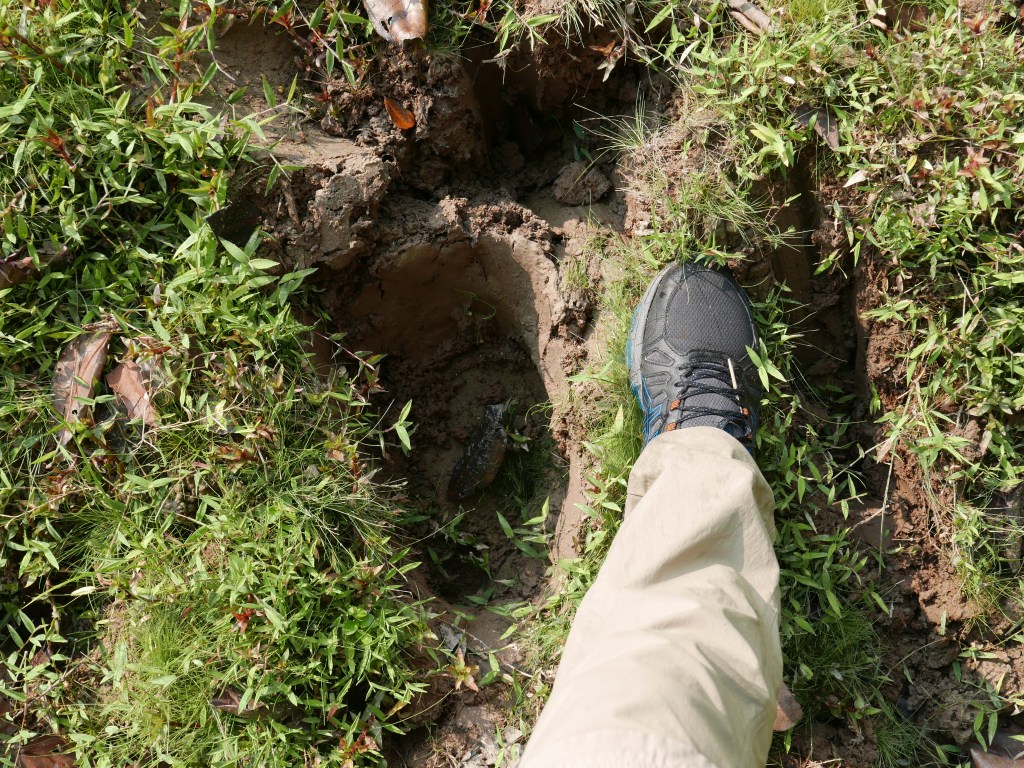
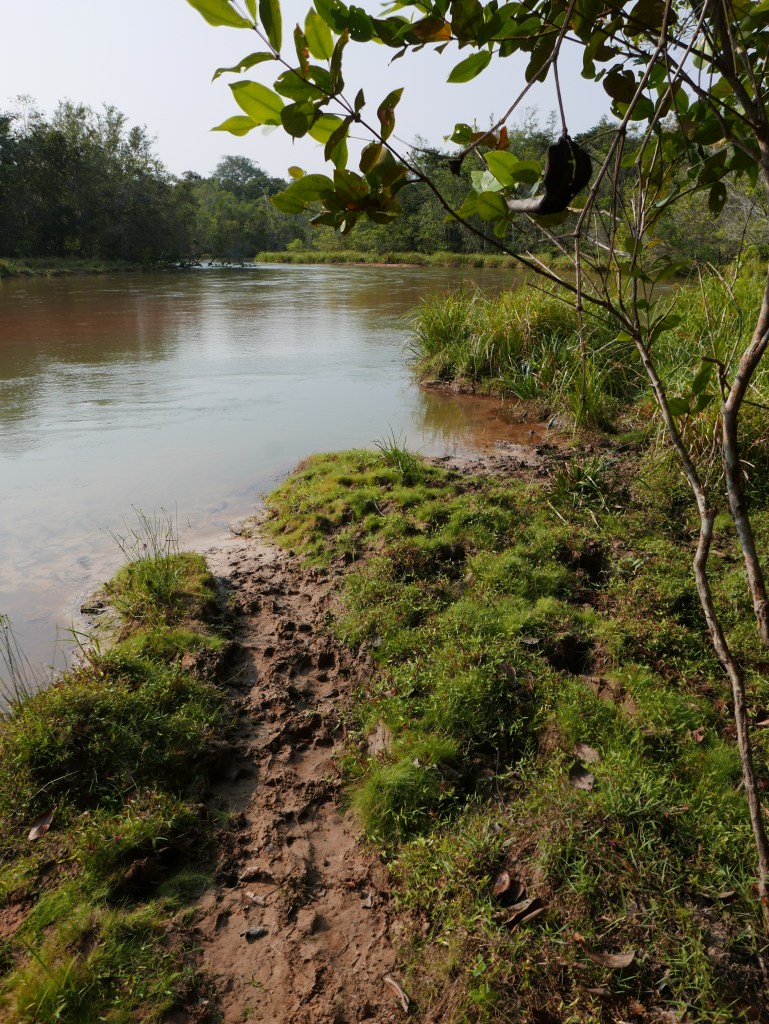
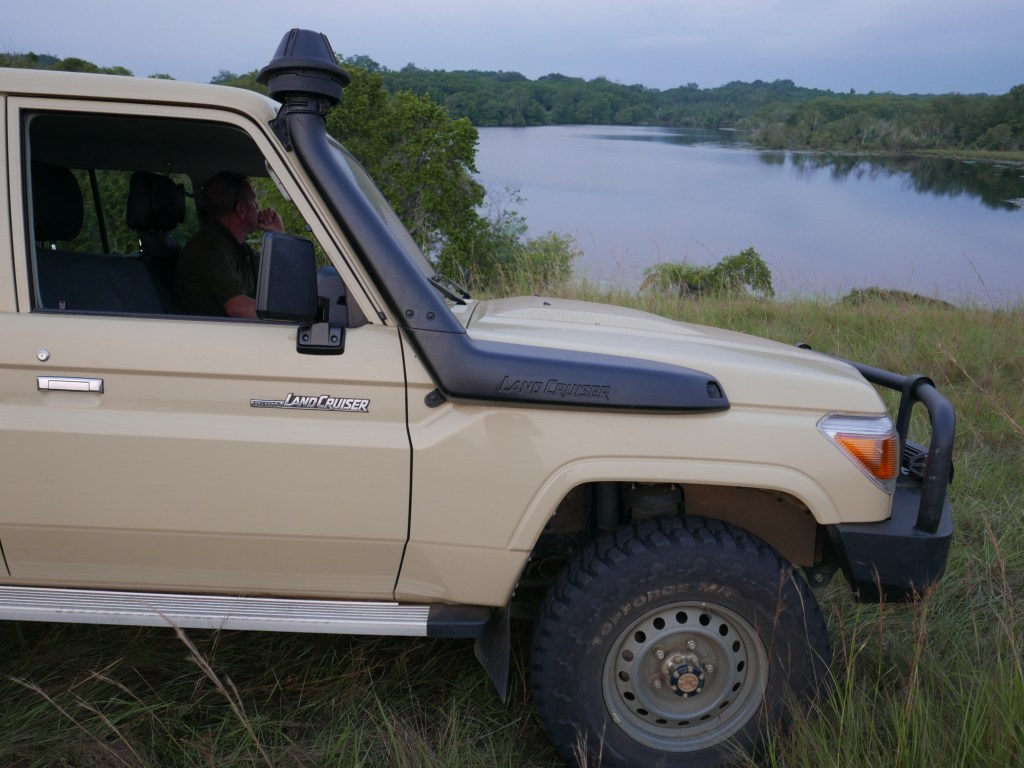
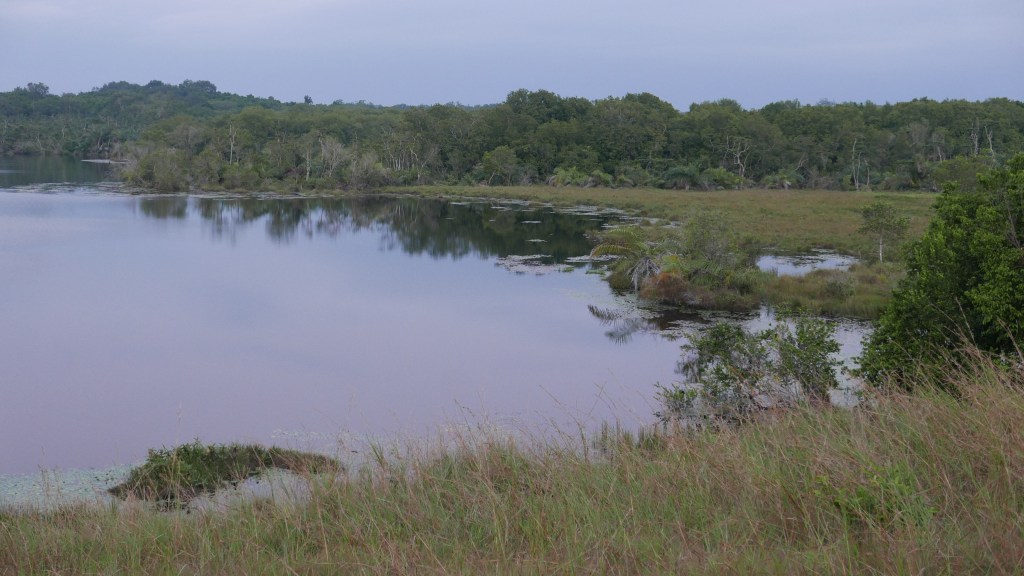
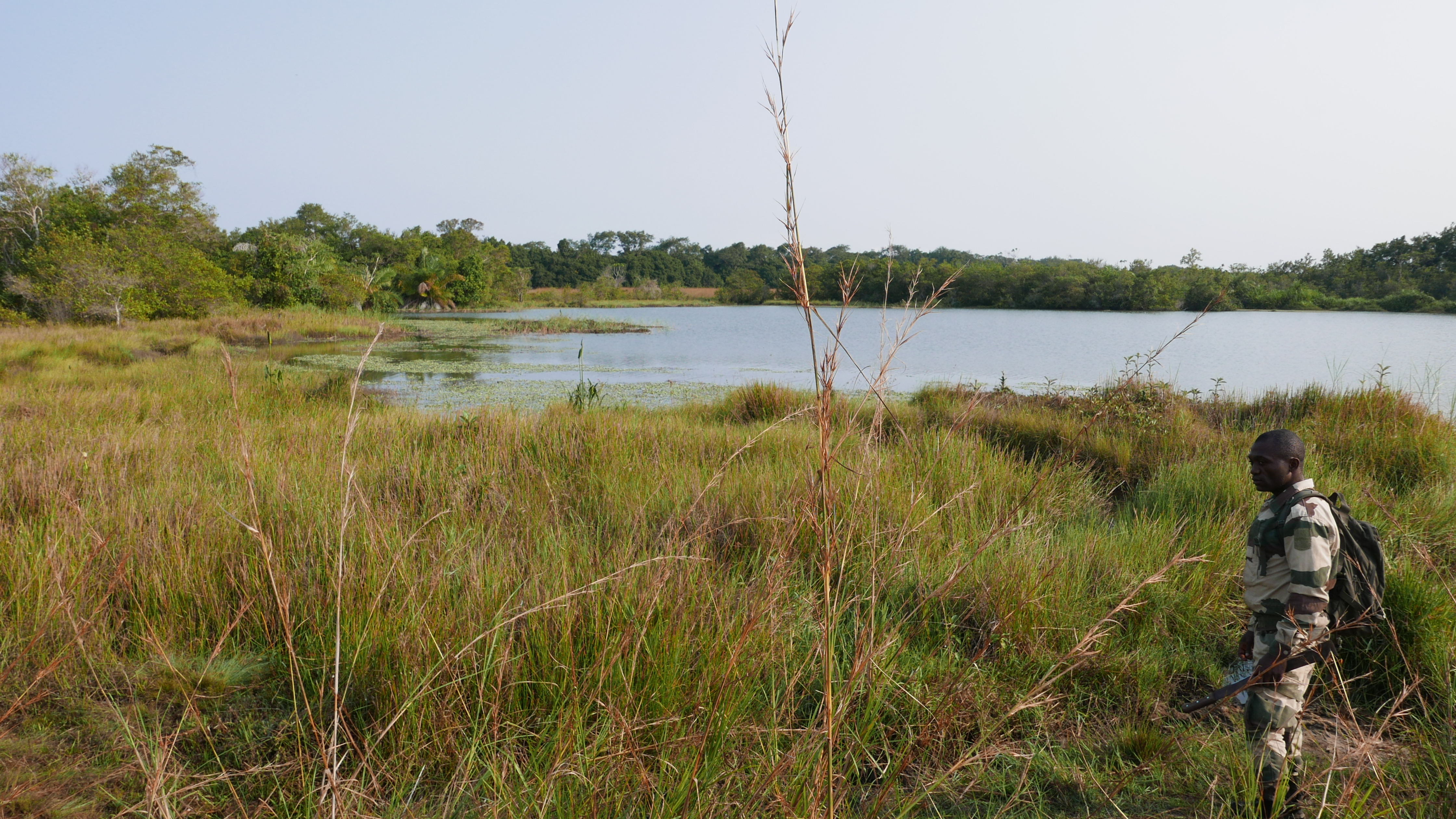
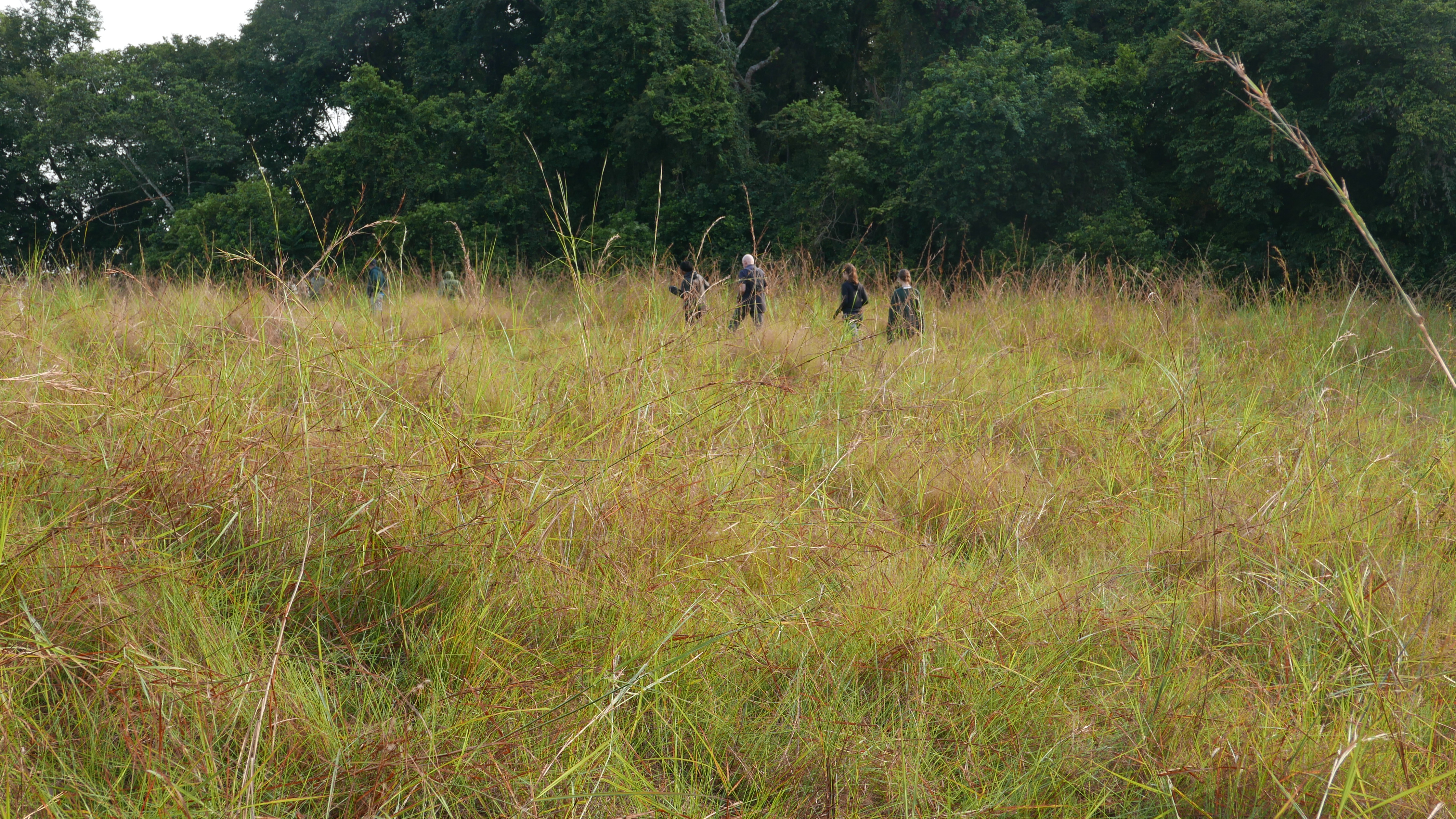
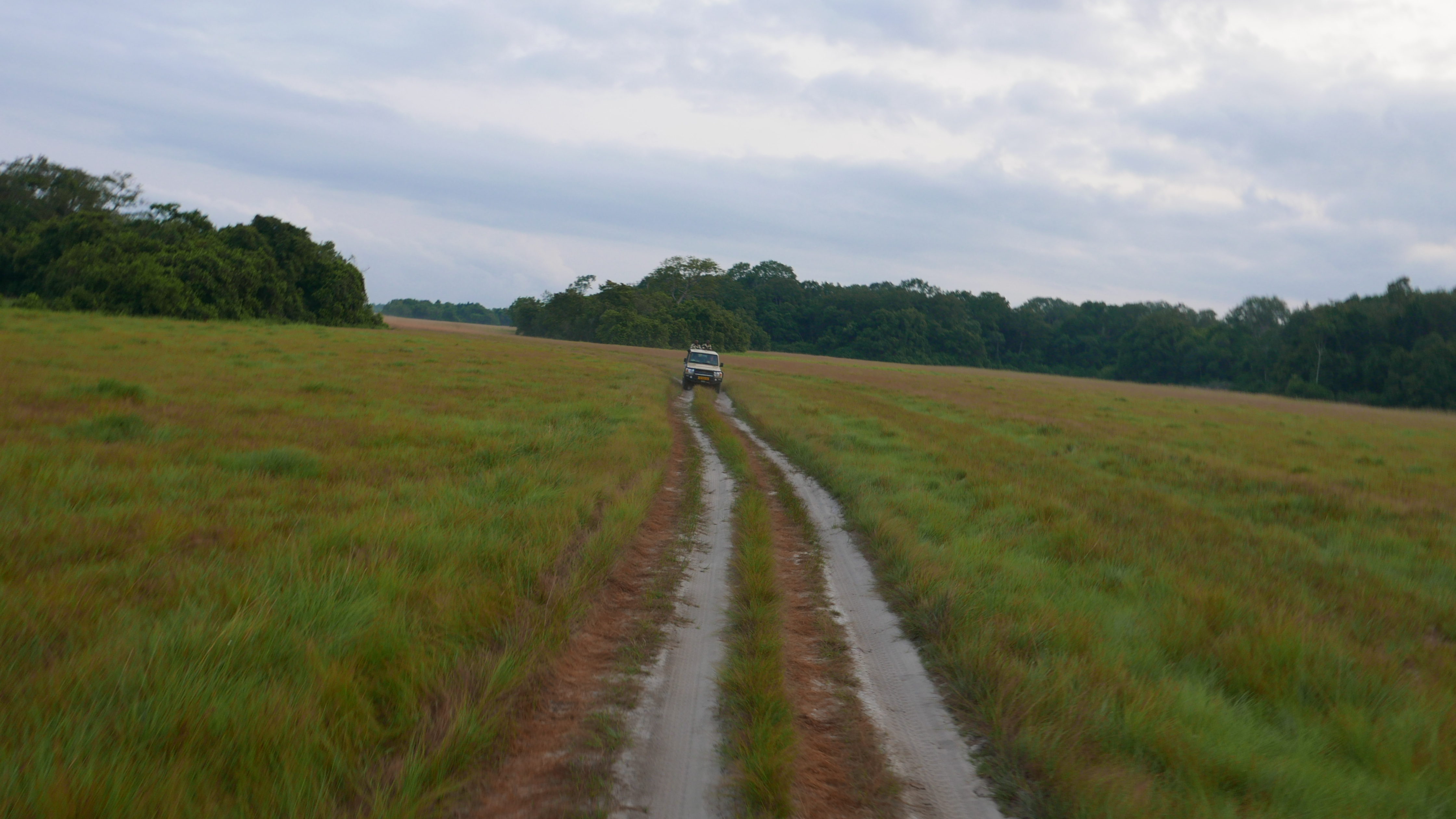
In Wonga-Wongué, we have our last safari, our last walk in the Gabonese wild. For the last time in these four years, we watch in awe these landscapes and their inhabitants, we marvel at the mysterious sounds of the forest and the roar of the sea in the background. An hour before we leave, special visitors that we had never seen before come right in front of the camp, where the river meets the sea: dolphins! Twenty of them, coming to play and fish. We could not have dreamt of a nicer farewell committee.
 Tanad stories from Gabon