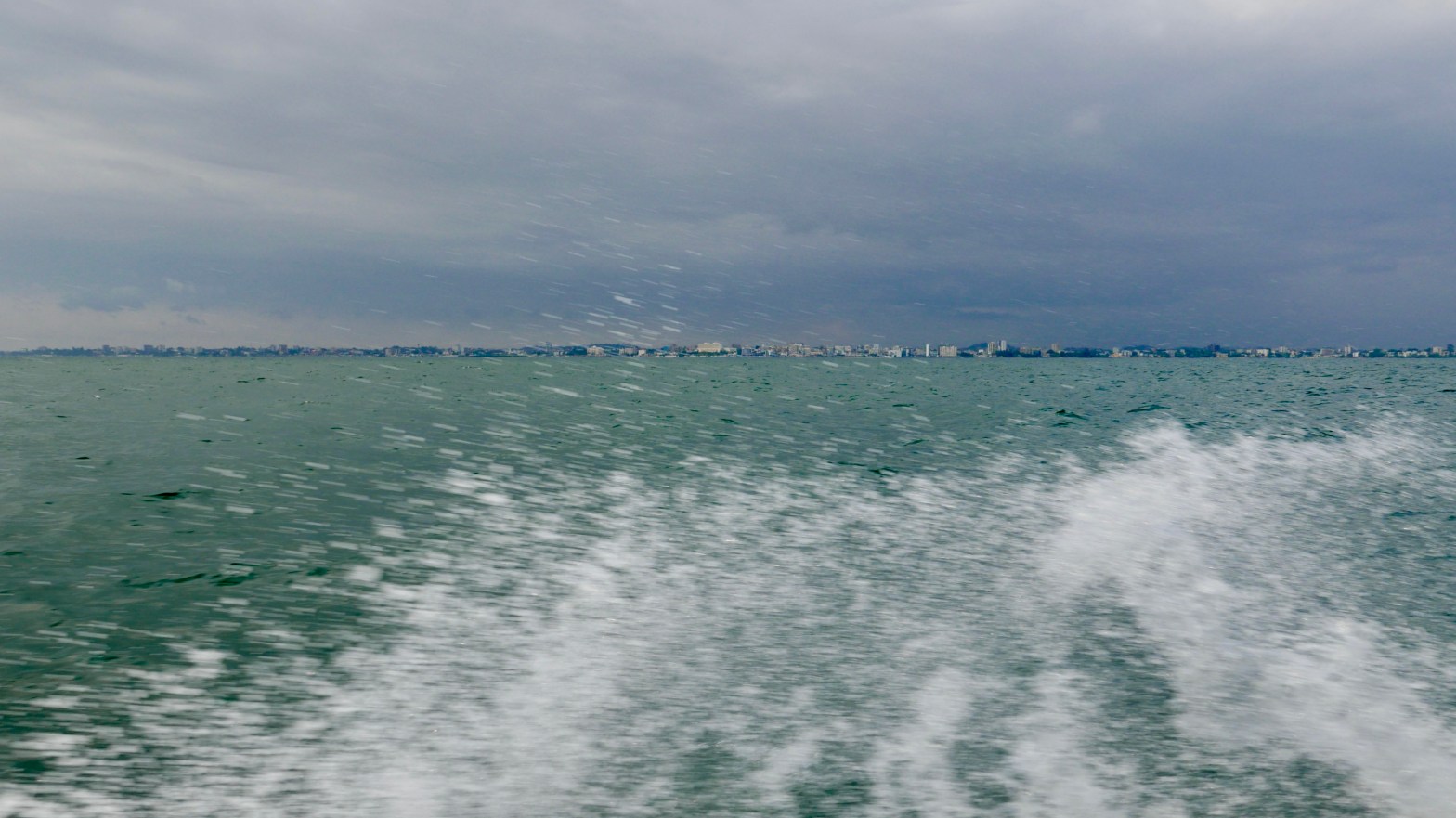
Before we close this blog, we feel that something needs clarifying: we have not spent four years of our lives hiking in the equatorial forest, going on safaris in search of wild animals and lying on beaches fringed with coconut trees. Even though we did these things as much as we could, the reality is that we lived, studied, worked and spent most of our time in Libreville.
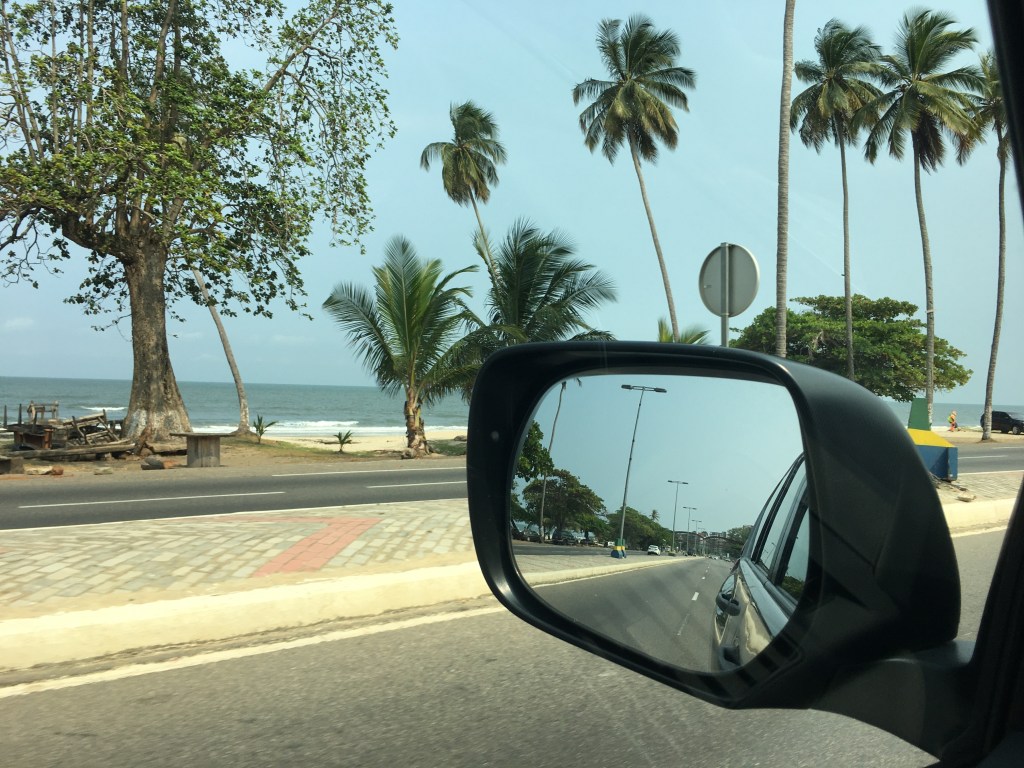
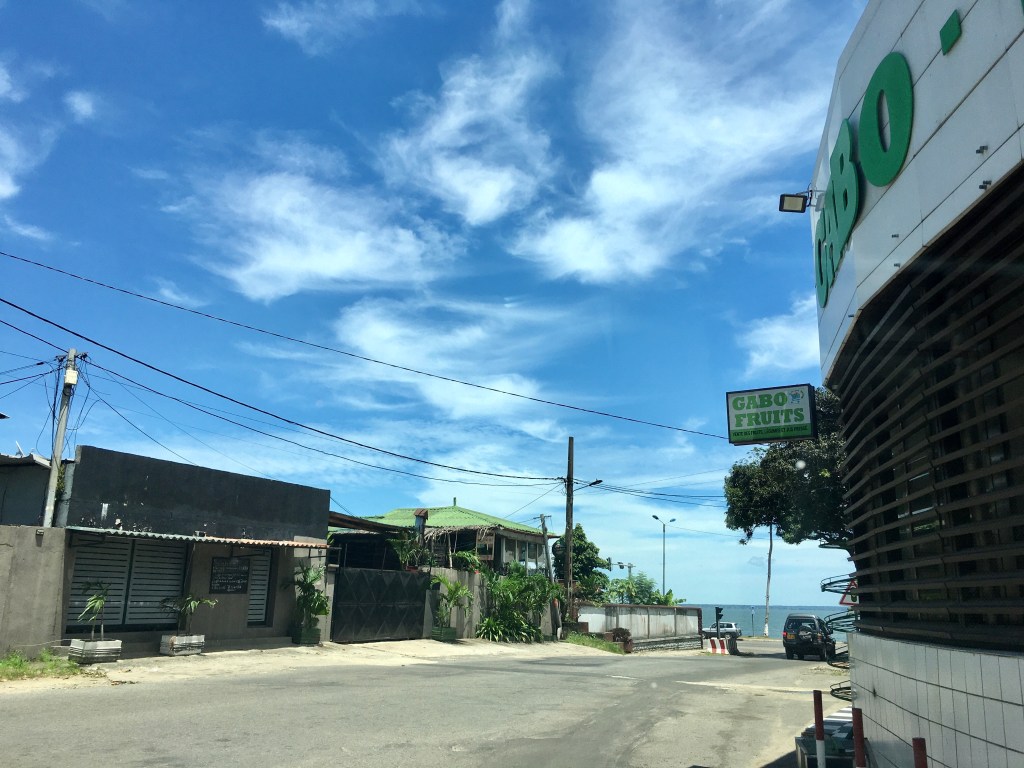
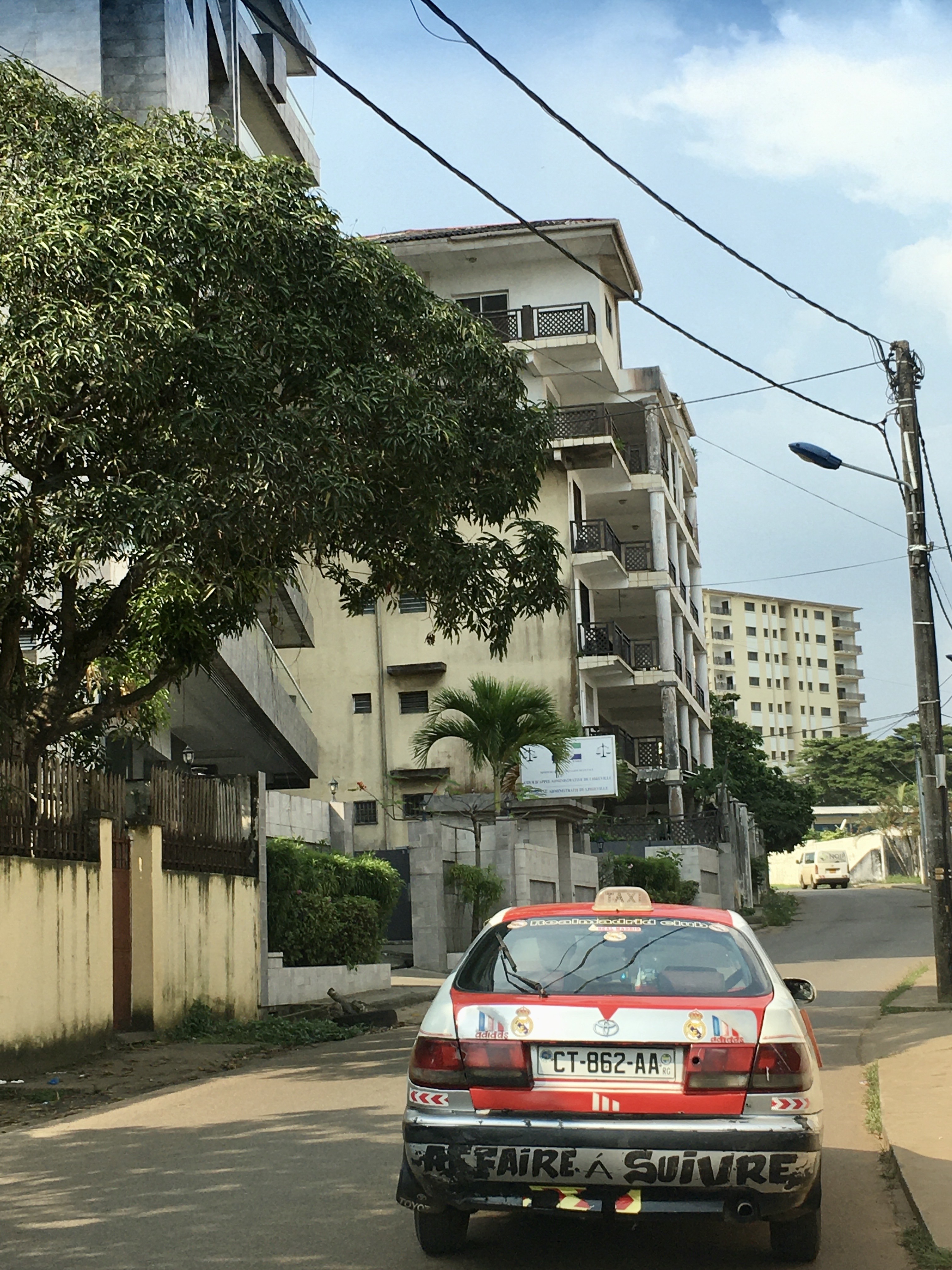
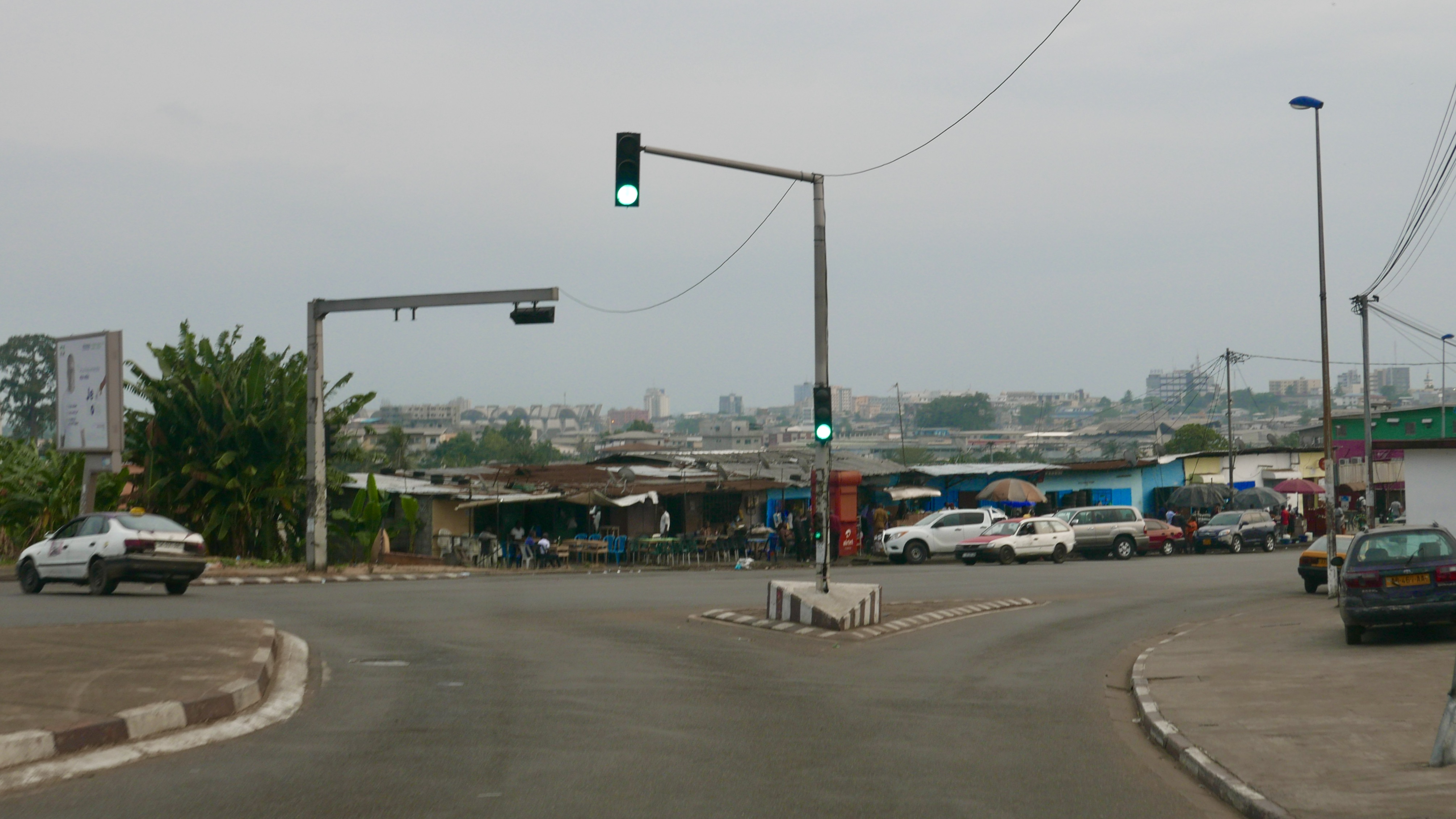
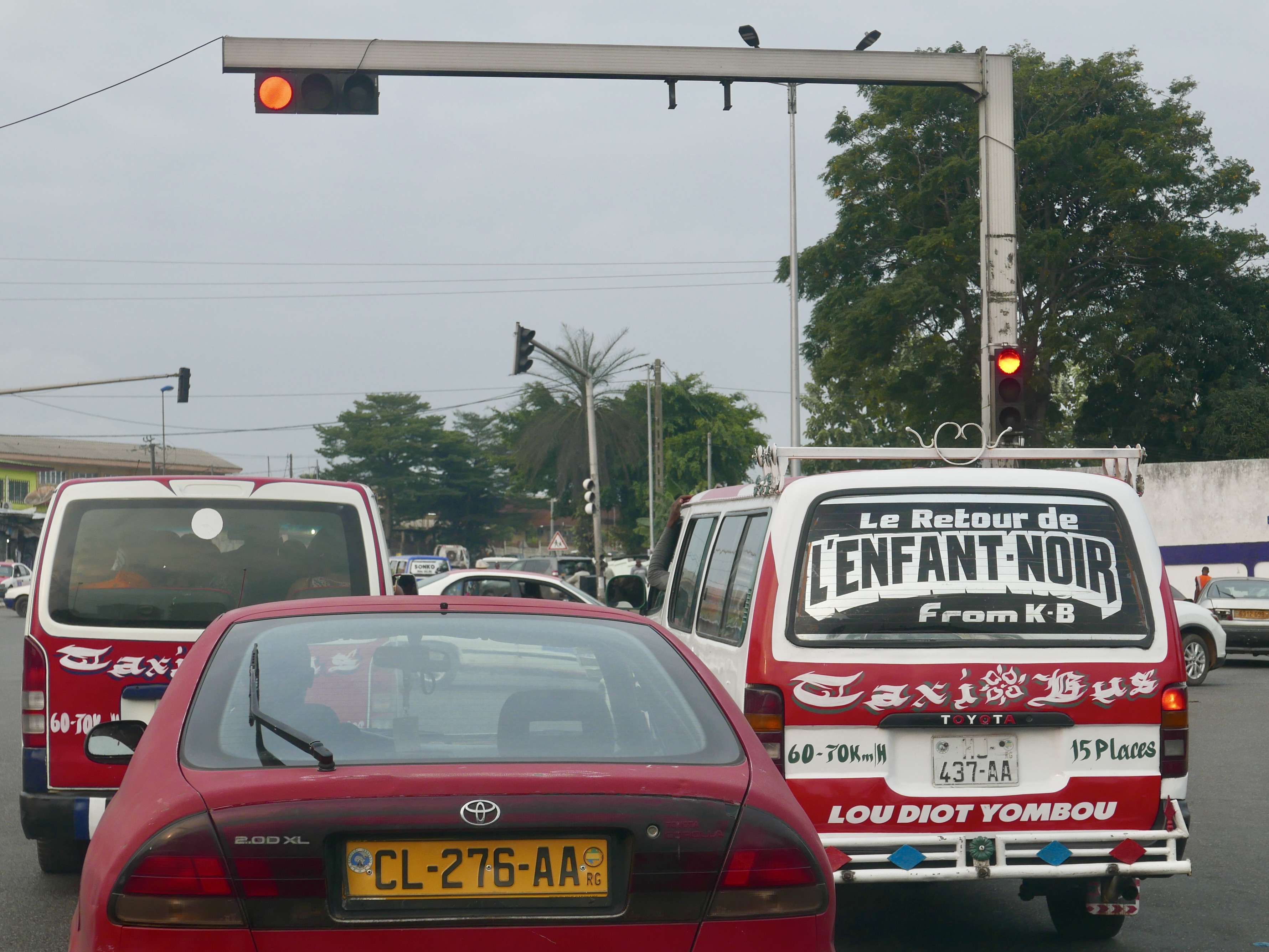
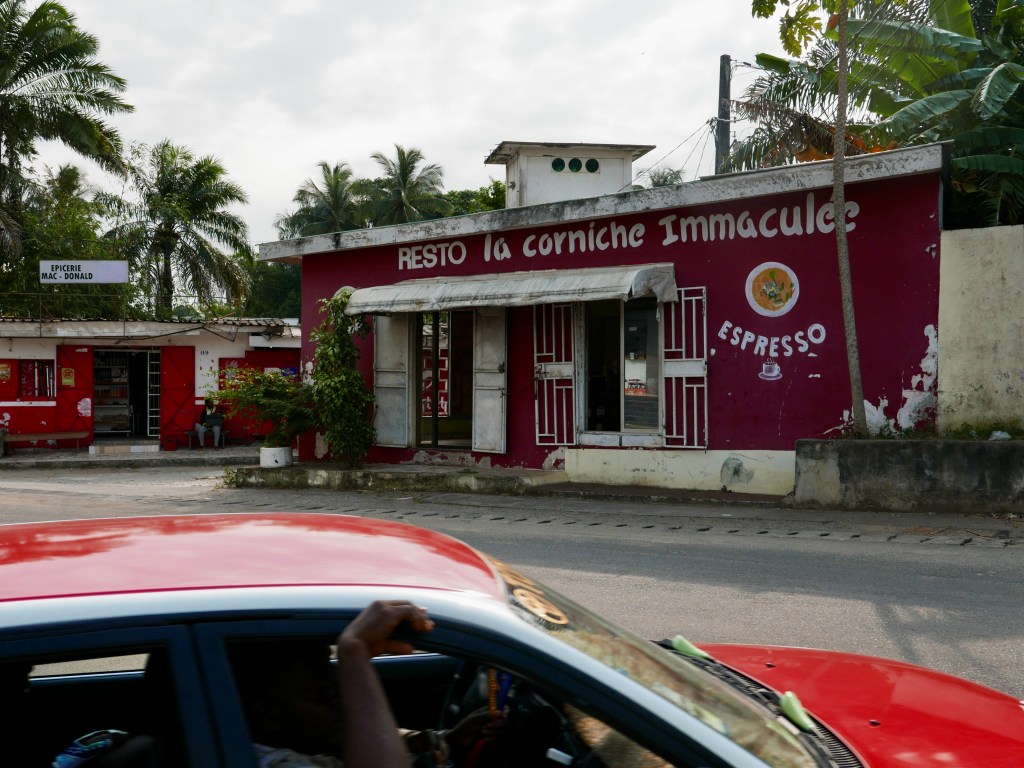
Batterie 4, Haut de Gué-Gué, Bas de Gué-Gué, Derrière Prison, Montée de Louis, Vallée Sainte-Marie, Mont-Bouët, Montagne Sainte, Glass, Lalala… Libreville is all about districts, and just hearing these names bring us to a particular spot in this city that we have learned to tame and to love over the years. There’s not much to see, it’s unbelievably hot and damp in the rainy season, it’s more than a bit of a mess in some places, police is everywhere, traffic gets completely stuck several times in the week when the president goes to and back from work, but it has this unique crazy-and-relaxed-at-the-same-time vibe and, greatest thing of all: it lies on the seaside.
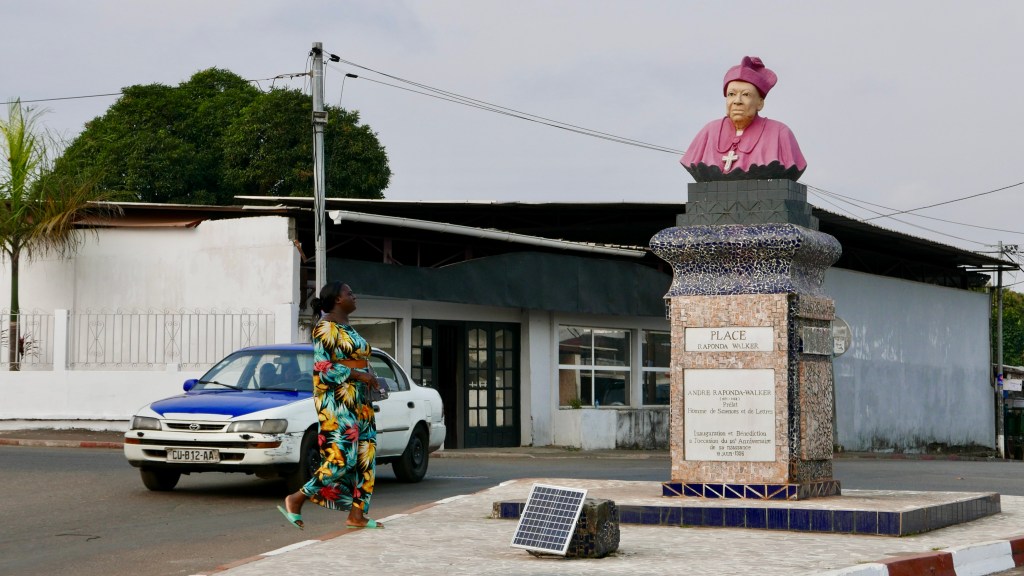
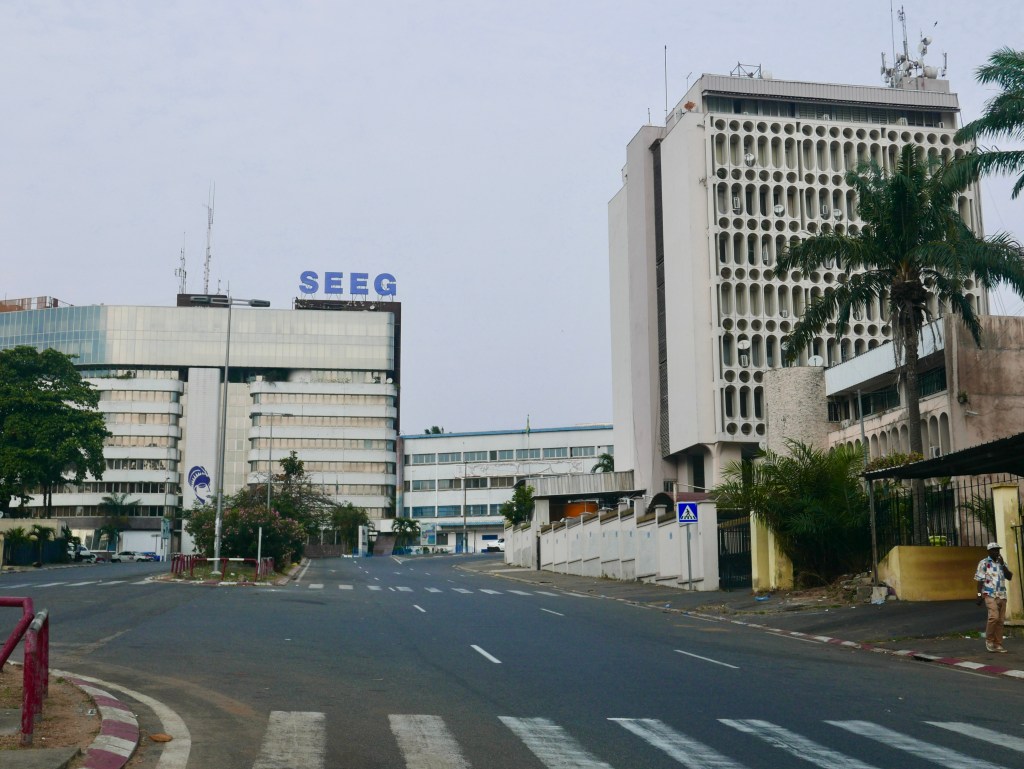
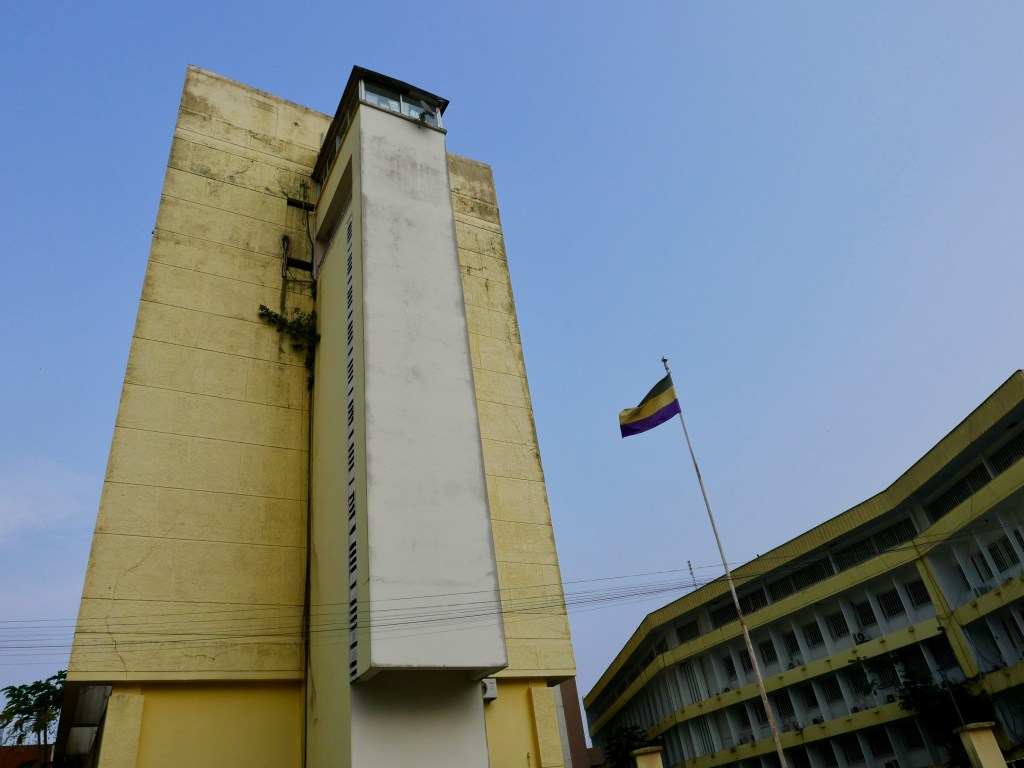
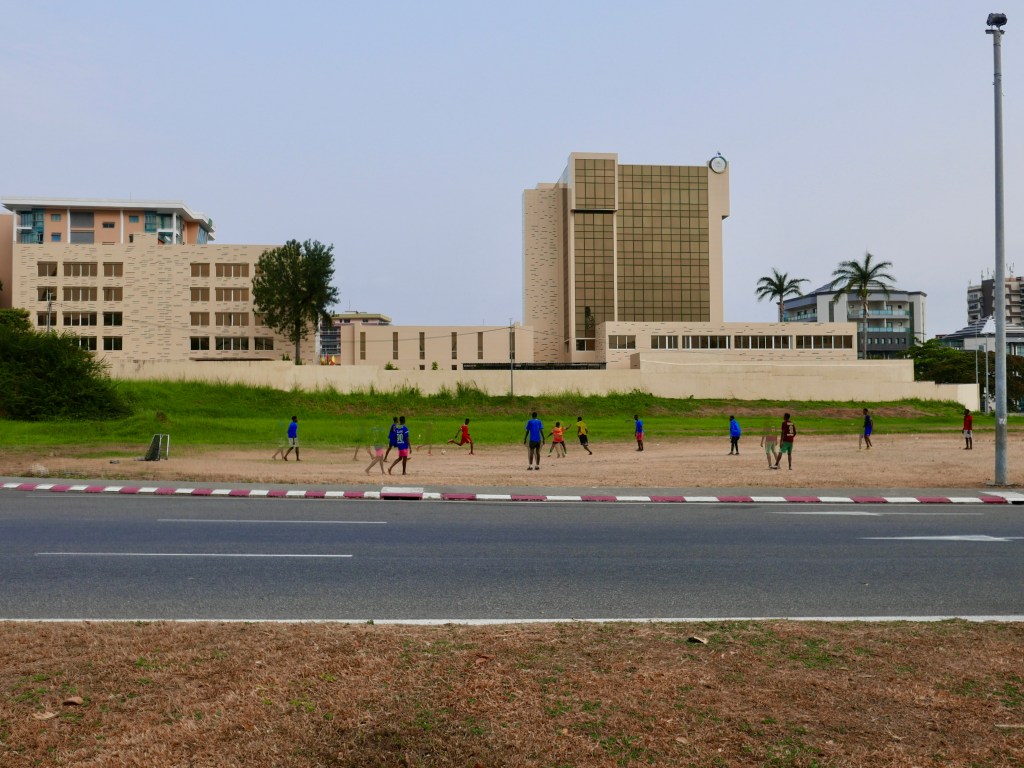
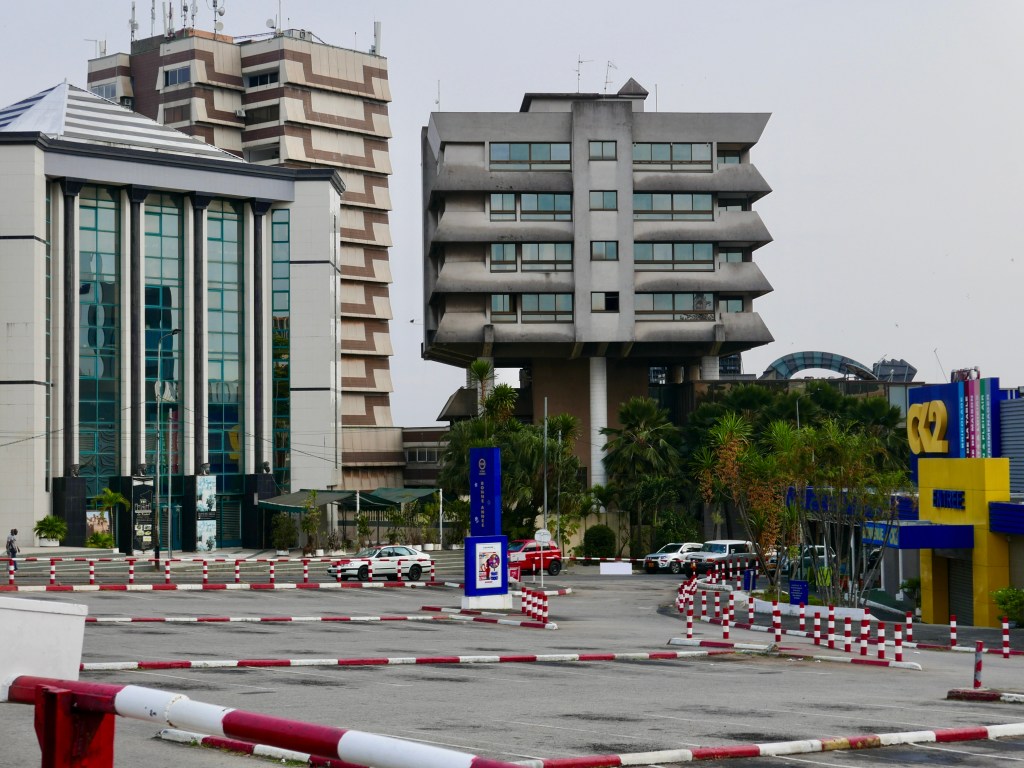
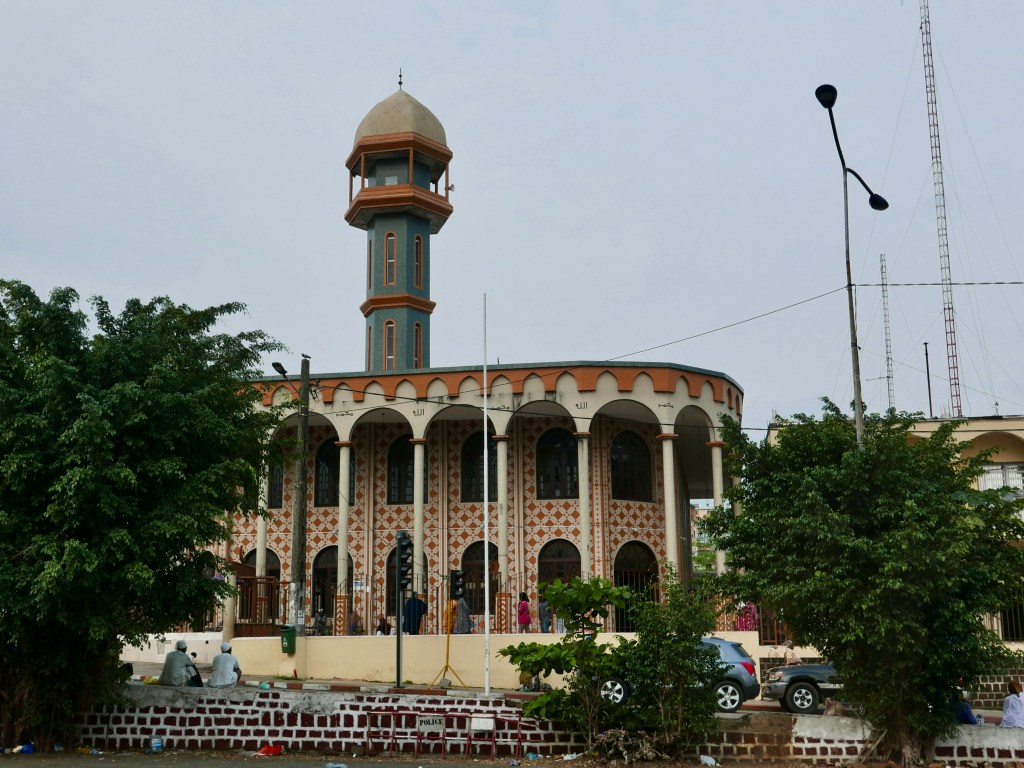
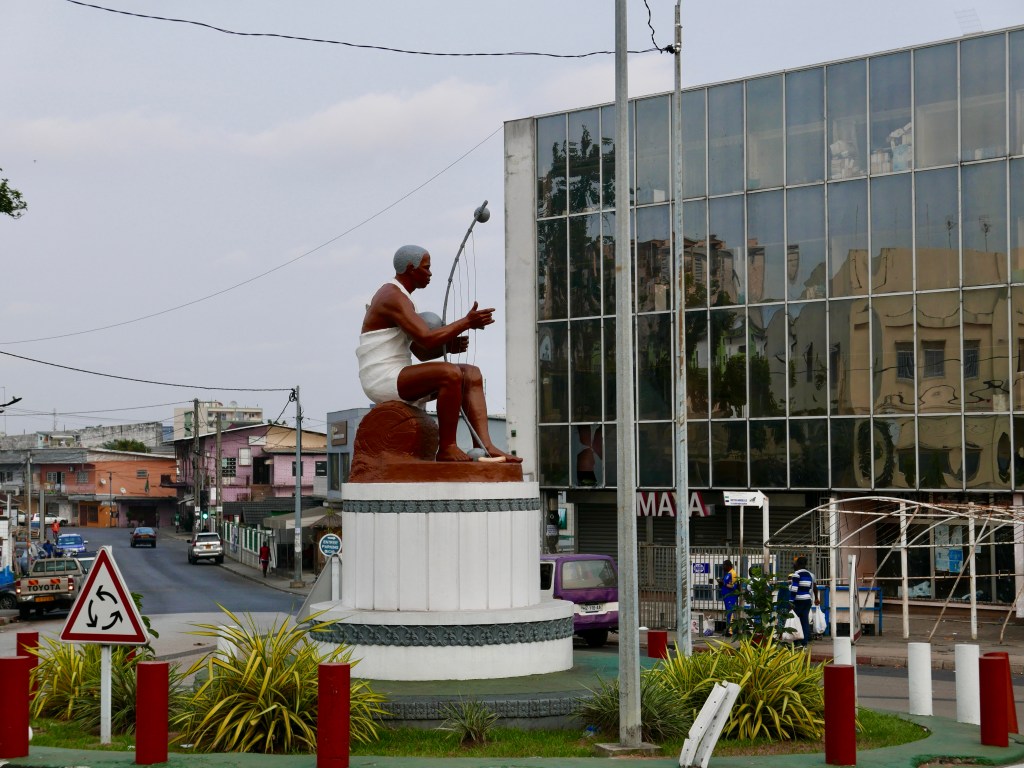
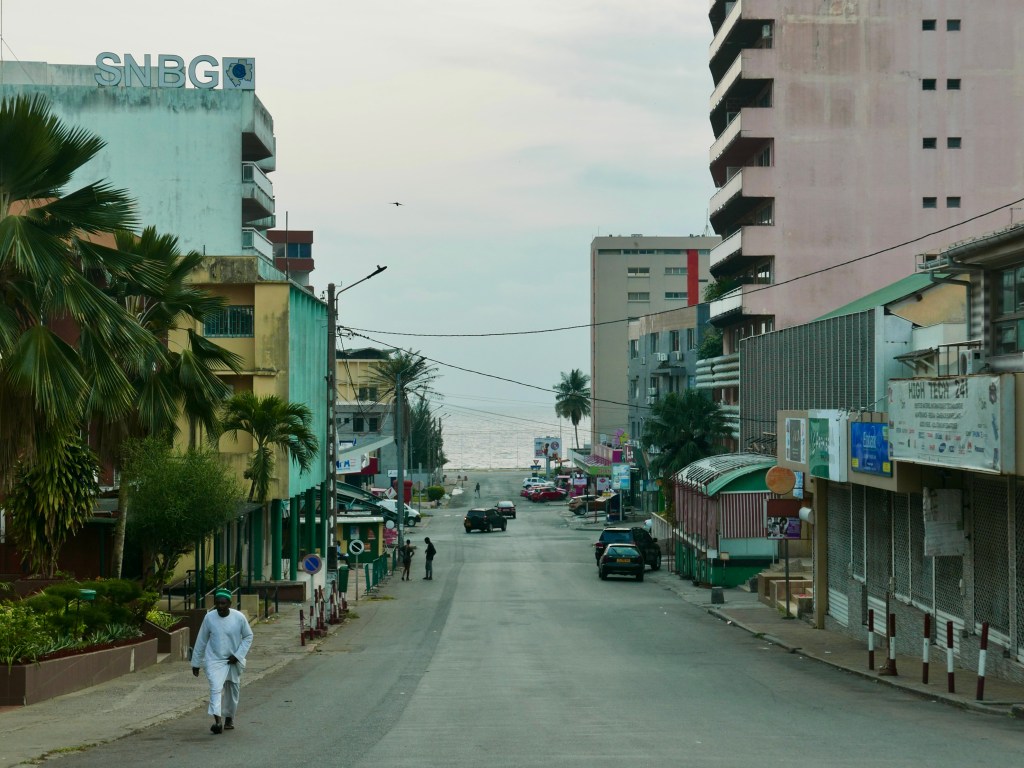
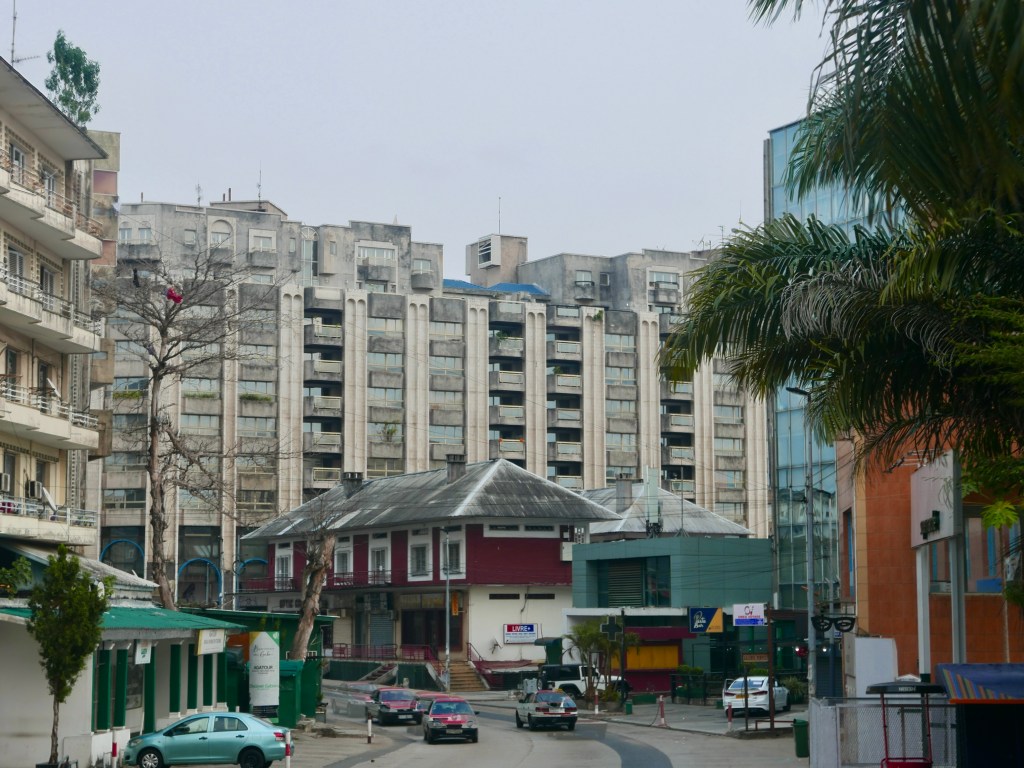
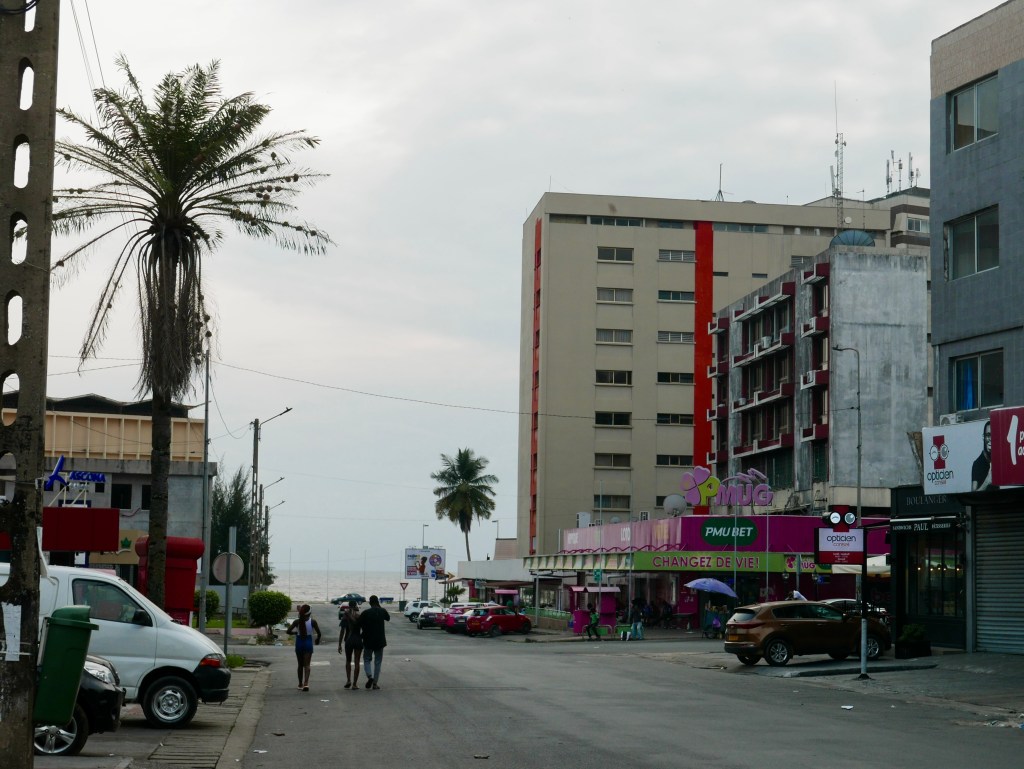
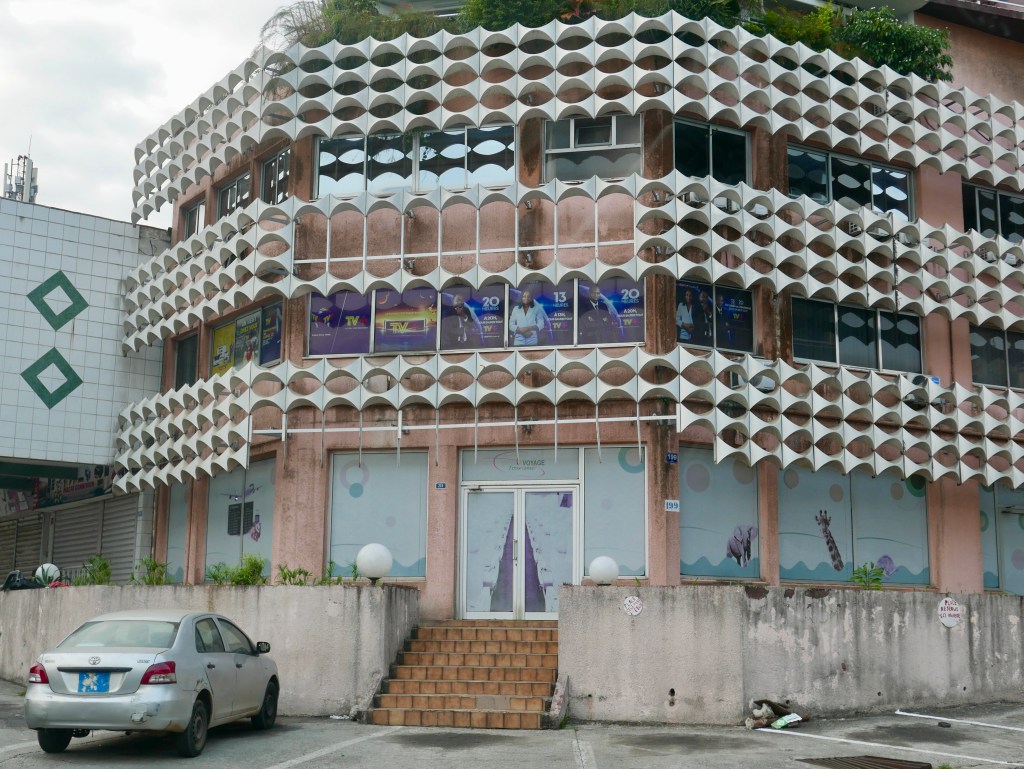
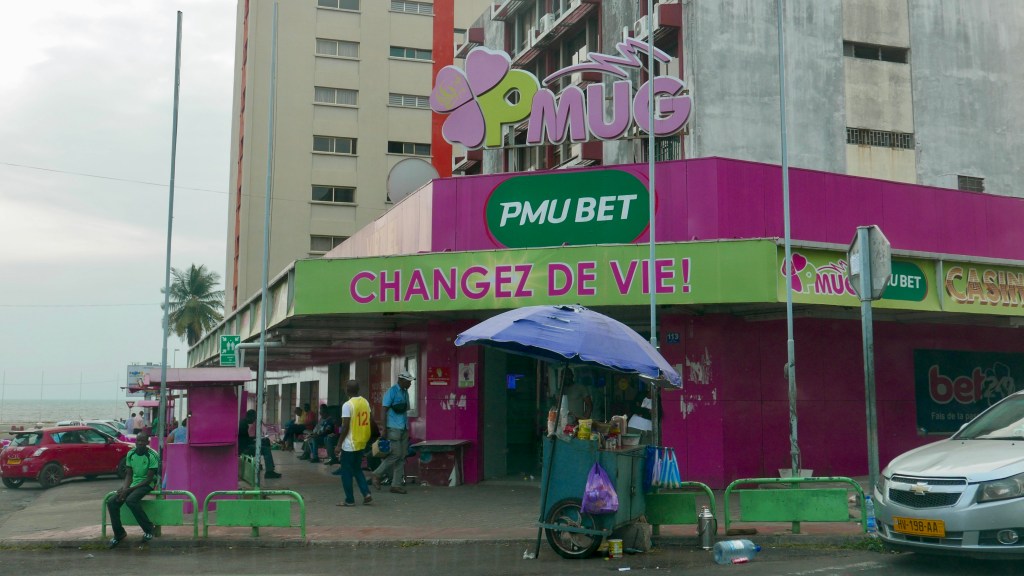
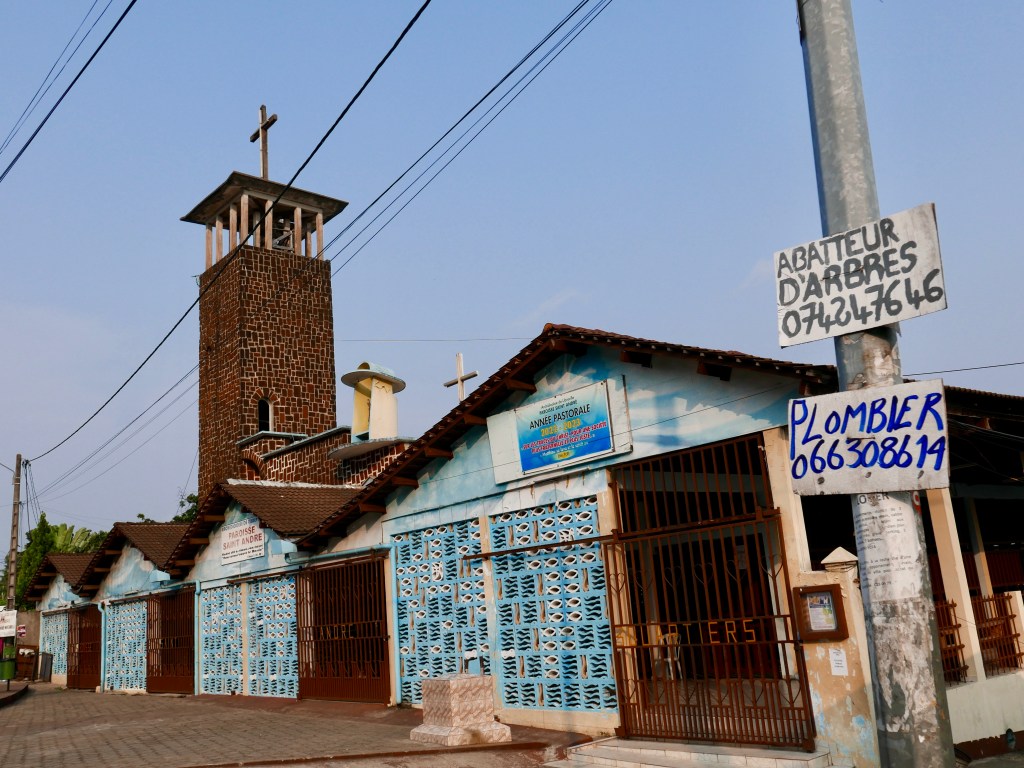
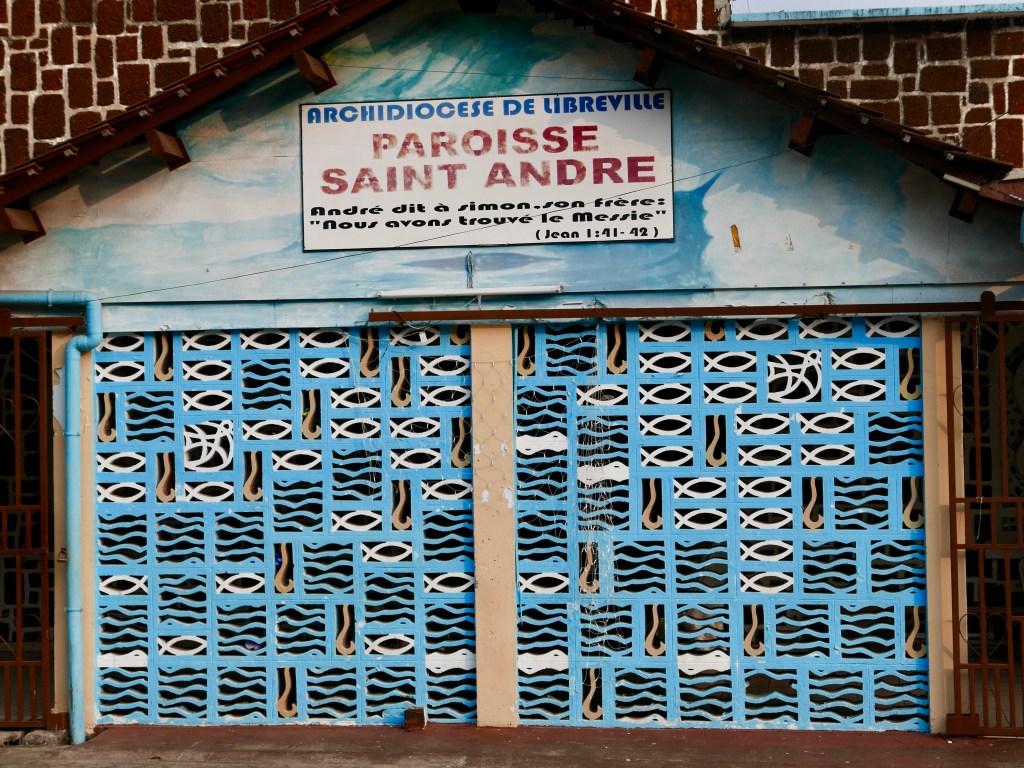
As you can see from the above photos, architecture in the centre is somewhat brutal and stuck in the 70’s. But in some places, certain buildings – churches especially – exude a real charm. The photos below present friendly Saint-André, Saint-Michel de Nkembo with its unique wooden carved pillars, and the spaceship-like Saint-Pierre church.
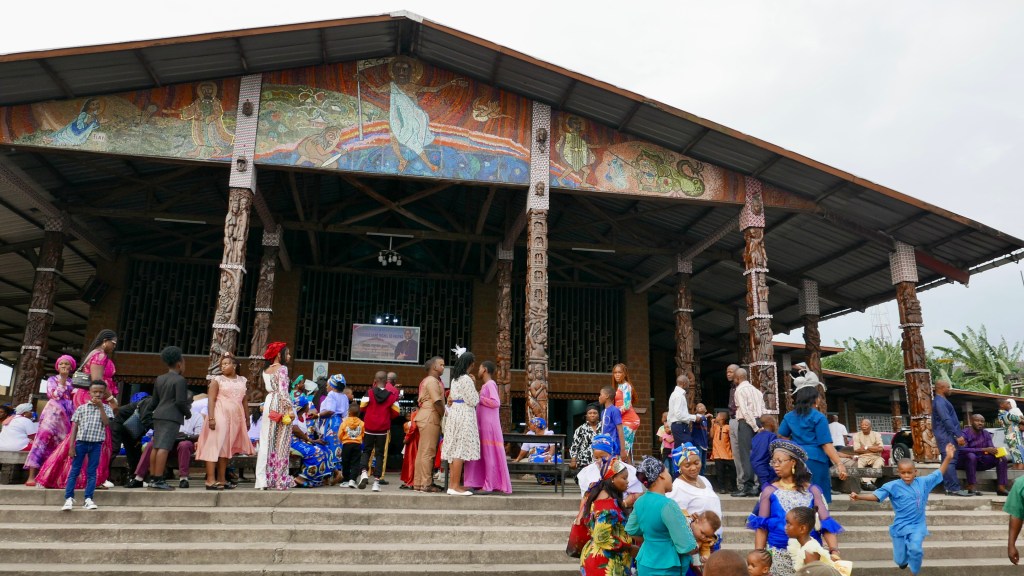
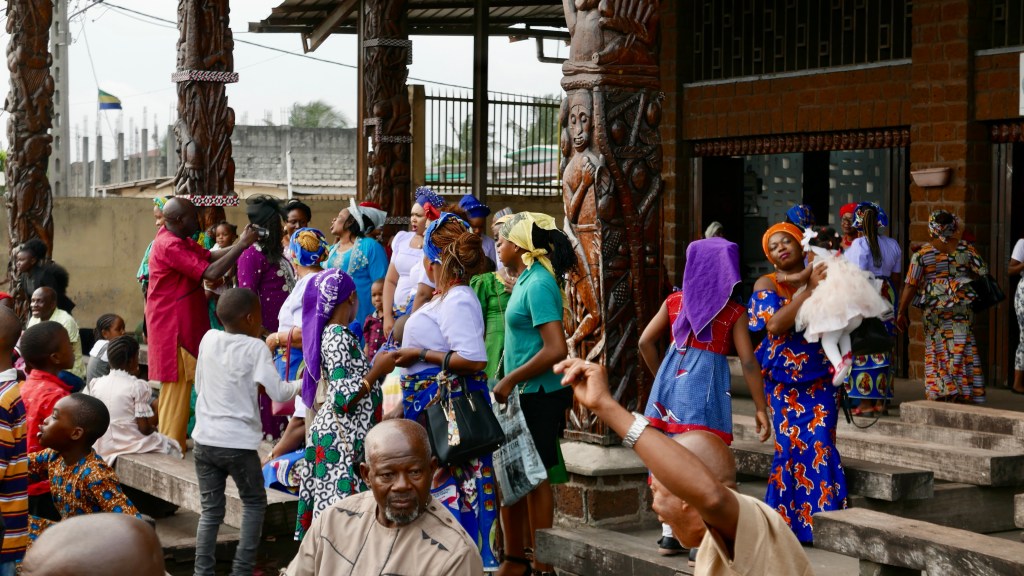
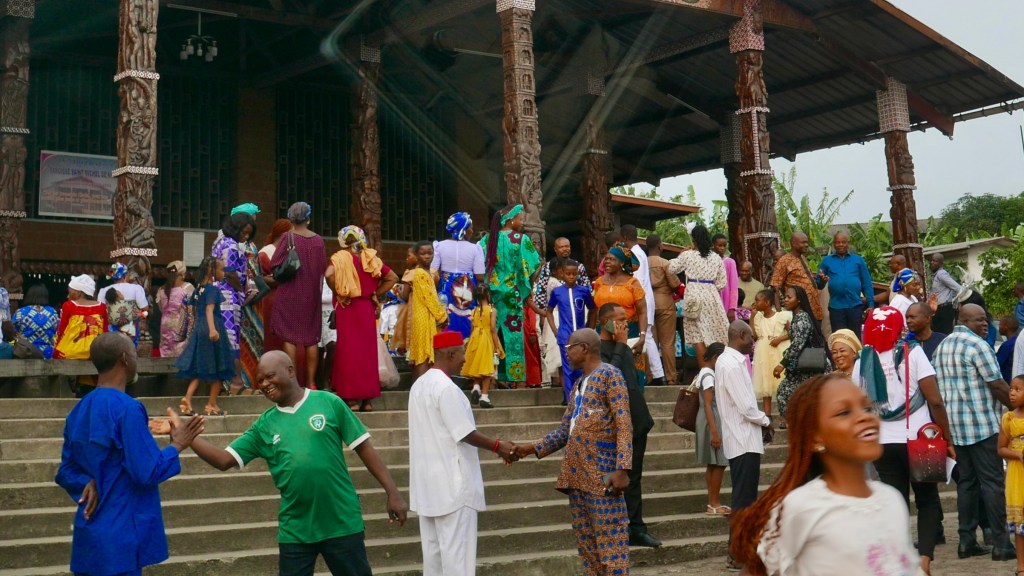
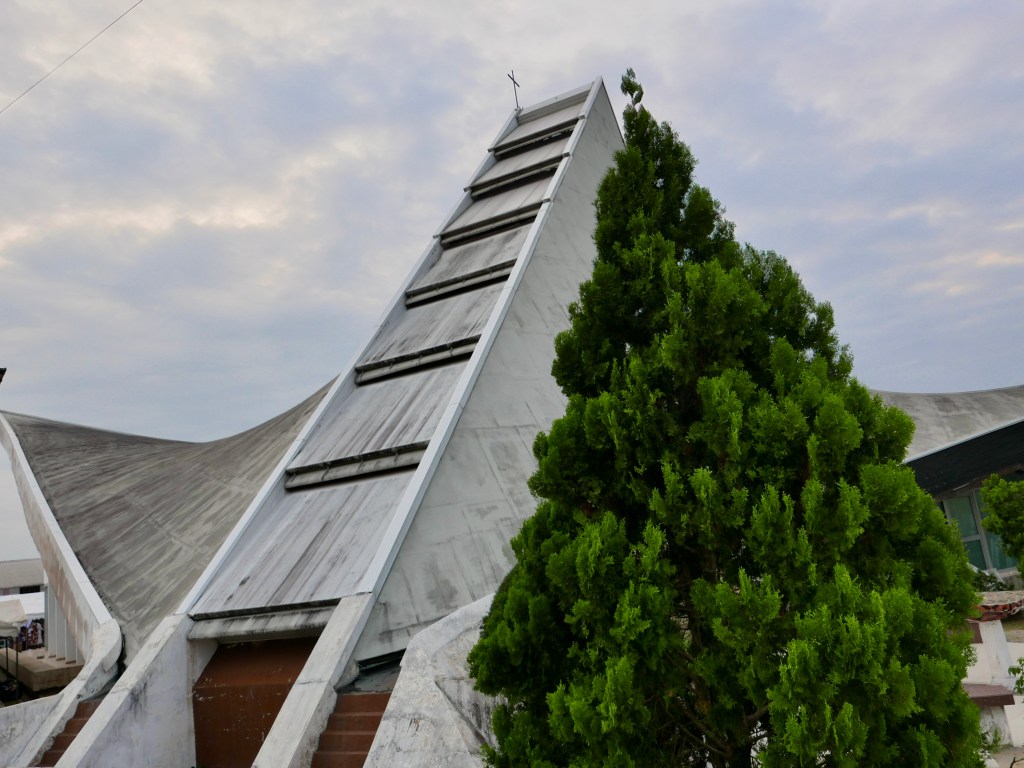
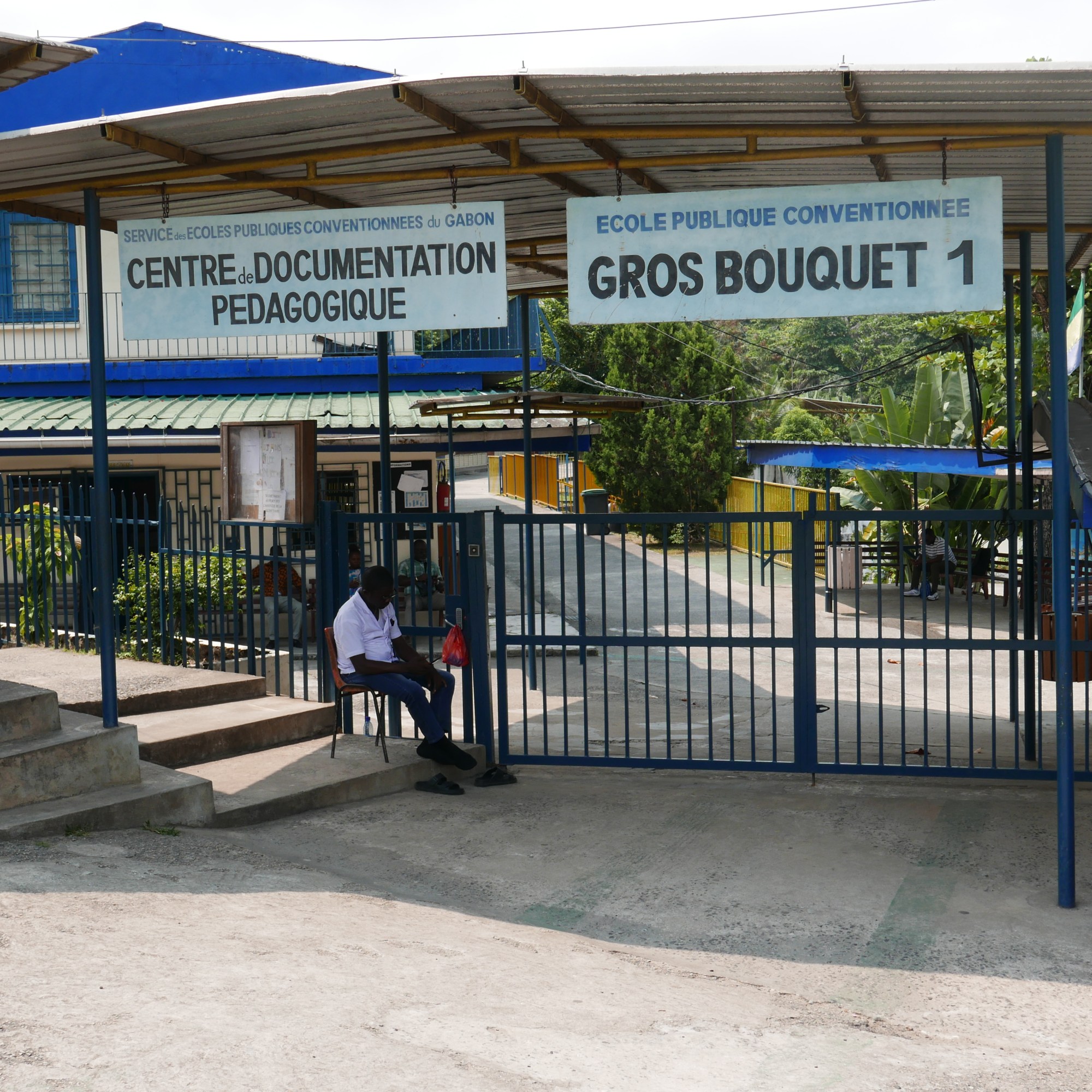
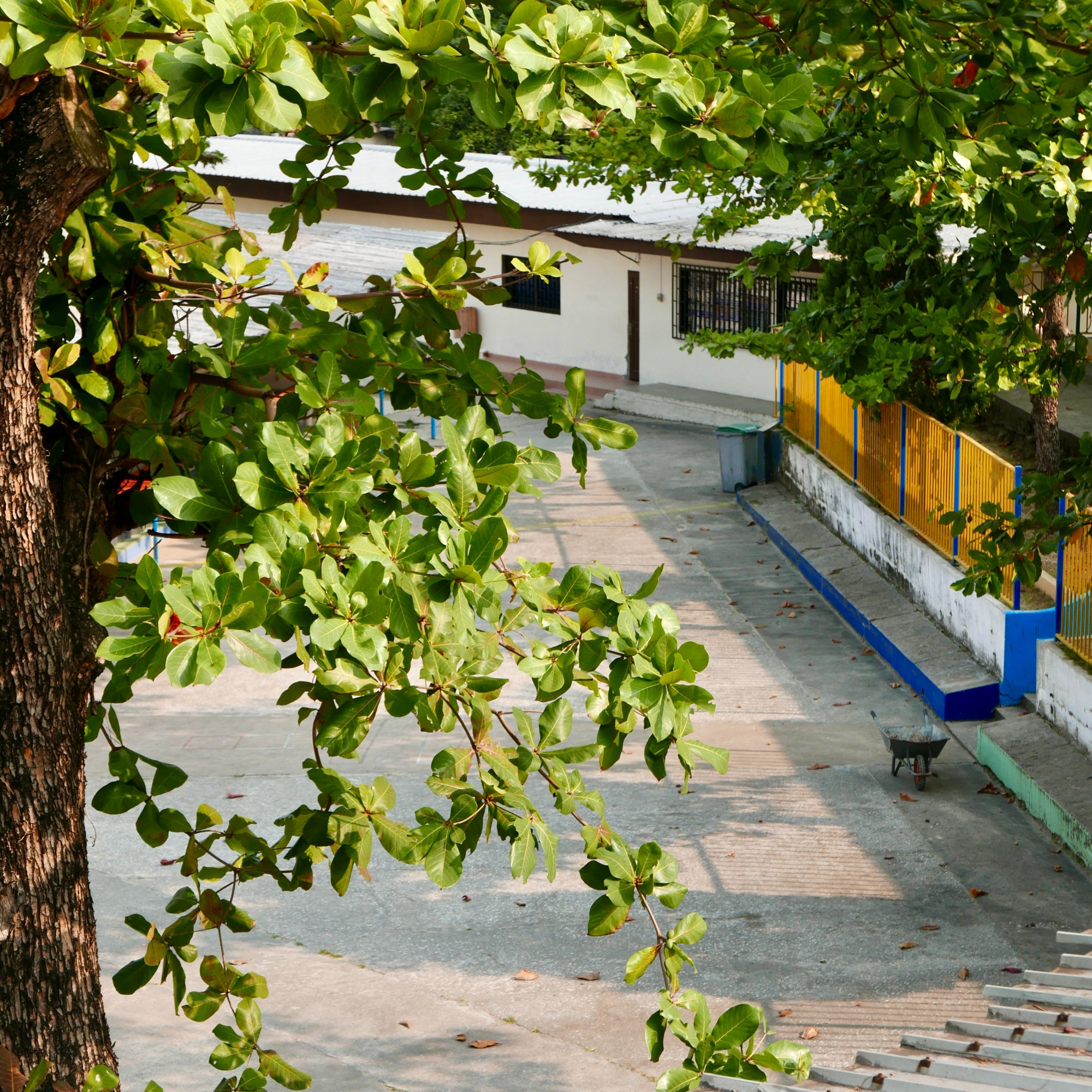
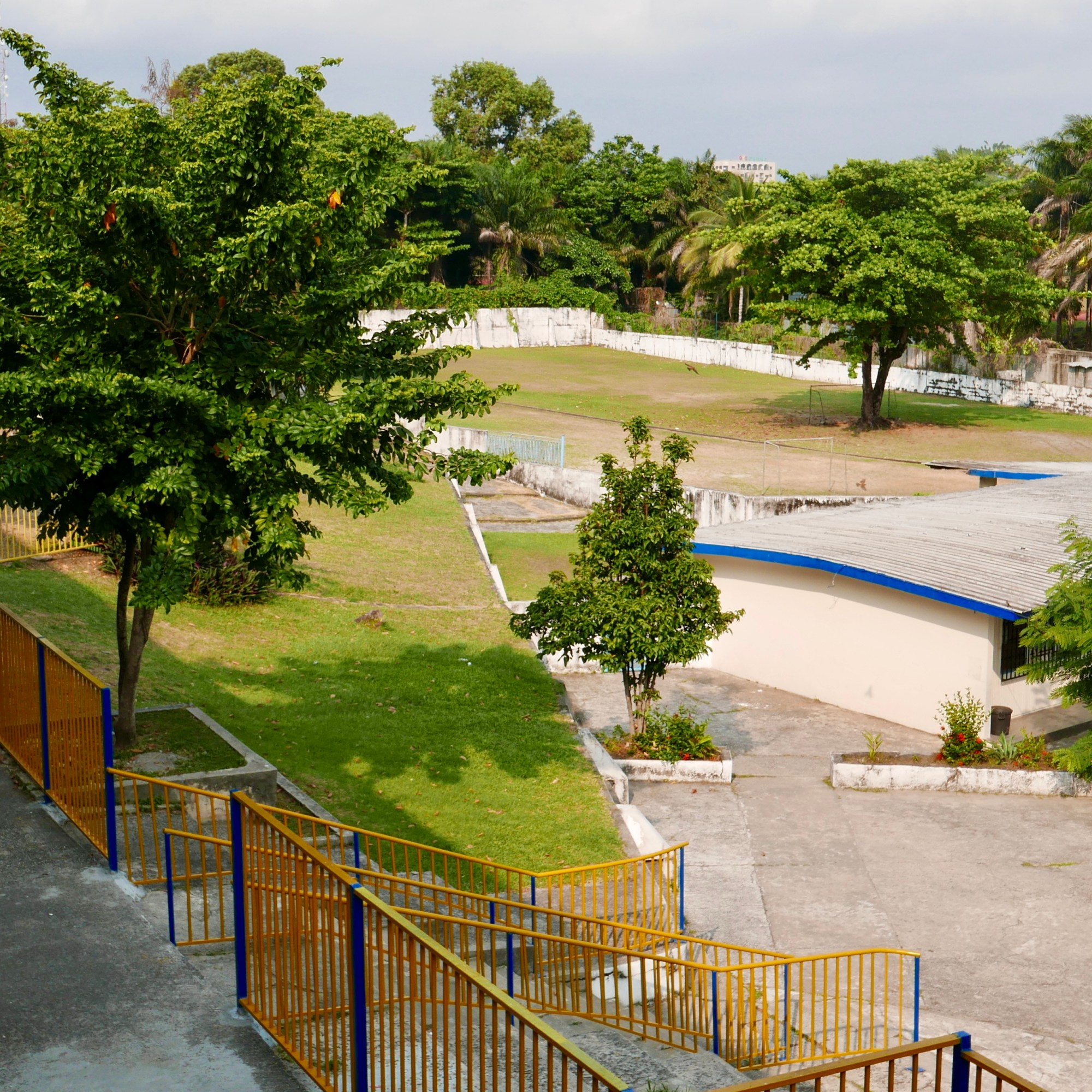
We were lucky to live in quiet Batterie IV, a green district full of schools – Gros Bouquet 1, the one where I was teaching was a 5-min walks from home and is the most beautiful workplace I may ever have, it felt like being in a tropical garden most of the time.
Any day of the week, Tropicana is the best spot to unwind with friends and a drink, have a fresh fish meal, or play pétanque on the Henri Salvador boulodrome. This place is so close to perfection that it seems like it has always existed and will exist forever.
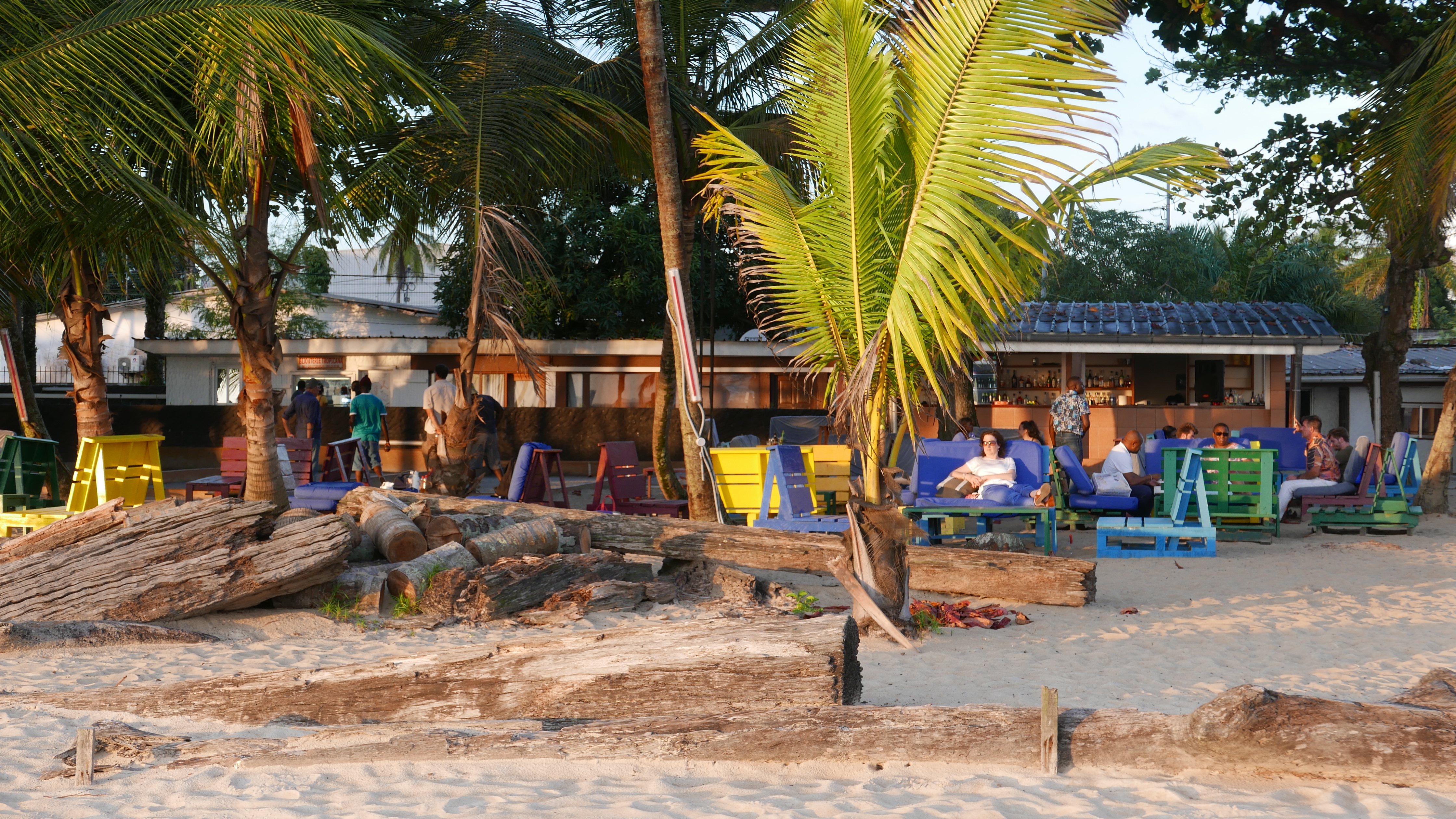
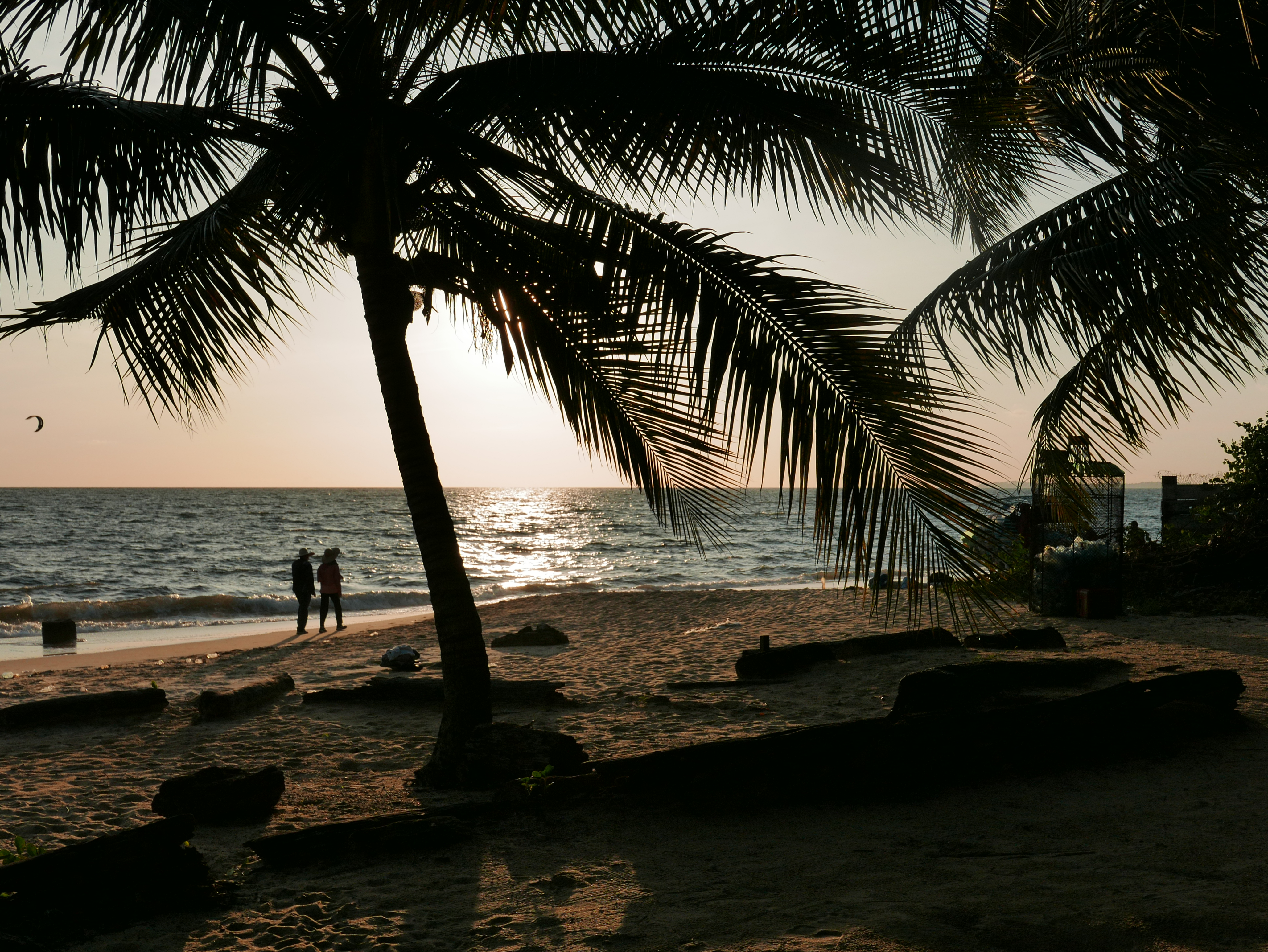
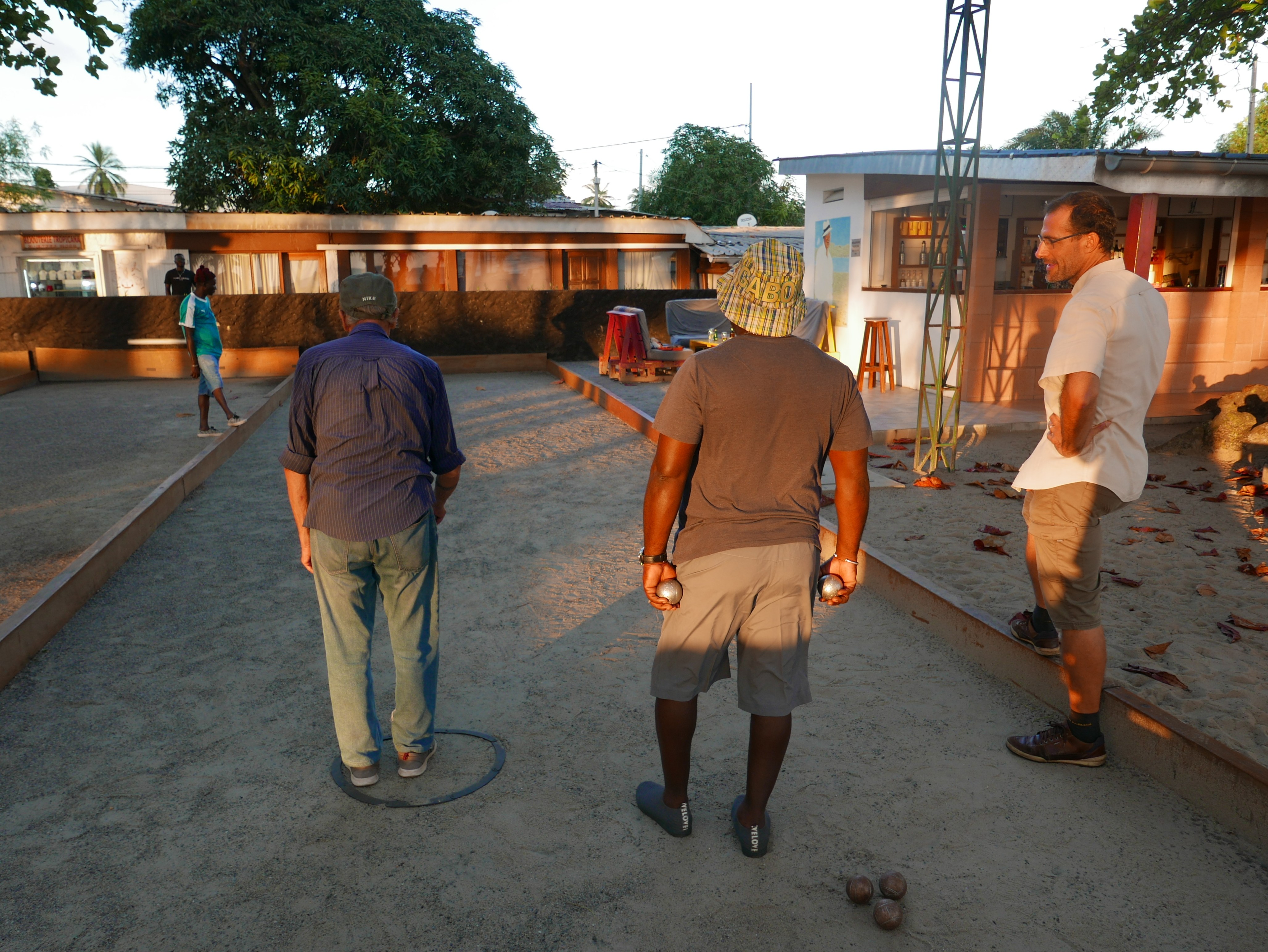
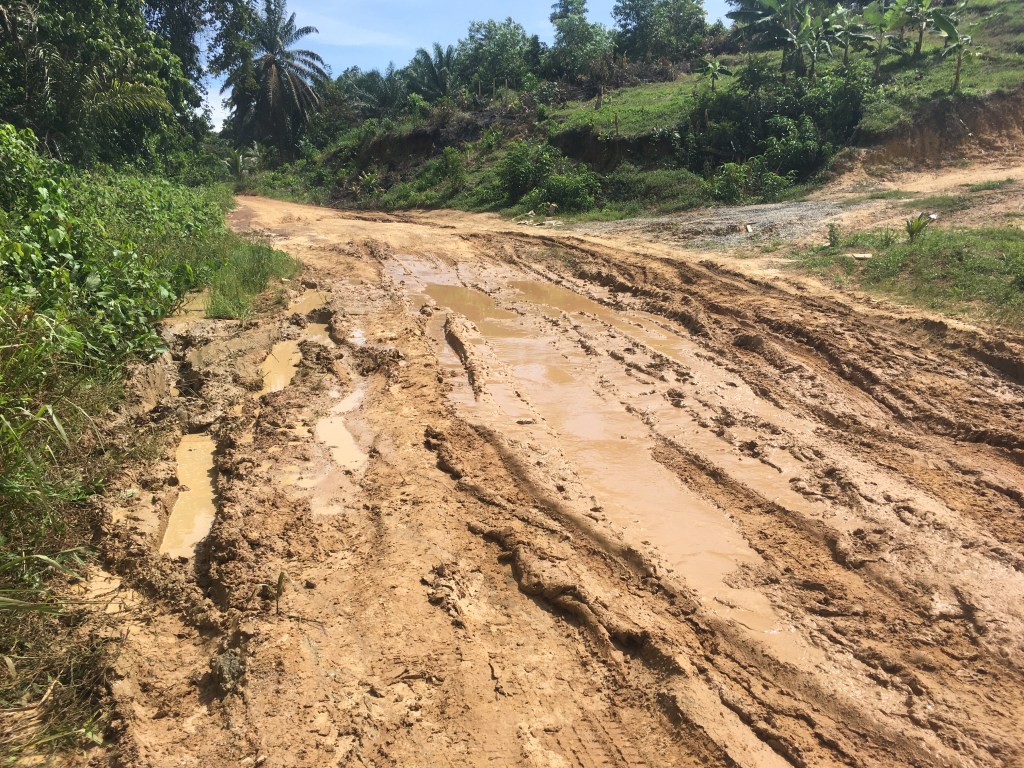
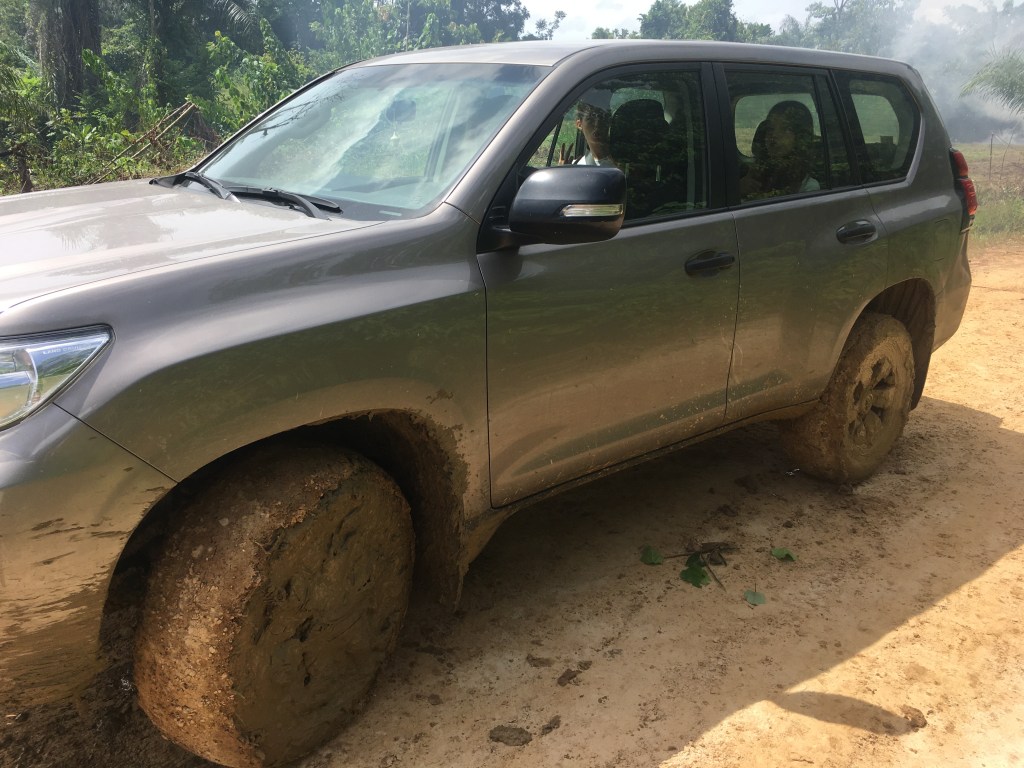
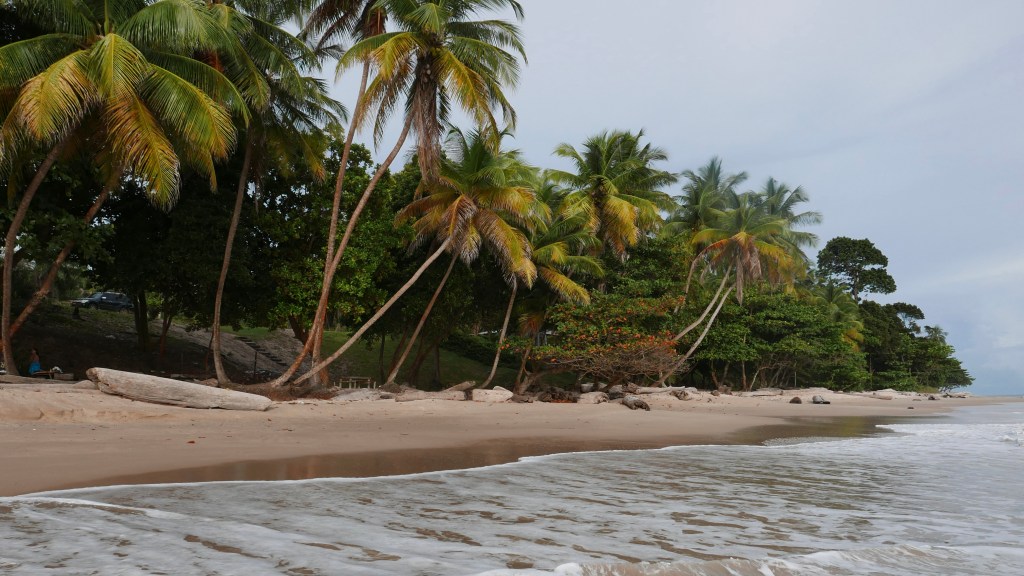
On the weekend, it takes a 20 km drive up North to go hiking in the arboretum or to Cap Santa Clara beach, though the road there can get very rough in the rainy season (and yes, last time we got stuck in the mud as you can see below).
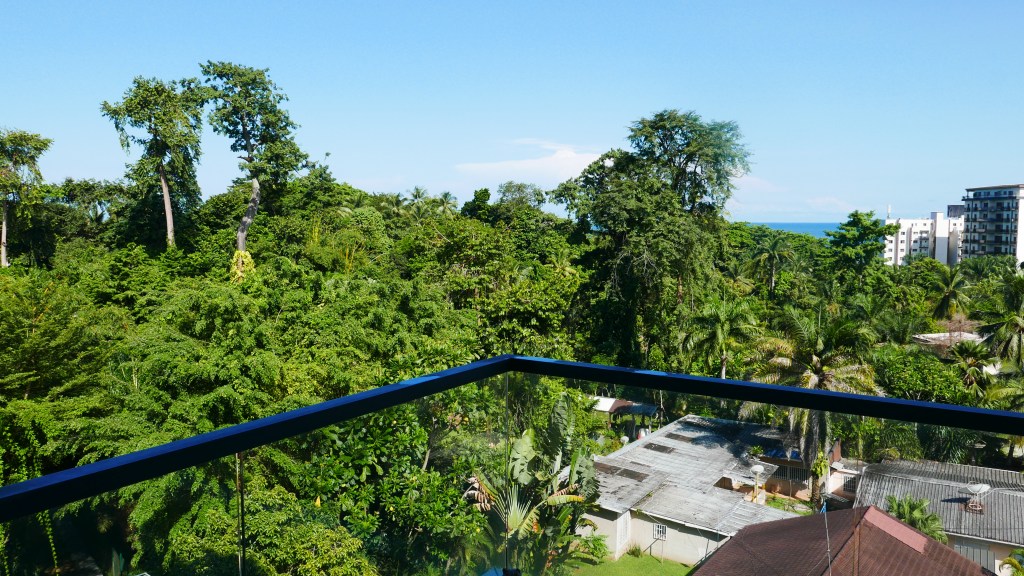
Nature is strong in Gabon, even asphalt cannot prevent plants and grass from growing, so even in the most urban sections of Libreville you will find patches of green. Some of these patches are bigger than others, and the one below may be the biggest little forest in the city. It lies just beyond our balcony and hosts bats, grey parrots, kingfishers and dozens of multicoloured birds species, frogs, and an entire orchestra of insects that starts playing everyday at dusk. This view may well have lasted us a lifetime.
 Tanad stories from Gabon